


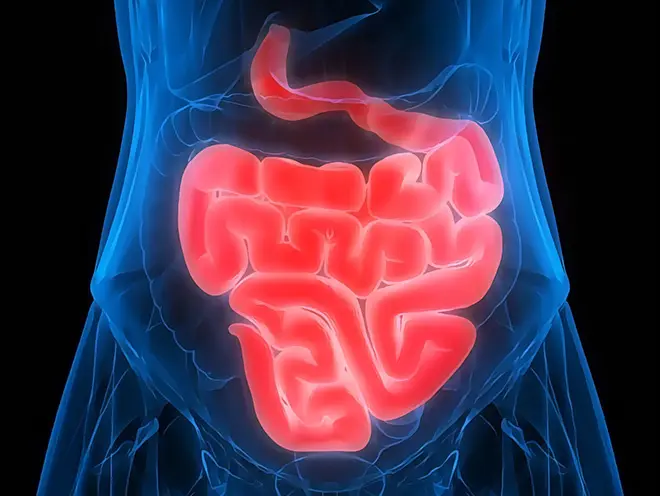
Duodenal cancer is a rare type of cancer that develops in the duodenum, which is the first part of the small intestine located between the stomach and the jejunum. In some cases, the cancer may begin in the duodenum itself, while in others it may spread from nearby organs such as the stomach, pancreas, or bile duct.
Because this cancer is uncommon and early symptoms are often vague, many patients are diagnosed only after the disease has progressed. However, with early detection and appropriate treatment, patients may achieve better outcomes and improved quality of life.
Types of Duodenal Cancer
There are several types of duodenal cancer, including:
- Duodenal Adenocarcinoma
The most common type, which starts in the lining of the duodenum. - Duodenal Carcinoid Tumor
A tumor that develops from hormone-producing cells in the intestine. - Duodenal Leiomyosarcoma
A rare cancer arising from the muscle layer of the intestinal wall. - Malignant Lymphoma of the Duodenum
A cancer that begins in the lymphatic tissues within the duodenum.
Causes and Risk Factors
The exact cause of duodenal cancer is still not fully understood. However, several factors may increase the risk, including:
- Family history of gastrointestinal cancers
- Familial adenomatous polyposis (FAP)
- Villous adenoma or benign intestinal tumors
- Chronic duodenal ulcers
- Genetic conditions such as Lynch syndrome
- Long-term digestive tract inflammation
- Smoking and unhealthy dietary habits
Duodenal cancer is more commonly diagnosed in people between 50 and 70 years old and tends to affect men slightly more often than women.
Symptoms of Duodenal Cancer
Early-stage duodenal cancer may not cause noticeable symptoms. As the disease progresses, patients may experience:
- Persistent upper abdominal pain or discomfort
- Nausea and vomiting
- Loss of appetite
- Unexplained weight loss
- Fatigue and anemia
- Black stools or gastrointestinal bleeding
- Jaundice (yellowing of the skin and eyes)
- Abdominal bloating
- A palpable abdominal mass in advanced cases
Because these symptoms can resemble common digestive disorders, medical evaluation is important if symptoms persist.
How Duodenal Cancer Is Diagnosed
Doctors may use several tests to diagnose duodenal cancer and determine the stage of the disease, including:
- Endoscopy
- Biopsy
- CT scan
- Ultrasound
- Endoscopic retrograde cholangiopancreatography (ERCP)
- Contrast imaging studies
- Blood tests
These examinations help doctors evaluate the size of the tumor, possible spread to nearby organs, and the most suitable treatment approach.
Treatment Options for Duodenal Cancer
Treatment depends on the cancer stage, tumor size, overall health condition, and whether the cancer has spread. Common treatment methods include:
Surgery
Surgery may be recommended to remove the tumor and affected tissues, especially in early-stage disease.
Chemotherapy
Chemotherapy uses anti-cancer drugs to destroy cancer cells or slow tumor growth.
Radiation Therapy
Radiation therapy may help control tumor growth and relieve symptoms in certain patients.
Minimally Invasive Treatments
Minimally invasive therapies may help target tumors with less trauma, shorter recovery time, and fewer side effects compared to traditional surgery.
Lifestyle and Daily Care
Patients with duodenal cancer are encouraged to maintain healthy daily habits, including:
- Eating balanced and nutritious meals
- Avoiding smoking and alcohol
- Reducing spicy and irritating foods
- Staying hydrated
- Following medical advice consistently
- Attending regular follow-up examinations
Importance of Early Detection
Although duodenal cancer is rare, early diagnosis can significantly improve treatment effectiveness and long-term outcomes. Persistent digestive symptoms should never be ignored, especially in individuals with risk factors or family history of gastrointestinal disease.