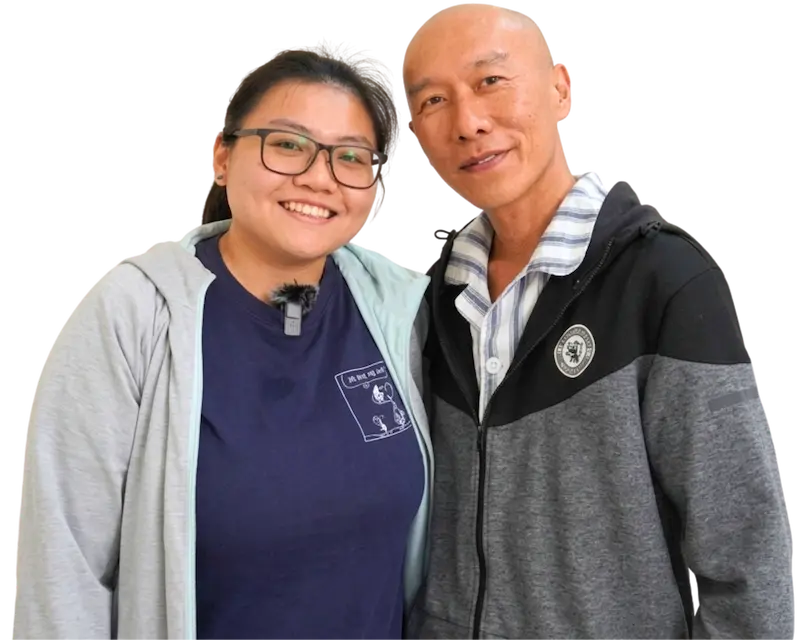


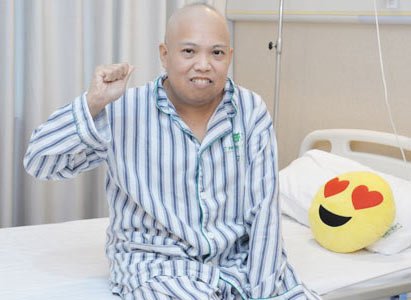
It started with a small bump on my tongue in August 2015. I went to the hospital for a biopsy, and the results came back fine — so I didn’t think much of it. But by December, the pain had grown impossible to ignore. My eating was affected, and something felt deeply wrong. I went back for another biopsy, and this time the diagnosis was clear: tongue cancer, already at stage III.
The New Year was coming, and foolishly, I delayed treatment. I told myself I’d deal with it after the holidays. But the cancer didn’t wait. The ulcers spread, the pain intensified, and I began losing weight rapidly. Sleeping became difficult. Speaking felt like a chore. Even eating — something I had always loved — turned into an ordeal.
By March 2016, the bump had grown large enough that my doctors started me on radiotherapy and chemotherapy in Malaysia. I lost my hair. I lost my sense of taste. The tumor shrank, but then came the news I had been dreading: surgery was recommended to completely remove the tumor. That meant cutting away half of my tongue.
I refused. I couldn’t accept a life where I could barely speak or eat. I am a foodie — food is one of my greatest joys. The thought of losing that was unbearable.
I kept searching for another way. In July 2016, I arrived at Modern Cancer Hospital Guangzhou (MCHG). After thorough blood tests and CT scans, the multidisciplinary team designed a treatment plan for me: radical treatment combined with interventional therapy and natural therapy.
Interventional therapy worked differently from anything I had experienced before. Rather than flooding my entire body with drugs, the doctors used medical imaging to pinpoint the exact location of the tumor, then injected anti-cancer medication directly into it. The drug concentration was far higher than standard intravenous methods, which meant the treatment hit the cancer hard while doing far less damage to the rest of my body. The incision was just one to two millimeters — barely anything.
After my first session, the numbness and swelling were gone. There was a setback midway — I developed a fever that lasted nearly two weeks, caused by a venous port I had received at a previous hospital. Once the doctors identified the problem and removed the port, the fever disappeared.
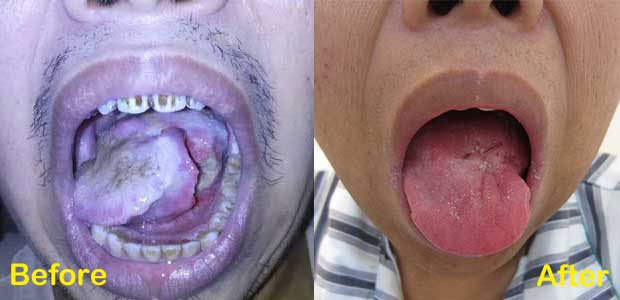
After two sessions each of interventional therapy and natural therapy, the ulcers on my tongue were gone. The tumor had disappeared. My tongue was intact — functioning normally, just as it always had.
I can speak. I can eat. I can taste my food again.
I am grateful every single day that I did not give up and did not give in to that surgery. Minimally invasive treatment gave me back not just my life, but the simple pleasure of enjoying a good meal.