

Combination Therapy of Traditional Chinese Medicine and Western Medicine
Applicable conditions: Liver cancer, lung cancer, breast cancer, colon cancer, cervical cancer, nasopharyngeal cancer, prostate cancer, stomach cancer, and other solid tumors.
Key benefits: Strengthens the immune system, restores energy levels and supports blood circulation, while directly destroying cancer cells.
What Is the Combination of TCM and Western Medicine Therapy?
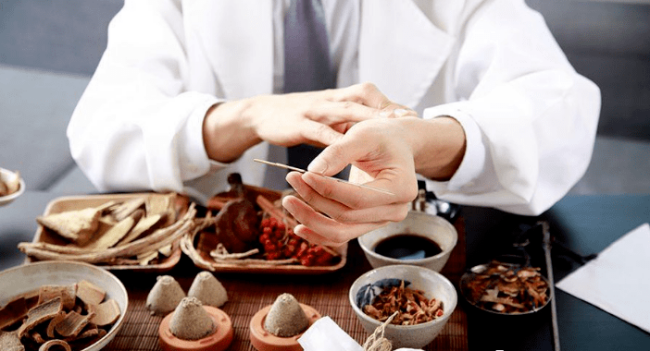
At St. Stamford Modern Cancer Hospital Guangzhou, oncologists integrate Traditional Chinese Medicine (TCM) with Western medical approaches, drawing on the strengths of both systems within a single therapeutic framework. This integrated model is designed to boost treatment outcomes while limiting unwanted side effects. Central to this approach is minimally invasive, targeted intervention that addresses the underlying biological drivers of the disease rather than only its symptoms, which the hospital considers key to achieving stronger clinical results.
Why Combined Therapy Can Outperform Single-Method Treatment
By pairing TCM with minimally invasive targeted procedures, the hospital’s oncology team aims to make each approach reinforce the other, producing a combined effect that surpasses what either method could achieve on its own. The targeted, minimally invasive component works to consistently and precisely damage or destroy tumor tissue while sparing surrounding healthy structures as much as possible. Alongside this, TCM is used to restore systemic balance, strengthen the body’s natural defenses, and support overall physical resilience. Together, this dual approach is intended to make tumor treatment both more effective and more tolerable for patients.
How the Combination Therapy Is Administered
Targeted Delivery of TCM Formulations
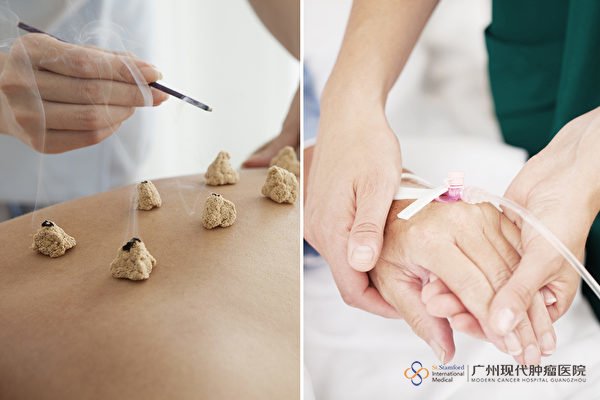
- Intra-arterial infusion: TCM preparations are delivered directly into the tumor site through catheter-based arterial access, allowing a rapid localized anti-cancer effect.
- Aerosol inhalation: TCM administered as an inhaled aerosol provides a direct therapeutic action on tumors affecting the respiratory system.
- Warmed rectal instillation: A heated TCM preparation is introduced rectally, where it is absorbed through the rectal mucosa; this route is used primarily for patients with intestinal tumors.
- Acupoint injection: Anti-cancer TCM compounds are injected at specific acupoints, allowing the medicine to circulate through the body’s meridian channels. This technique is applied to help rebalance the patient’s Yin and Yang.
Systemic Support Through Herbal Formulations
- Patent Chinese herbal medicines are used to support blood cell production and help reduce the side effects associated with chemotherapy and radiotherapy.
- Injectable herbal formulations are used to help control tumor growth and strengthen immune function.
- External applications, including medicinal foot baths and topical liniments, are also incorporated into treatment.
Advantages of the Combined TCM and Western Medicine Approach
- When used before surgery, radiotherapy, or chemotherapy, this therapy can help strengthen a patient’s immune response and physical condition ahead of these procedures, while also supporting Qi and blood levels to reduce complications and aid post-treatment recovery.
- The therapy can act directly on tumor cells, slowing or halting their proliferation cycle and interfering with their growth, metabolism, and reproduction.
- It may enhance the effectiveness of radiotherapy and chemotherapy while reducing their associated side effects, by helping manage chemotherapy-related toxicity and easing radiotherapy-induced inflammation.
- The approach can help prevent secondary tumors by targeting and suppressing residual lesions that may remain after surgery, radiotherapy, or chemotherapy, limiting the potential for uncontrolled cell regrowth.
- For patients who are not candidates for surgery, radiotherapy, or chemotherapy, as well as those with advanced-stage disease, this therapy can help control tumor progression and extend survival. According to the hospital, some such patients have lived with their tumors for over five to ten years with a quality of life comparable to that of the general population.