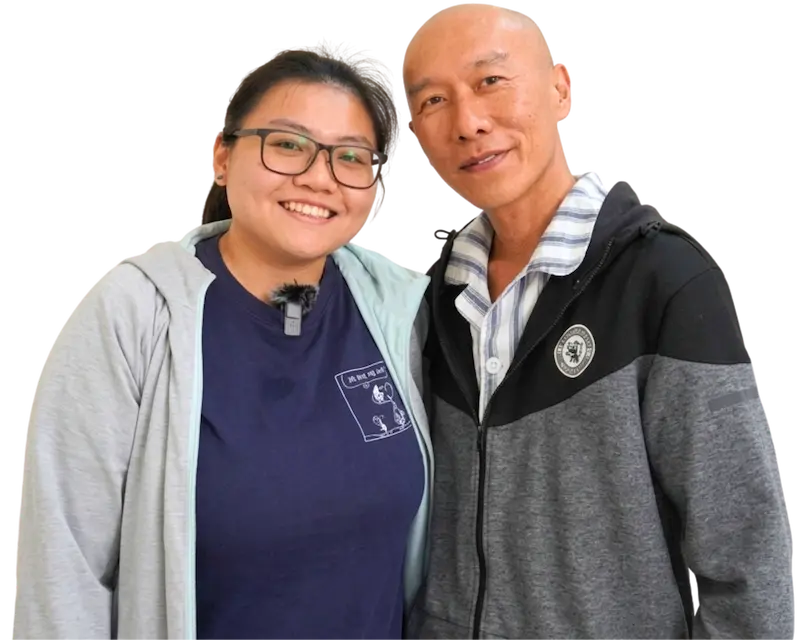


From Stage II Breast Cancer to Complete Recovery
A Turning Point
My name is Indahwati Iwan, and I come from Surabaya, Indonesia. Since 2011, I have been living as a cancer survivor, and now in 2023, I proudly share that I have successfully overcome this illness for more than a decade. The path from initial shock and despair following my diagnosis to becoming recognized as an anti-cancer ambassador has taught me invaluable lessons. I have learned that early detection, timely intervention, selecting the appropriate treatment approach, and maintaining emotional resilience are fundamental to winning the battle against cancer.
In November 2011, while attending the Canton Fair in Guangzhou, I visited a hospital for a routine check-up due to recurring stomach discomfort. During this examination, doctors discovered a lesion measuring approximately 1.5 centimeters in my right breast. The subsequent diagnostic tests confirmed what many fear to hear: stage II invasive ductal carcinoma. Initially, the weight of this diagnosis pressed heavily upon me, and I experienced feelings of uncertainty and apprehension.
However, after carefully considering my options, I decided to proceed with the comprehensive treatment strategy recommended by the multidisciplinary team at St. Stamford Modern Cancer Hospital Guangzhou. The physicians and medical interpreters took considerable time explaining each aspect of the treatment process, ensuring I fully understood what lay ahead. Their thorough explanations and compassionate approach provided me with confidence in my decision.
The Treatment Journey: Minimally Invasive Approach
On November 9, 2011, I underwent breast-conserving surgical intervention. This was followed by a series of four interventional therapy sessions to enhance the effectiveness of the initial procedure. Throughout this period, I was pleasantly surprised to find that I experienced minimal adverse reactions. Unlike many cancer patients, I did not suffer from debilitating weakness, nausea, or hair loss—complications that often accompany conventional cancer treatments.
My daily life remained relatively normal. I maintained my regular eating and sleeping patterns, and the actual treatment sessions were completed quickly. Beyond the medical care itself, the hospital created an environment that supported both my physical recovery and emotional well-being. The facility organized regular activities for patients, including birthday celebrations and cultural events that connected patients from different backgrounds.
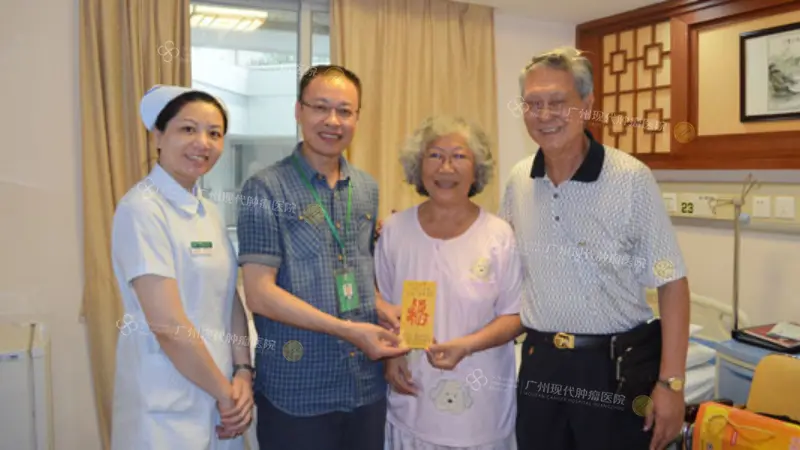
In addition to the core medical treatments, the hospital provided comprehensive support services for patients and their accompanying family members. These services ensured that our hospital stays were free from the boredom and anxiety that often accompany extended medical treatment. Such personalized attention and service quality distinguished this facility from other institutions I had encountered.
The Moment of Victory: Return to Health
Three months following the completion of my treatment protocol, my final pre-discharge examination delivered news that transformed my life. The medical imaging revealed no abnormal growth patterns at the site of the original tumor, nor were there any concerning lesions elsewhere in my body. Upon hearing these results, my family and I were overwhelmed with joy. The burden I had carried since my diagnosis seemed to lift instantaneously.
The medical staff—physicians, nursing personnel, and interpreters—celebrated this milestone with me as I prepared for discharge. Following my release from the hospital, my husband arranged for us to travel to locations I had always dreamed of visiting. To my delight, no one observing me would have known that I had recently battled a serious illness. I felt genuinely alive once again, and I remain deeply grateful to St. Stamford Modern Cancer Hospital Guangzhou for restoring not merely my health, but my joy in living.
Return Visits: Monitoring and Celebration
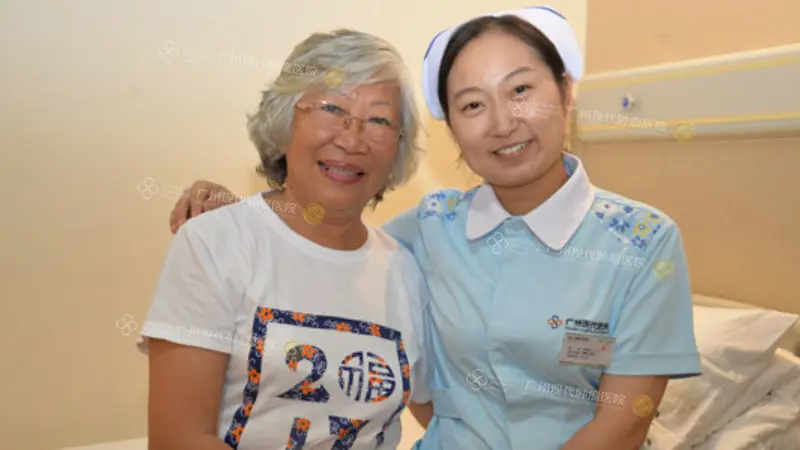
In 2014, I returned to the hospital for follow-up evaluation and to strengthen my immune system. The warmth with which the medical team welcomed me felt like reuniting with family members. The examination results were reassuring: no signs of cancer recurrence and all medical indicators within normal ranges.
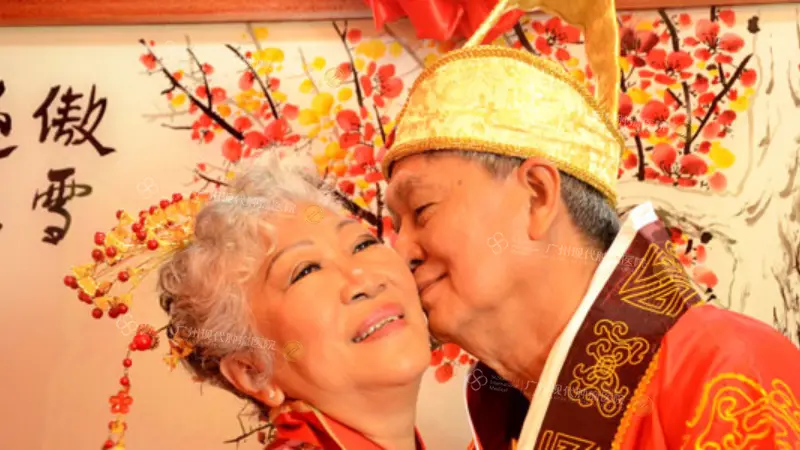
During this particular visit, I learned that the hospital staff had learned of an important milestone—that year marked the fiftieth anniversary of my marriage. To my profound surprise and emotion, the hospital arranged a traditional Chinese golden wedding ceremony to commemorate this occasion. My husband, who had supported me throughout the entire cancer battle, was equally moved by this gesture. In reflecting upon our journey together, I recognized how fortunate I am to have his unwavering presence not only in daily life but specifically during my most challenging period.
A Second Home: Ongoing Care and Connection
In August 2017, my husband accompanied me for another follow-up examination. Since beginning my treatment in 2011, my tumor has remained absent, and my overall health has flourished. With each subsequent visit to the hospital for monitoring, I experience the same sense of comfort and belonging as I would returning to my own home. I often reflect on how fortunate I am to have discovered a medical institution that not only provided effective treatment but also became a vital part of my support system.
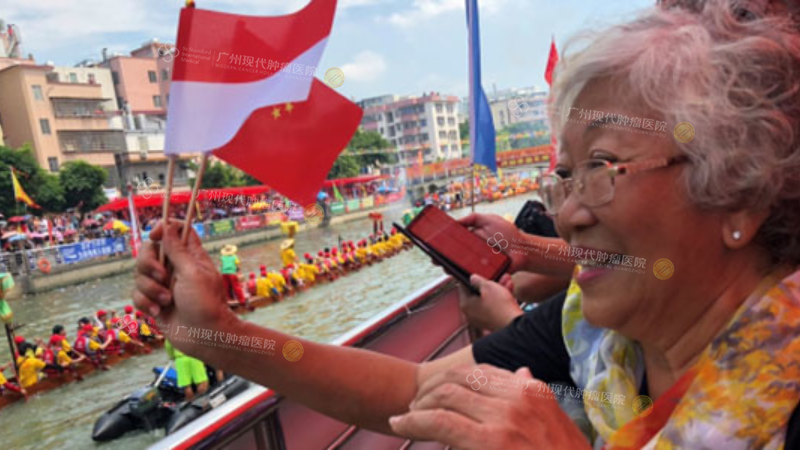
By June 2018—just over six years after my diagnosis—my condition remained completely stable, with no evidence of recurrence. That summer, my husband and I attended the Dragon Boat Festival celebration hosted by the hospital. Alongside cancer patients who had traveled from Malaysia, the Philippines, Indonesia, Vietnam, Thailand, and neighboring countries, we participated in festive activities, watched the dragon boat races, and enjoyed traditional festival foods. These shared experiences created bonds of understanding and mutual encouragement among patients from diverse backgrounds, united by our common journey toward recovery.
Becoming an Ambassador: Twelve Years and Counting
In September 2023, after a four-year interval, my family and I returned to the hospital for continued monitoring and immunity enhancement. The reception we received was as enthusiastic as ever. The reunion after so many years of absence was deeply emotional—the medical professionals embraced us with genuine joy and affection.
Following my discharge from St. Stamford Modern Cancer Hospital Guangzhou in 2012, I became determined to share my experience with others. I actively participated in various anti-cancer awareness and support activities, hoping to inspire other cancer patients to pursue aggressive, high-quality treatment with confidence and maintain positive outlooks throughout their recovery processes. Many family members and friends have accompanied me to seek treatment at this facility, and each has reported experiences parallel to my own—finding that the compassionate treatment environment played a significant role in their physical and emotional recovery.
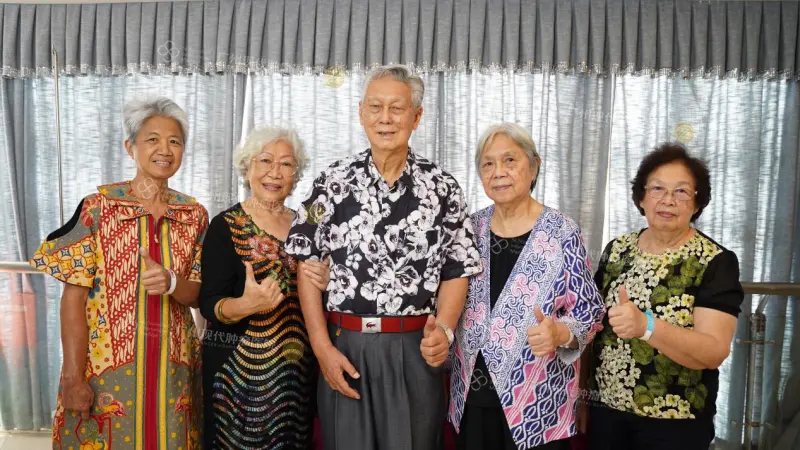
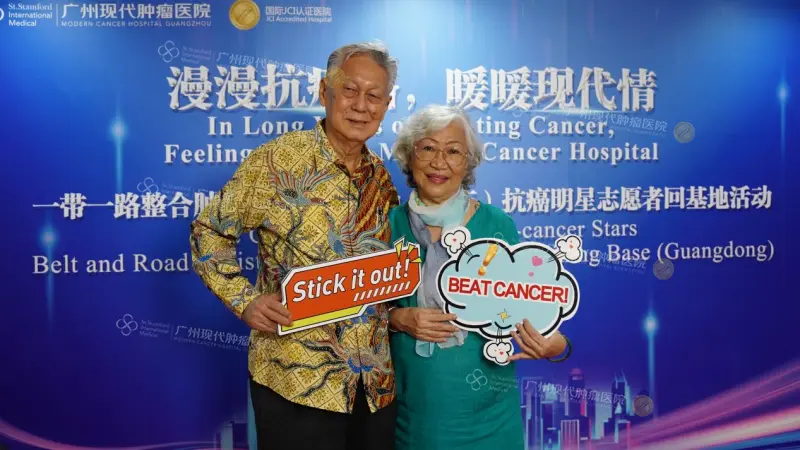
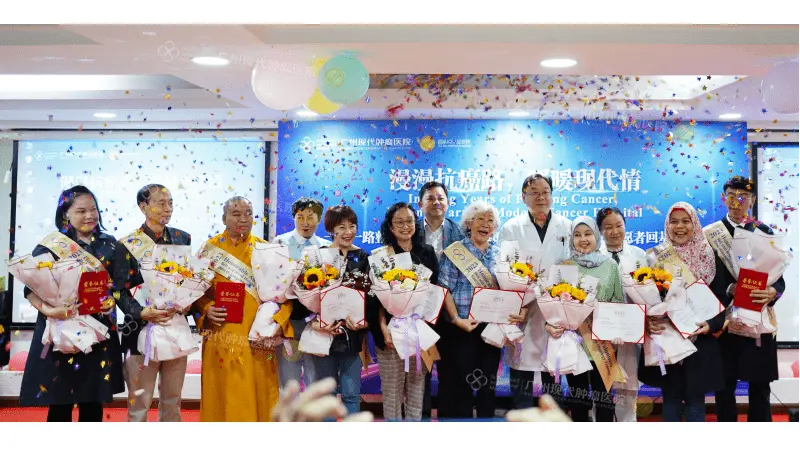
In November 2023, twelve years after my initial diagnosis, I returned to St. Stamford Modern Cancer Hospital Guangzhou as an officially recognized anti-cancer star. This return visit commemorated the “Celebrating Warmth in Modern Cancer Hospital” anti-cancer survivors’ homecoming event. From the moment of arrival—greeted by hospital staff holding flowers in welcome—I felt the same sense of caring and connection that had defined my original treatment experience.
On November 15, 2023, I participated alongside eight other anti-cancer survivors representing Indonesia, Malaysia, Thailand, Vietnam, and other nations. During this gathering, each survivor shared their personal experiences and reflections from their anti-cancer journeys. Their resilience, determination, and positive spirits deeply moved me and reinforced my conviction that the human capacity for recovery is remarkable.
A Message of Hope
To anyone currently navigating a cancer diagnosis, I urge you not to surrender to fear. Maintain a steadfast positive outlook. Share your concerns and emotions openly with family and loved ones, and allow them to support you through this challenging time. When cancer is discovered early, diagnosed accurately, and treated by qualified specialists using evidence-based approaches, recovery is achievable. My twelve-year survival story serves as testimony to this fundamental truth.
Understanding Interventional Therapy
Interventional therapy represents an important advancement in minimally invasive cancer treatment. Using precision guidance from medical imaging technology, physicians employ specialized instruments to deliver concentrated anti-tumor medications directly into the cancerous tissue. The drug concentration achieved through this direct delivery method is two to eight times higher than what can be achieved through intravenous administration. Simultaneously, the procedure blocks the blood vessel supply feeding the tumor, allowing the malignant tissue to shrink or disappear entirely.
Key advantages of interventional therapy include:
- Minimal trauma to surrounding healthy tissue
- Reduced rate of complications compared to conventional therapies
- Strong safety profile with rapid patient recovery
- Suitability for patients who have not responded adequately to traditional radiation or chemotherapy
- Effective option for patients unwilling or medically unsuitable for surgical intervention