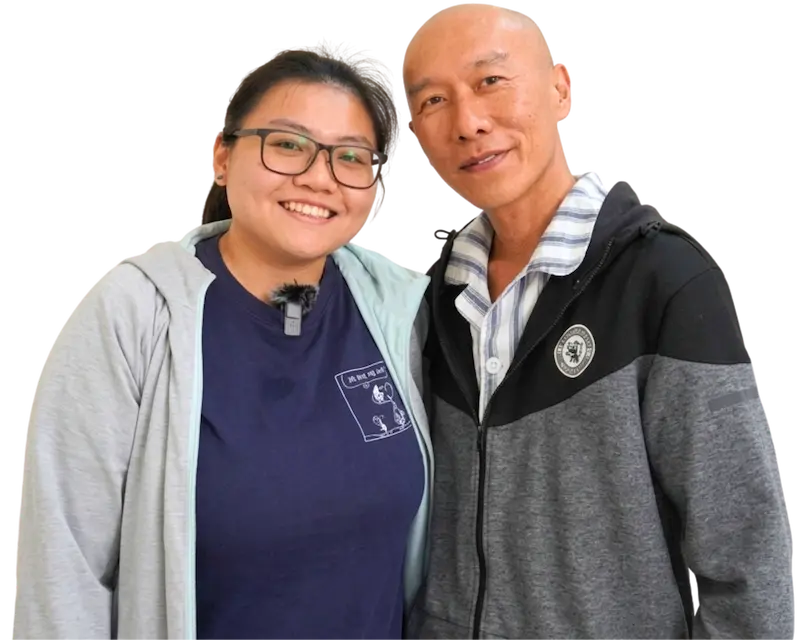


Dedi Irwan Sugianto: Beating Hodgkin’s Lymphoma with Interventional Therapy
A Family Man’s Life Turned Upside Down
Dedi Irwan Sugianto lives in Surabaya, Indonesia, together with his wife and three children. Their household was a happy one until early 2012, when a change in Dedi’s neck brought sudden worry into the family’s life.
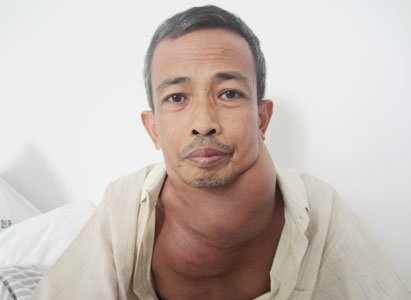
Dedi recalled that in March 2012 he noticed several painless lumps, roughly the size of dates, forming at the front of his neck. Alongside this, he experienced a recurring fever every afternoon that would subside on its own without treatment. Because these symptoms did not seem to interfere much with his daily routine, he chose not to worry about them at first.
That changed by July 2012, when the swelling continued to grow larger. Sensing that something was seriously wrong, Dedi finally sought medical attention at a hospital near his home. The examination results confirmed his fears: he was diagnosed with Hodgkin’s lymphoma.
Turning Away from Chemotherapy and Searching for Alternatives
The local physicians recommended chemotherapy as the standard course of action. However, Dedi was reluctant to proceed, concerned about the harsh side effects commonly associated with this treatment. Instead, he turned to herbal remedies taken orally, hoping for a gentler solution.
Unfortunately, rather than helping, this approach appeared to backfire — the swelling in his neck grew even more rapidly. Realizing that time was not on their side, Dedi and his family began looking into other treatment options that could offer a better balance between effectiveness and quality of life.
Their search eventually led them to Modern Cancer Hospital Guangzhou, an institution known for using advanced minimally invasive techniques designed to cause less trauma, produce fewer side effects, and allow for a faster recovery. After weighing all of the available information, Dedi made the decision to pursue treatment there.
Arriving in Guangzhou: A Severe Diagnosis
Dedi first arrived at Modern Cancer Hospital Guangzhou in June 2013. By that point, the swelling in his neck had grown so severe that it had become larger than his own head, restricting his ability to turn or move it.
A thorough medical evaluation revealed a mass measuring approximately 25 by 15 centimeters on the left and anterior side of his neck. Based on these findings, doctors confirmed the diagnosis as stage IV Hodgkin’s lymphoma.
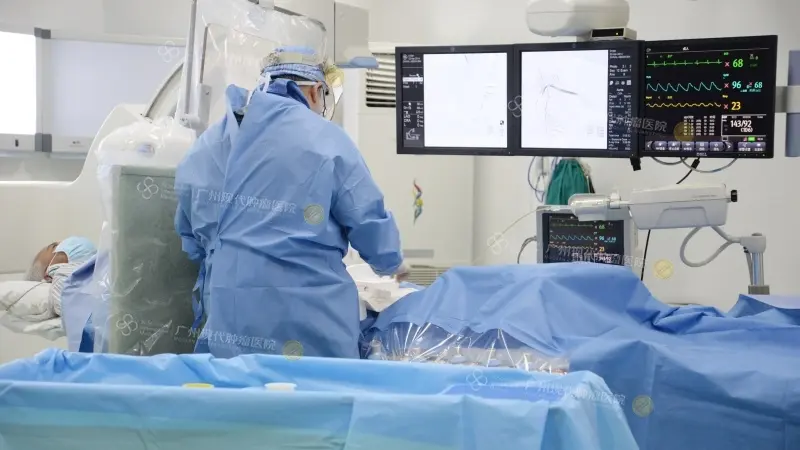
Following a full review of Dedi’s condition and diagnostic results, the hospital’s multidisciplinary team (MDT) developed an individualized treatment strategy centered primarily on interventional therapy.
How Interventional Therapy Works
Interventional therapy is carried out with the guidance of imaging technology such as CT scans and ultrasound. The procedure begins with a very small incision, typically only 1 to 2 millimeters, usually made in the groin area. Through this incision, doctors insert a slender, tube-like catheter into the artery.
- The catheter is guided through the artery until it reaches the site of the tumor
- Anti-cancer medication is released directly at the tumor location
- The artery supplying blood to the tumor is also blocked
- Deprived of its blood supply, the tumor is effectively starved
Recovery and a Return to Ordinary Life
Before starting treatment, Dedi admitted to feeling anxious and uncertain about what lay ahead. His concerns eased considerably once his doctors took the time to walk him through the process and reassure him about what to expect.
As the treatment progressed, the swelling in his neck gradually reduced in size until the tumor eventually disappeared altogether. This turning point brought Dedi a deep sense of relief, and he began to smile again, moving forward with genuine motivation into the consolidation phase of his treatment.
According to Dedi, he experienced very few noticeable side effects throughout the process. In fact, he reported sleeping well and maintaining a healthy appetite during his course of care.
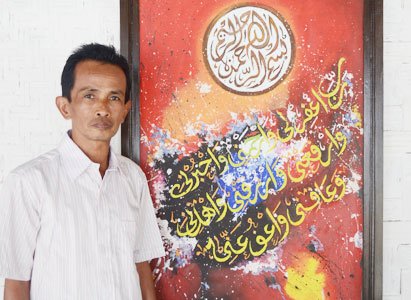
Three years on from his treatment, Dedi remains in stable condition, with both his personal life and work having returned to normal. In his free time, he has taken up drawing as a way to relax and unwind.
Reflecting on his experience, Dedi offered a message of encouragement to others facing a cancer diagnosis: regardless of the type of cancer involved, one should never give up too easily, and choosing the right treatment plan is an essential part of the journey forward.