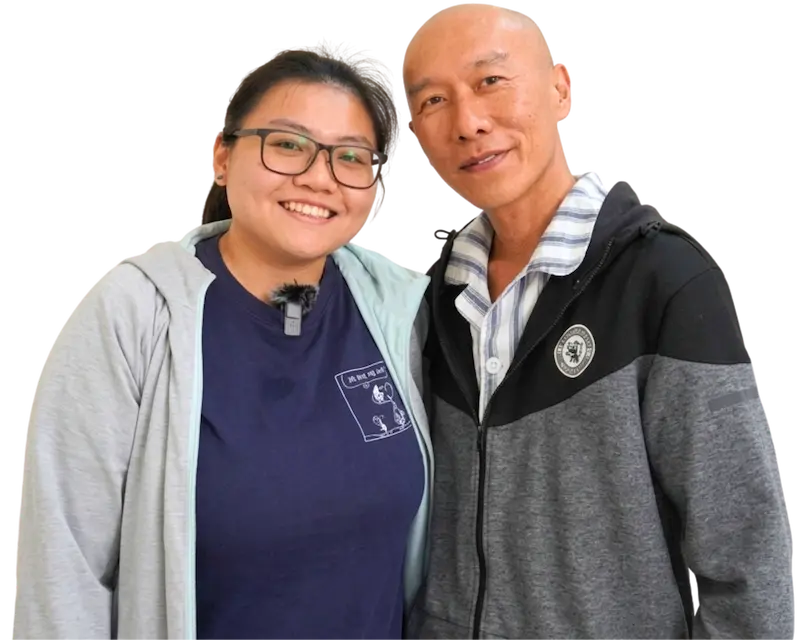


Esophageal Cancer Overcome Through Minimally Invasive Intervention
A Journey From Diagnosis to Recovery
Nguyen Van Thanh, a 45-year-old from Hanoi, Vietnam, faced a life-altering diagnosis when he began experiencing difficulty swallowing. What started as a simple choking sensation during meals soon progressed to chest pain and stomach distress. Medical examinations at a local hospital, including gastroscopy and biopsy, revealed a troubling diagnosis: esophageal cancer at stage II. The news devastated his family, yet they resolved to pursue hope and treatment rather than despair.

Seeking Advanced Treatment Options
When local doctors recommended surgical intervention, Thanh declined, believing that more advanced and less invasive approaches might offer better outcomes. He and his family began researching various cancer treatment facilities and methodologies. A crucial turning point came when a friend, who had also battled cancer, shared his positive experience at Modern Cancer Hospital Guangzhou. This recommendation, combined with additional information discovered online, provided Thanh with renewed optimism. He decided to contact the hospital’s Hanoi office for consultation.
The consultation proved transformative. Medical professionals provided personalized treatment guidance and encouragement, assuring Thanh that advanced minimally invasive options were available. After careful family deliberation, the decision was made: Thanh would travel to China for treatment.
Establishing a Personalized Treatment Plan
Upon arrival at Modern Cancer Hospital Guangzhou, a multidisciplinary medical team evaluated Thanh’s condition comprehensively. Based on his specific circumstances, doctors designed an individualized treatment regimen tailored to his needs. Over the subsequent 10 months, Thanh underwent multiple interventional procedures as his primary therapeutic approach, complemented by additional supportive treatments.
The Treatment Experience
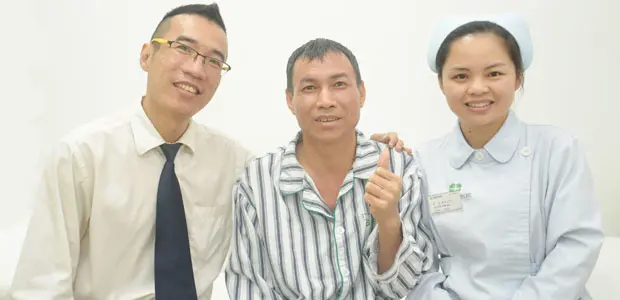
Thanh’s first encounter with minimally invasive therapy initially sparked some anxiety. However, detailed explanations from the medical team regarding the procedure quickly alleviated his concerns. The compassionate care and professional expertise demonstrated by the doctors and staff fostered profound confidence in his care providers. Remarkably, the treatment procedures themselves proved remarkably tolerable, without significant discomfort.
Dramatic Clinical Improvement
The results became apparent following his fourth intervention session. The choking sensation that had plagued him improved dramatically—decreasing by approximately 80 percent. Beyond interventional therapy, Thanh received biological natural therapy, intravenous chemotherapy, and radiotherapy as part of his comprehensive treatment strategy. The overall treatment course progressed exceptionally well.
Side effects remained minimal and manageable. While intravenous chemotherapy resulted in slight hair loss, Thanh experienced virtually no other adverse effects. His nutritional status improved significantly: the 4-5 kilogram weight loss he had suffered prior to treatment reversed, and his appetite returned robustly. By his fifth treatment visit, imaging studies revealed complete tumor disappearance—a development that brought immense joy to both Thanh and his family.
The Hospital Experience
Beyond clinical excellence, Thanh was impressed by the welcoming environment and sophisticated medical infrastructure. The hospital staff—including physicians, nursing personnel, and interpreters—demonstrated exceptional professionalism and compassion. His attending physician, Dr. Pang, earned particular appreciation through his attentive care, detailed explanations, and willingness to address all questions clearly. The facility organized various activities for cancer patients, including outings and shopping excursions, which Thanh recognized as valuable for maintaining psychological resilience and positive outlook during treatment.
A Message of Hope
Reflecting on his remarkable recovery, Thanh encourages other cancer patients to confront their diagnosis with courage and optimism rather than fear. He emphasizes the critical importance of identifying a trustworthy medical institution and appropriate treatment modality suited to individual circumstances. Through proper care and a positive mindset, he believes cancer can be conquered. His transformation from patient with a troubling diagnosis to disease-free individual stands as compelling testament to the potential of advanced minimally invasive oncological care.