

Keeping Her Eye and Her Smile: A Malaysian Woman’s Fight Against Parotid Gland Cancer
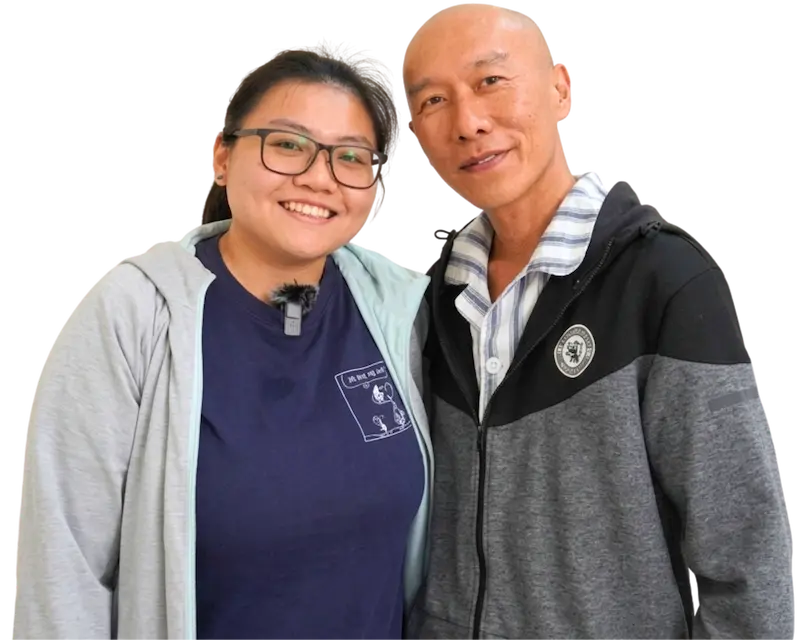
Not every cancer story begins with the patient’s own voice — sometimes it is told by the doctor who watched a patient refuse to give up. This is the account of Prof. Peng Xiaochi, a leading oncologist at St. Stamford Modern Cancer Hospital Guangzhou, describing the case of Chan Pui Ling, a 34-year-old woman from Malaysia who came to him after two surgeries had already failed to stop her parotid gland cancer from spreading toward her eye.
A Discovery Mistaken for Inflammation
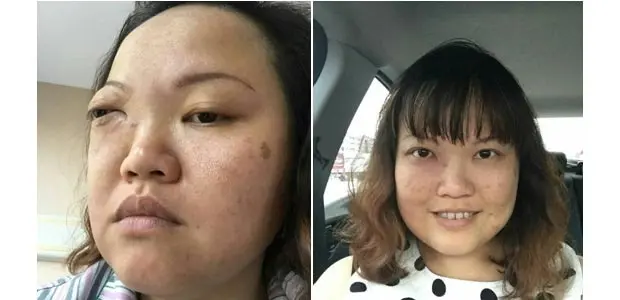
Prof. Peng recalls that when he first examined Pui Ling, her face was swollen and asymmetrical, and her right eyeball protruded outward, making it hard even to read her expression. The story behind that appearance had started months earlier, in November 2015, when a lump measuring roughly 2 by 3 centimeters appeared behind her right ear. On the advice of a local doctor, she initially treated it as a simple inflammation. When the lump kept growing regardless, a biopsy finally revealed the true cause: parotid gland cancer.
Two Surgeries, Carried Alone
She underwent surgery in February 2016. By March, a second mass had appeared near her right cervical trachea, requiring yet another operation. Pathology results after this second surgery confirmed that the cancer originating in her parotid gland had already spread into the tissues of her neck.
Rather than burden her family with worry, Pui Ling chose to face both operations without telling them the full extent of what was happening. As she put it, she simply decided to trust her doctors’ recommendations and expected that things would work out. Chemotherapy followed the surgeries, and remarkably, she kept going to her job every day throughout treatment — until the cumulative side effects eventually forced her to cut back to half-days.
When the Cancer Reached Her Eye
Pui Ling completed her course of chemotherapy in August 2016. But by October, she noticed her right eye was becoming difficult to move and she began seeing double. Further tests confirmed her worst fear: the parotid gland cancer had spread into the tissue surrounding her eye.
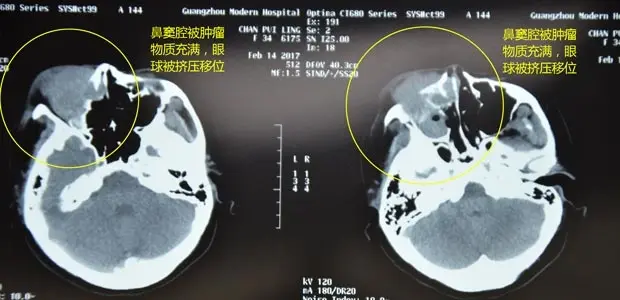
Doctors at the time proposed removing the eyeball entirely as the recommended course of action, warning her honestly about the possible aftermath — including reduced ability to manage daily self-care due to the resulting change in vision. Frightened by this prospect, Pui Ling finally opened up to her family about her condition. It was her sister who urged her to look for alternative treatment options elsewhere, a search that eventually led her to Prof. Peng.
Choosing Interventional Therapy Over Losing an Eye
Pui Ling arrived in Guangzhou on her own. Prof. Peng recalls expecting to spend their first meeting reassuring and building confidence in a frightened young woman — but found instead that she was far more resilient than he had anticipated.
After a thorough case review, the multidisciplinary team (MDT) together with Prof. Peng agreed that interventional therapy was the appropriate path forward. This is a minimally invasive procedure carried out with the guidance of medical imaging equipment, in which chemotherapy drugs are delivered directly into the tumor’s blood supply through arterial infusion. Because the medication is concentrated at the tumor site rather than circulated throughout the entire body, its local concentration can reach 2 to 80 times higher than what systemic chemotherapy would deliver — allowing it to target cancer cells far more effectively.
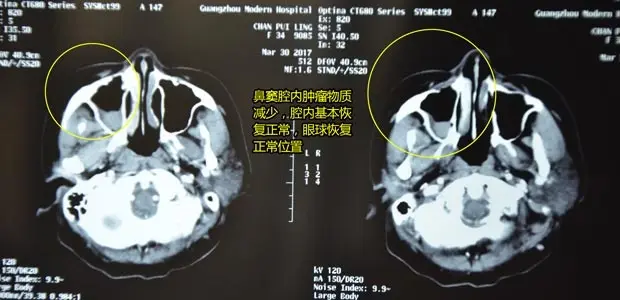
The results came quickly: within just three days of her first interventional therapy session, the tumor around Pui Ling’s right eye had visibly shrunk. By the time she completed her fourth session, it was difficult to notice any remaining abnormality on her face at all.
Finding a Second Family in the Hospital Ward
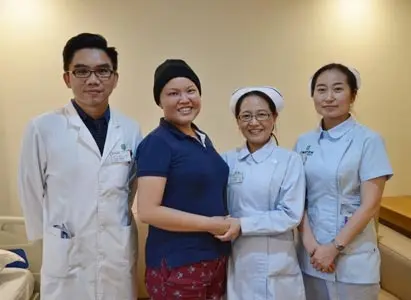
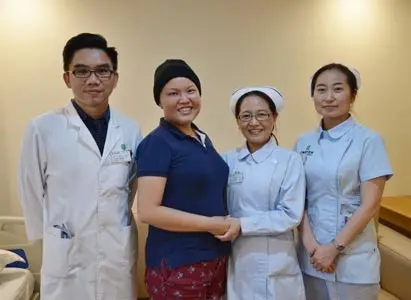
Throughout her treatment at St. Stamford Modern Cancer Hospital Guangzhou, Pui Ling remained unusually active and social. Whenever she had free time, she would chat with doctors and nurses, quickly forming friendships with the medical staff. Even though each interventional therapy session required her to stay in bed for 12 hours afterward, she consistently expressed gratitude toward the nurses caring for her.
When she learned that another patient — a woman being treated for nasopharyngeal cancer — had also arrived alone, Pui Ling asked if the two of them could stay together, hoping they could support and encourage one another through treatment.
By her fourth return visit to the hospital, Pui Ling had come to see the place almost as a second home, with the doctors and fellow patients feeling like extended family. As she described it herself, she holds a firm belief that treating others with kindness is what allows a person to live a genuinely happy life.

A Doctor’s Reflection
Prof. Peng closes her story with evident pride, describing Pui Ling as strong, brave, and kind-hearted. He notes that as cancer cases continue to rise globally and increasingly become a shared societal challenge, the right response is not to be paralyzed by fear but to face the disease with courage — and that it remains entirely possible to live a fulfilling life even while confronting cancer.
Key Points from This Case
- Initial parotid mass was mistaken for inflammation before biopsy confirmed cancer
- Cancer recurred and spread to the neck despite two surgical procedures
- Disease progression into eye tissue put the patient at risk of losing her right eyeball
- Interventional (arterial infusion) therapy delivered drug concentrations 2–80 times higher than systemic chemotherapy directly to the tumor site
- Visible tumor shrinkage occurred within 3 days of the first session
- By the fourth session, facial swelling and eye displacement had largely resolved, and the eye was preserved