

Lymphoma Patient Achieves Complete Remission With Minimally Invasive Multimodal Therapy
A Second Chance Without the Burden of Severe Side Effects
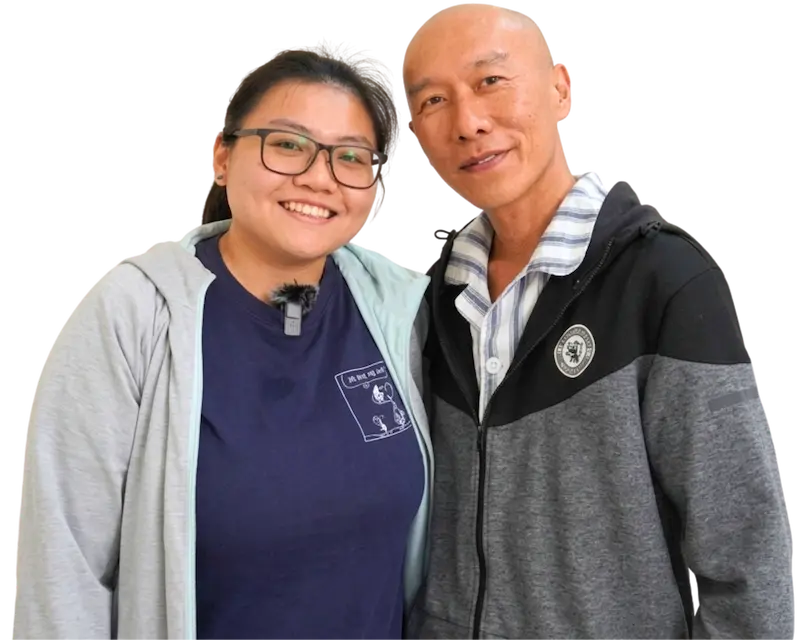
Malaysian resident Chong Fui Min recently shared his remarkable recovery from advanced lymphoma after receiving integrated treatment combining interventional procedures, botanical remedies, and systemic chemotherapy. What struck him most profoundly was an unexpected bonus—the absence of the debilitating hair loss that typically accompanies conventional cancer therapy. “I understand that many individuals experience complete hair loss following chemotherapy,” he explained with evident amazement. “In my case, not only did I retain my hair, but new growth appeared in areas that had previously been bald.”
Transformation in Physical Function and Quality of Life
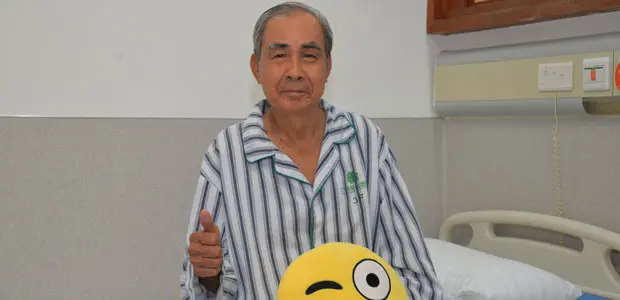
Following his multi-faceted therapeutic regimen at St. Stamford Modern Cancer Hospital Guangzhou, Chong’s physical capacity underwent dramatic improvement. Prior to treatment, routine activities like walking left him gasping for breath. Today, he can maintain a steady jogging pace for approximately one hour without respiratory strain. His complete symptom profile—which had included persistent fever episodes, nocturnal perspiration, overwhelming exhaustion, a sense of heaviness and malaise, localized discomfort, and compromised breathing—has disappeared entirely. The therapeutic intervention also reversed his previous weight decline, resulting in a net gain of 12 kilograms. Currently maintaining a stable disease state, he requires only biannual medical evaluations to monitor his continued progress.
Initial Diagnosis and Emotional Response
Chong’s health deteriorated in late 2015 when he sought medical attention for recurring fever, nocturnal sweating, dyspnea, exhaustion, lightheadedness, and bodily pain at a local Malaysian facility. The initial assessment incorrectly identified his condition as leukemia. Receiving a malignancy diagnosis typically triggers profound emotional distress in most individuals, yet Chong adopted an remarkably philosophical perspective. “I had a close friend who passed away during his fifties,” he reflected. “At my stage of life in my seventies, I harbor no regrets about my time or what lies ahead.”
Declining Conventional Monotherapy in Favor of Comprehensive Strategies
Upon initial diagnosis, medical providers recommended pharmaceutical intervention. However, as treatment progressed, its effectiveness plateaued while adverse effects intensified, particularly gastric distress and appetite suppression leading to progressive weight loss. When clinicians subsequently proposed conventional chemotherapy, Chong respectfully declined. Drawing on his background as a medical auxiliary professional, he possessed sufficient clinical understanding to recognize that aggressive chemotherapy would be extraordinarily difficult to tolerate given his advanced age and compromised physical condition. His family unit aligned with his decision, particularly after witnessing relatives and friends from their Malaysian community undergo chemotherapy only to experience unfavorable long-term outcomes. Faced with his gradually deteriorating status and mounting family concerns, his relatives launched an extensive search for alternative treatment modalities.
Discovery of Advanced Therapeutic Options
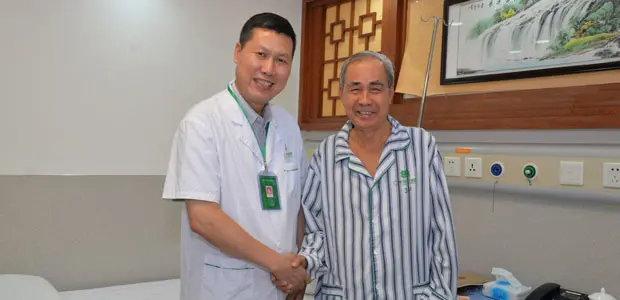
Fortuitously, Chong’s daughter and daughter-in-law learned of an educational seminar being conducted by St. Stamford Modern Cancer Hospital Guangzhou in Kota Kinabalu. Accompanying Chong to the event, they seized the opportunity to speak with clinical specialists. This consultation proved transformative—he gained exposure to the facility’s portfolio of eighteen distinct minimally invasive therapeutic modalities. For the first time in his medical journey, genuine optimism emerged. “In Malaysia, our conventional approach encompasses three primary cancer interventions: surgical resection, chemotherapy, and radiation therapy,” Chong observed. “In contrast, St. Stamford Modern Cancer Hospital Guangzhou provides access to eighteen different anti-cancer technologies alongside traditional Chinese medicine methodologies.”
Cost considerations also factored prominently in Chong’s deliberation. His daughter had initially proposed seeking treatment in Australia; however, Australian medical costs exceeded those in China by approximately fourfold, with the additional disadvantage of unavailable traditional Chinese medicine integration. This financial reality solidified his commitment to pursue treatment in China.
Recovery Through Coordinated Multimodal Therapy
Upon arrival at St. Stamford Modern Cancer Hospital Guangzhou on December 23, 2015, accompanied by his spouse and daughter, Chong underwent comprehensive diagnostic reassessment. The thorough evaluation corrected the initial misdiagnosis, confirming stage IV lymphoma rather than leukemia. The hospital’s Multidisciplinary Team formulated a personalized therapeutic protocol incorporating interventional procedures, herbal medicine, and chemotherapy tailored specifically to his clinical presentation.
Chong documented encouraging developments following his initial intervention cycle: gastrointestinal function normalized, appetite returned, and associated discomforts subsided substantially. Throughout his therapeutic course—encompassing seven interventional procedures, three botanical medicine sessions, and three chemotherapy series—side effect burden remained minimal. He emphasized the qualitative distinction between chemotherapy administered in Malaysia versus China: “The approach here is fundamentally different. Chinese herbal preparations are incorporated to shield hepatic and renal tissues from chemotherapy-induced damage. After completing a one o’clock afternoon chemotherapy session, I could travel back to Sabah by five o’clock without experiencing any adverse reactions throughout the journey.”
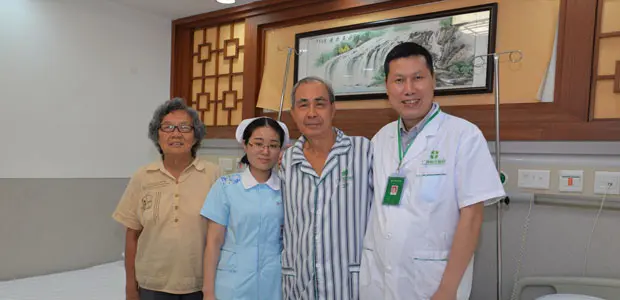
The Human Element of Specialized Care
Beyond the advanced therapeutic arsenal, Chong identified the exceptional quality of interpersonal care as the most memorable aspect of his hospital experience. “The physicians and nursing staff demonstrate remarkable kindness and warmth,” he conveyed with genuine gratitude. “They possess an engaging humor that genuinely lifts one’s spirits, allowing me to momentarily forget my diagnosis. Whenever I require assistance, staff respond swiftly and attentively. Throughout my experiences at five different Malaysian medical institutions, I have never encountered comparable levels of personalized attention. The technological sophistication underlying their treatment protocols is equally impressive.”
Chong Fui Min’s recovery trajectory represents not merely a clinical success in disease management, but a testament to the potential of integrative treatment approaches that minimize iatrogenic burden while maximizing therapeutic efficacy. His continued stable status, requiring only periodic monitoring, offers hope to others confronting similar diagnoses and difficult treatment decisions.