

Minimally Invasive Therapy Eliminates Nasopharyngeal Cancer with Egg-Sized Tumor
Discovery of Advanced Nasopharyngeal Disease
My name is Lukman Holy, and I come from Makassar, Indonesia. During 2022, my health took a troubling turn. I began experiencing persistent discomfort in my gums, along with recurring nasal discharge accompanied by bloodstained secretions. These symptoms created an overwhelming sense of dread—something within me warned that a serious condition was developing.
I sought medical attention at a local facility, where diagnostic imaging revealed sinusitis along with three distinct masses within the nasal cavity. Unfortunately, the examining physicians could not establish a definitive diagnosis, leaving me anxious and confused. Seeking clarity, I traveled to Malaysia for a second opinion. This evaluation confirmed what I feared most—nasopharyngeal carcinoma. The tumor had grown to a substantial size, measuring approximately 6.1 centimeters by 4.0 centimeters, entirely occluding the nasopharyngeal passage. The recommended course of treatment was conventional systemic chemotherapy administered intravenously.
Severe Adverse Reactions to Standard Chemotherapy
I began the prescribed systemic chemotherapy regimen, which involved a six-hour infusion. The consequences were catastrophic. Following the completion of the infusion, I lost consciousness and collapsed. My family, witnessing this frightening event, recognized that this conventional approach was causing more harm than benefit. We urgently needed to find an alternative pathway forward.
Our desperation led to an intensive search for different therapeutic options. During this quest, we discovered St. Stamford Modern Cancer Hospital Guangzhou, an institution specializing exclusively in oncologic care. What captured our attention most was learning that this facility offered minimally invasive treatment technologies that produced minimal side effects, enabled rapid recovery, and significantly reduced the risk of complications. The contrast with my experience of severe systemic toxicity was striking and hopeful.
Beginning Minimally Invasive Interventional Therapy
In November 2023, I made the journey across continents to reach Guangzhou. Upon arrival at the hospital, a multidisciplinary team evaluated my complete medical history and imaging studies. They formulated a personalized treatment strategy centered on minimally invasive interventional therapy—a technique fundamentally different from the systemic chemotherapy that had previously caused my collapse.
This interventional approach operates on a principle that fascinated me: it delivers therapeutic medications at concentrations 8 to 10 times greater than those achievable through conventional intravenous infusion, yet accomplishes this without damaging surrounding healthy tissues. The procedure involves threading an extremely fine catheter directly into the tumor under continuous real-time imaging guidance, allowing precise administration of anti-tumor agents directly to the malignancy.
Rapid Clinical Improvement and Tumor Regression
Prior to commencing treatment, my daily existence was constrained by multiple distressing symptoms. I battled persistent thirst, my hearing fluctuated unpredictably, my nasal passages felt abnormal and congested, swallowing became progressively difficult, my tongue exhibited numbness and weakness, my speech became unclear, and I endured recurring episodes of fever with frequent nosebleeds. Each symptom served as a constant reminder of the advancing disease within my body.
What occurred in the days following my initial minimally invasive intervention was remarkable. Within just a few days after the first treatment session, my nosebleeds ceased entirely. The low-grade fever disappeared. The abnormal sensations affecting my tongue vanished. My nasal cavity function normalized. Most remarkably, my hearing returned to perfect clarity. The constellation of debilitating symptoms that had defined my daily experience simply resolved.
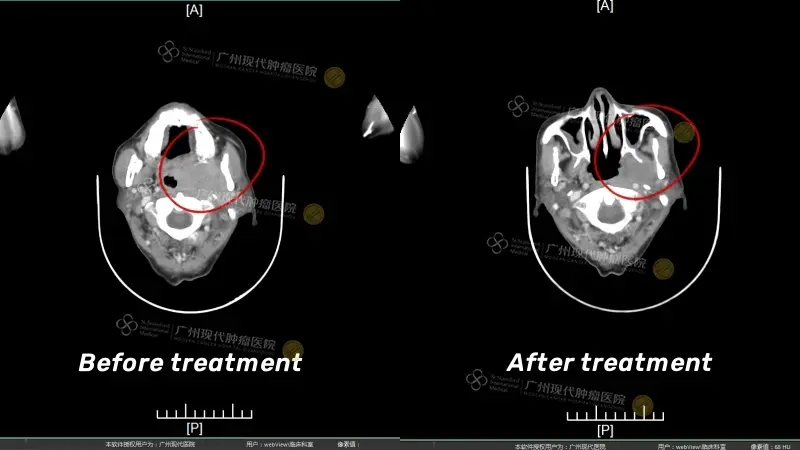
As I completed the third and final minimally invasive treatment session, the transformation was unmistakable. Unlike the devastating systemic chemotherapy experience that had left me unconscious, this treatment produced no pain, no fainting episodes, and no serious complications. More significantly, imaging demonstrated that the egg-sized tumor that had completely obstructed my nasopharynx had nearly vanished. The therapeutic effect exceeded my most optimistic expectations.
Renewed Hope Through Successful Treatment Outcomes
During my hospitalization, I spent considerable time walking through the hospital gardens and leisure facilities. During these moments, I encountered and befriended numerous other patients, many originating from Indonesia and neighboring nations. Their narratives resonated deeply with my own experience. Like me, they had exhausted conventional treatment options available in their home countries with disappointing results. Yet following their arrival at this hospital and commencement of treatment, each of them had achieved successful outcomes in their fight against cancer. Their individual triumphs reinforced my conviction that the hospital’s innovative technologies represented a genuine pathway to recovery.
My renewed confidence in recovery stems directly from witnessing how the hospital’s treatment methodology has transformed the lives of patient after patient. I am now firmly convinced that the institution’s advanced therapeutic capabilities offer genuine hope for reclaiming my health.
Sharing Knowledge Within My Community
I hold the position of secretary within the Indo-Chinese Association of 100 People’s Names, a prominent community organization based in Indonesia. Throughout my tenure with this group, I have developed meaningful relationships with numerous local leaders, entrepreneurs, and respected community figures. I actively participate in all major organizational activities and initiatives.
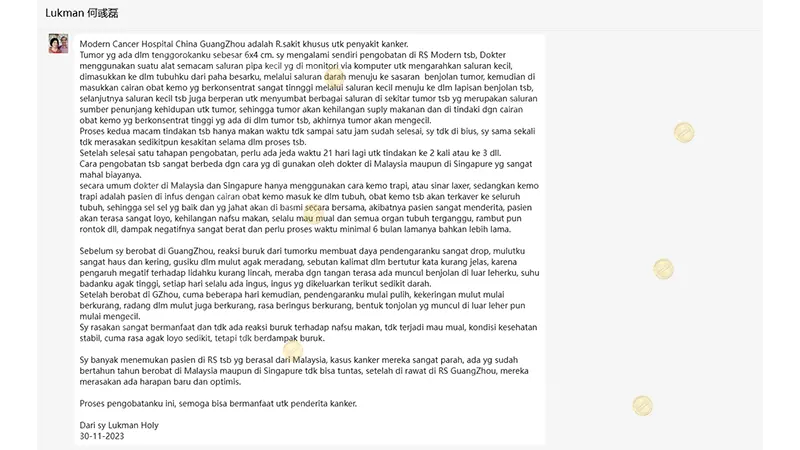
Following my successful treatment experience, I composed a comprehensive article documenting my cancer journey and recovery. My primary motivation was to provide hope and tangible guidance to others facing similar diagnoses who feel trapped by ineffective conventional treatments. I specifically highlighted how minimally invasive methodologies allow patients to avoid both the physical pain and the psychological despair so often accompanying traditional systemic chemotherapy. When I shared this article within my community networks, it generated widespread interest and recognition among local leadership and prominent citizens.
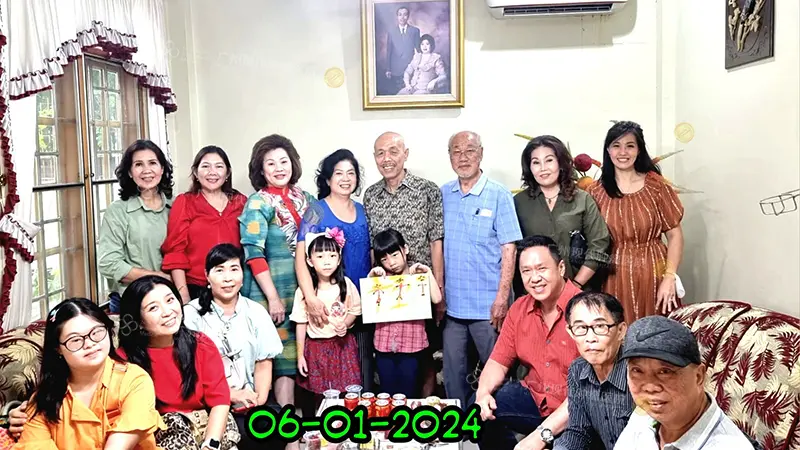
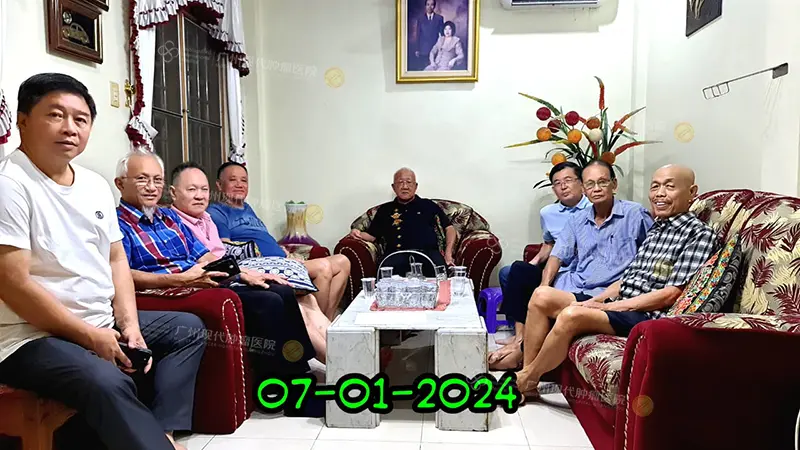
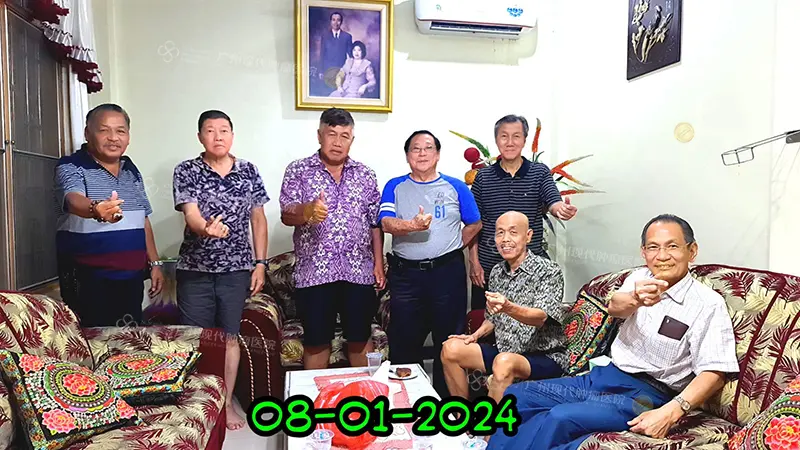
Numerous leaders—including prominent business figures, organizational chairpersons, and influential community members—visited my residence to learn more directly about my experience. They expressed genuine astonishment and enthusiasm upon understanding the advantages of minimally invasive cancer treatment technologies. These individuals recognized both the medical validity and the humanitarian importance of making such information available. I welcomed these visits with enthusiasm and hope, knowing that my personal story might guide others toward treatment approaches that could save their lives and preserve their quality of life.
Comprehensive Care Excellence Beyond Medical Technology
While the minimally invasive treatment technology was the fundamental reason for my recovery, the hospital demonstrates equally impressive competence in the realm of patient services and comprehensive care. From the moment I arrived, every aspect of my experience reflected genuine consideration for patient wellbeing and comfort.
The hospital arranged airport transportation and provided wheelchair assistance without hesitation. Professional translation services in Indonesian were readily available, eliminating any communication barriers. Staff members coordinated all medical travel logistics seamlessly. The hospital even celebrated my birthday during my stay, an unexpected gesture that reinforced the profoundly human approach to patient care. Recreation and entertainment programming provided mental and emotional support. Private accommodations were offered for family members who chose to remain nearby during treatment. Ward facilities were comprehensive and meticulously maintained, creating a genuinely comfortable environment for healing.
Beyond these amenities, the clinical staff demonstrated unwavering dedication. Physicians and nursing personnel conducted daily rounds to assess not only my medical status but also my emotional wellbeing and daily needs. This holistic approach to patient care—treating individuals rather than merely managing diseases—distinguishes this institution from typical medical facilities.
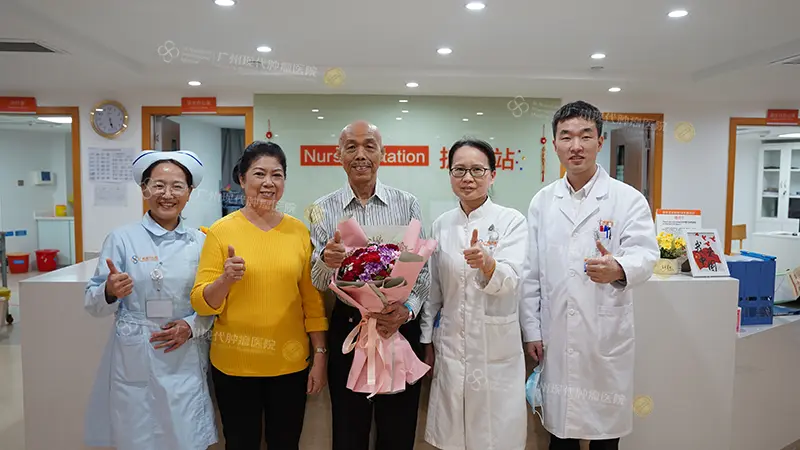
I harbor deep gratitude toward St. Stamford Modern Cancer Hospital Guangzhou. This institution has not only restored my physical health and eliminated my cancer, but has also provided exceptional therapeutic care to patients traveling from Indonesia and many other international locations. The combination of cutting-edge medical technology and genuinely compassionate patient-centered services represents the optimal approach to cancer care, and I wholeheartedly recommend this institution to anyone facing a similar diagnosis.