

Stage IV Lung Cancer and Heart Disease: One Patient’s Recovery Story
A Hoarse Voice Turns Into a Cancer Diagnosis
Ramli Rukiana, a 50-year-old from Batam, Indonesia, began noticing a persistent hoarseness in his voice back in November 2023. Weeks passed and the problem lingered, so he sought answers at a hospital near home. The doctors there could not pinpoint a cause, which pushed him to travel to Singapore for further testing. A CT scan there delivered the news no one wants to hear: cancer.
He later described the moment he learned of his diagnosis as one of the darkest of his life. He withdrew, avoiding conversations with friends and even hesitating to tell his own family, fearing the news would devastate them as much as it had devastated him. For a while, he considered walking away from treatment altogether. In his mind, a cancer diagnosis felt like a death sentence, and the thought of surgery followed by radiotherapy filled him with dread. It was his wife’s steady encouragement, along with support from close friends, that eventually pulled him out of that mindset and pushed him to keep searching for options.
Choosing a Minimally Invasive Path Abroad
Years earlier, a relative of his had traveled to China for cancer treatment and had gone on to live free of recurrence. That success story stayed with him, and when his own diagnosis arrived, he and his family began researching reputable oncology centers in China. Their search led them to St. Stamford Modern Cancer Hospital Guangzhou. After reaching out to the hospital’s Medan-based international service center, he felt reassured by how attentively and professionally the staff handled his inquiries. This connection led to a video consultation over Zoom with a multidisciplinary panel of specialists.
During that call, Mr. Ramli was upfront about his concerns. He wanted to avoid surgical removal of the tumor, citing the risks, the lengthy recovery, and his existing history of serious heart problems. He also hoped for a treatment timeline that wouldn’t pull him too far away from his job and family responsibilities. The specialist team listened closely, reviewed his pathology records, and proposed a minimally invasive approach instead of resection — one they felt matched both his medical profile and his age.
Reassured by their recommendation, he traveled to the hospital in Guangzhou in December 2023. Additional testing there confirmed a stage IV malignant tumor in the left lung, identified as infiltrative adenocarcinoma (a form of non-small cell lung cancer), roughly 1.7 cm in size and accompanied by lymph node involvement. Based on these findings, the medical team designed an interventional therapy plan: anti-tumor medication would be delivered directly into the tumor through a fine catheter, guided by real-time imaging. The approach targets the tumor without harming surrounding healthy tissue, requires no incision, and avoids the side effects typically associated with more aggressive treatments — a factor that made it particularly suitable given his cardiac history.
Treating Cancer Alongside a Weakened Heart
Beyond explaining the treatment plan, the medical staff worked to ease Mr. Ramli’s underlying anxiety about hospitals in general — a fear compounded by his heart condition. For the treatment team, his case carried real complexity: alongside the stage IV lung tumor, his cardiac function was measured at only around 30 percent, a level that made every step of the process more delicate.
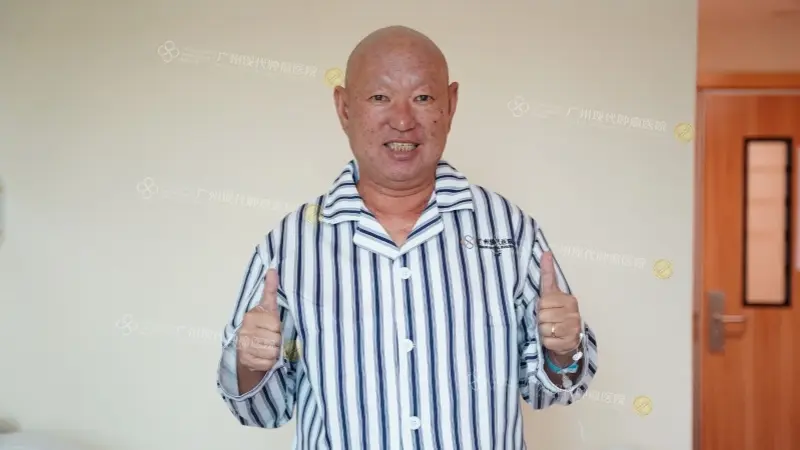
Drawing on years of combined clinical experience across specialties, the team worked through the challenge. Mr. Ramli recalled feeling noticeably better after just the first round of intervention, with none of the nausea or fatigue he had braced himself for. He was able to resume his normal daily routine almost immediately, joking with his doctors that he felt ready to check out of the hospital the same day the procedure ended.
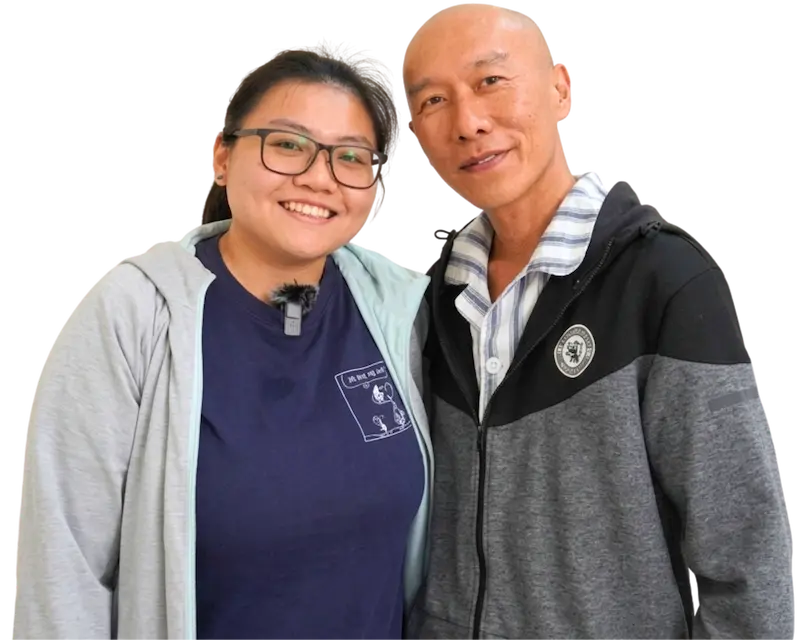
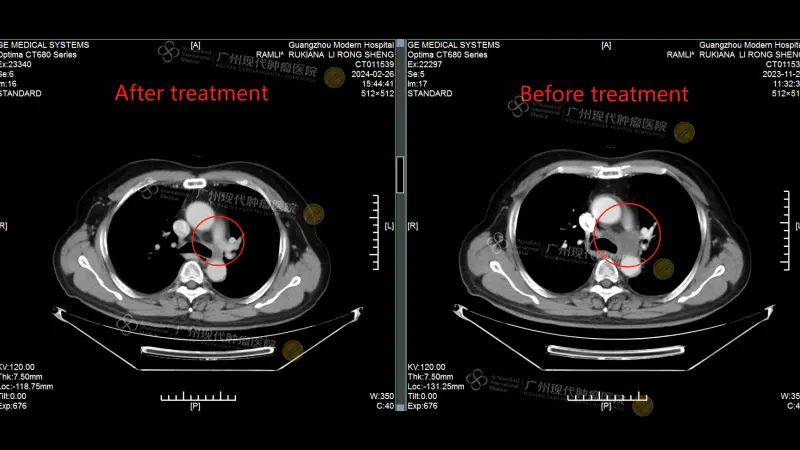
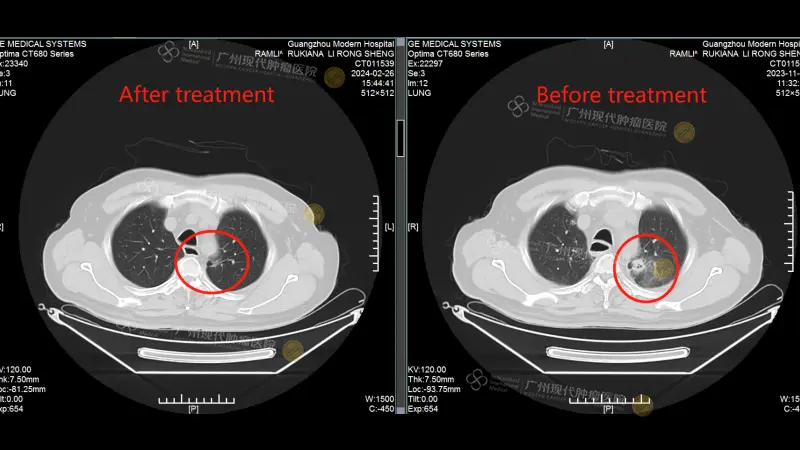
Follow-up scans brought welcome news. The care team reported that the tumor in his lung had nearly vanished, and the cancer that had spread to nearby lymph nodes had shrunk dramatically. The before-and-after imaging made the difference unmistakable, and his overall test results showed broad improvement. Mr. Ramli and his wife responded with visible relief and gratitude, thanking the doctors warmly. Since returning home to Indonesia, he has kept in touch with the hospital to share updates on his continued good health.
What Stood Out About the Experience
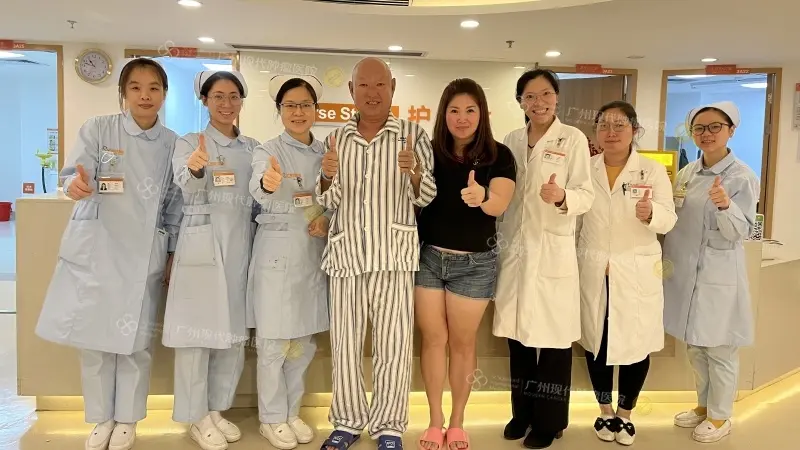
Reflecting on his time at the hospital, Mr. Ramli pointed to the pace and coordination of care as a major difference compared to other facilities he’d encountered. Within roughly two days of admission, all his necessary tests were complete. From there, his attending physician, the ward director, and specialists from other departments reviewed his case together and settled on a treatment plan, walking him through every detail until his worries eased.
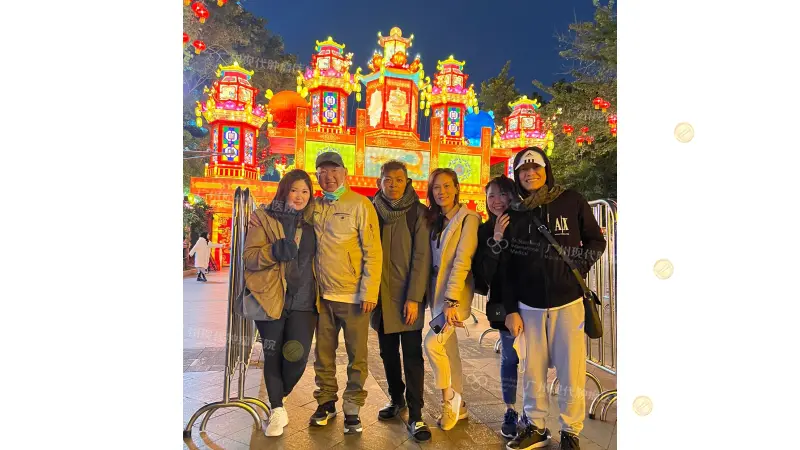
Having spent his career managing a team of around 200 people, Mr. Ramli said this collaborative, team-based approach to his care resonated with him personally — he sees teamwork as central to achieving strong outcomes, whether in business or in medicine. His recovery has left an impression on the people around him too:
- Friends and family were surprised and encouraged by how well his treatment went
- Work colleagues have taken notice of his recovery
- He has since recommended the hospital to people in his circle
“My personal experience tells me that the oncology treatment technology and services at this hospital are excellent,” he said, giving the care team his firm approval.
Connecting With Fellow Patients Across Borders
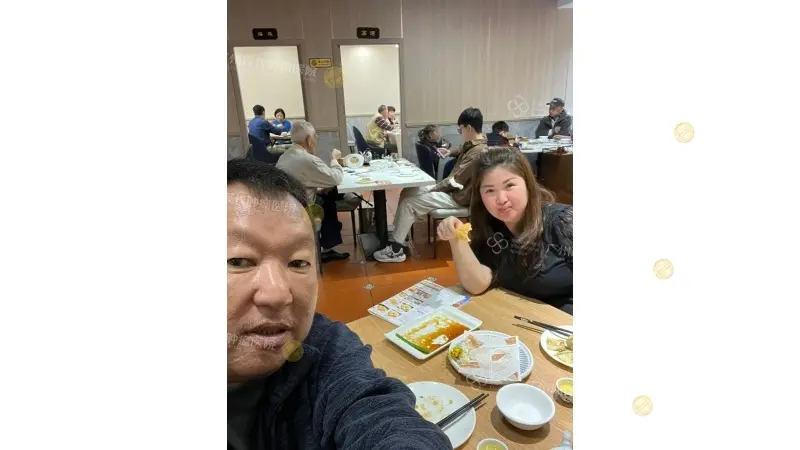
True to his outgoing nature, Mr. Ramli spent time during his stay visiting other patients on different wards, striking up conversations whenever he could. Even when language barriers came up with patients from Singapore, Malaysia, the United States, Vietnam, and Thailand, he leaned on Google Translate to keep the conversations going. Among the people he met were patients who had been told elsewhere that no more could be done for them, others who had relapsed after surgery, and some worn down by rounds of chemotherapy and radiation — many of whom found renewed hope and better outcomes through treatment at the hospital.
A Message of Gratitude and Encouragement
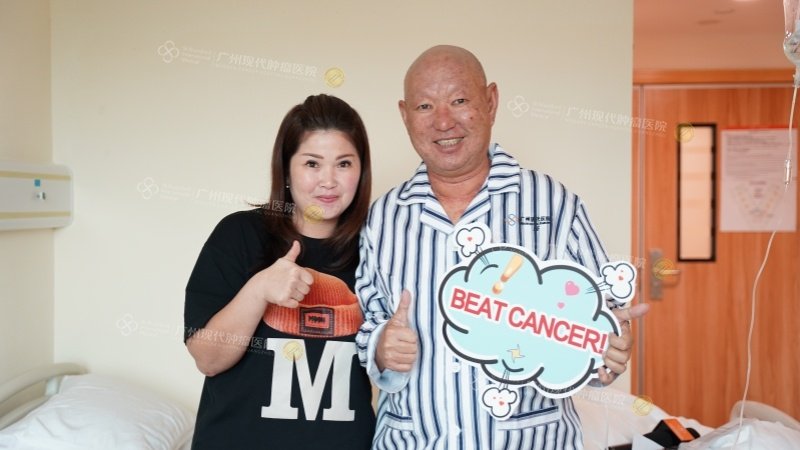
Looking back on the hardest stretch of his cancer journey, Mr. Ramli grew emotional describing his appreciation for the doctors, nurses, and interpreters who supported him — particularly the team at the Medan International Service Center, whom he now considers family. The hospital environment itself, he said, came to feel like a second home. Above all, he credited his wife’s unwavering encouragement as the driving force behind his recovery, adding that maintaining a positive outlook played a real role in how well his treatment turned out. He now makes a point of encouraging other patients to stay hopeful, believing that a strong mindset gives everyone a better shot at beating the disease.