


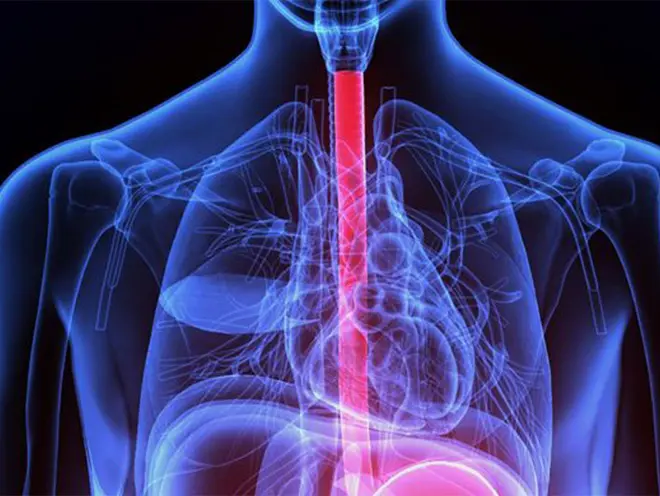
Esophageal Cancer: A Comprehensive Educational Guide
Understanding Esophageal Cancer
Esophageal cancer represents one of the most significant gastrointestinal malignancies affecting populations worldwide. According to recent global health data, approximately 300,000 individuals succumb to this disease annually. The World Cancer Report documented that in 2018 alone, 572,000 new cases were identified, with 509,000 fatalities occurring from this condition. This substantial disease burden underscores the critical importance of awareness, early detection, and comprehensive treatment strategies.
The disease manifests through progressive difficulty in swallowing, which typically begins with challenges consuming solid foods and gradually advances to liquids. Understanding the nature of this condition and its manifestations is essential for patients, caregivers, and healthcare providers involved in managing this serious health concern.
Recognizing Symptoms of Esophageal Cancer
Early-stage esophageal cancer frequently presents with subtle or nonspecific symptoms, which can delay diagnosis. Notably, nearly half of all patients diagnosed with esophageal cancer already have metastatic disease at the time of detection, significantly impacting treatment outcomes and prognosis. Post-surgical survival rates currently range from 25 to 40 percent, highlighting the importance of early intervention.
Patients may experience various warning signs that warrant medical attention:
- A sensation of foreign material or obstruction within the esophagus, accompanied by choking sensations during the swallowing process
- Burning, sharp, or dragging discomfort within the chest region or sternum during swallowing
- Severe feeding difficulties combined with nausea, upper abdominal discomfort, and progressive weight loss
- Marked nutritional deficiency and physical wasting (cachexia)
It is important to recognize that these symptoms are not exclusively indicative of esophageal cancer and may reflect other medical conditions. Any persistent swallowing difficulties or the symptoms described above necessitate prompt evaluation by qualified healthcare professionals for appropriate diagnostic assessment.
Diagnostic Methods for Esophageal Cancer
Establishing an accurate diagnosis requires a multimodal approach utilizing several specialized diagnostic techniques:
Fiberendoscopy
This widely-adopted endoscopic procedure enables direct visualization of the digestive tract and represents a standard approach for evaluating gastrointestinal malignancies.
Endoscopic Ultrasonography
This advanced imaging technique allows clinicians to determine the depth of invasion through the esophageal wall layers and can identify enlarged lymph nodes adjacent to the esophagus, providing crucial staging information.
X-ray Barium Studies
Barium meal examinations effectively demonstrate the location of lesions, their dimensions, and the degree of esophageal obstruction. Additionally, these studies can reveal whether malignant cells have penetrated through the esophageal wall into surrounding tissues.
Computed Tomography (CT) Imaging
CT scanning provides detailed cross-sectional images showing the relationship between the esophageal tumor and adjacent mediastinal structures. However, CT has limited sensitivity for detecting early-stage disease. Combining CT imaging with barium studies enhances diagnostic accuracy for esophageal cancer assessment.
Esophageal Exfoliative Cytology
This examination technique offers a convenient, minimally invasive approach with minimal patient discomfort and serves as a primary screening method for esophageal cancer diagnosis.
Esophageal Cancer Staging System
The TNM staging classification system categorizes esophageal cancer into distinct stages, each reflecting the disease’s anatomical extent and prognosis:
Stage 0 (Carcinoma In Situ)
At this earliest stage, malignant transformation is confined exclusively to the epithelial layer of the esophagus. No invasion into deeper tissue layers occurs, and no metastatic spread to regional lymph nodes or distant organs is present. Surrounding tissues remain unaffected.
Stage I (Local Invasion)
Malignant cells have infiltrated beyond the superficial epithelial layer into the lamina propria or submucosa. However, the muscularis propria layer remains uninvolved. Regional lymph node involvement and distant metastatic disease are absent at this stage.
Stage II (Lymph Node Involvement)
The disease has progressed to involve regional lymph nodes while remaining confined to the esophageal region. Distant metastatic spread has not yet occurred.
Stage III (Adjacent Structure Invasion)
The cancer has invaded adjacent structures, including the trachea and other neighboring tissues. Despite this local advancement, no distant organ metastases have developed.
Stage IV (Distant Metastasis)
Advanced metastatic disease characterizes this stage, with cancer cells having disseminated through the bloodstream to distant organs such as the liver, bone, and potentially the intracranial region.
Traditional Treatment Approaches
Conventional management strategies for esophageal cancer have traditionally encompassed several established modalities:
Surgical Resection
Surgical intervention involves removal of the affected esophageal tissue and resection of regional lymph nodes that may harbor metastatic disease.
Radiation Therapy
External beam radiation therapy is employed as a definitive or palliative treatment modality for esophageal malignancies.
Chemotherapy
Systemic chemotherapy is frequently utilized as a palliative treatment option for patients with unresectable or widely metastatic advanced-stage disease, helping to manage symptoms and potentially extend survival duration.
Traditional Chinese Medicine (TCM)
Integrative approaches incorporating traditional Chinese medicine have demonstrated potential benefits in inhibiting cancer progression, enhancing immunological function in affected patients, and reducing the adverse effects associated with conventional radiation and chemotherapy interventions.
Advanced Minimally Invasive Treatment Technologies
Modern cancer treatment facilities now offer sophisticated minimally invasive techniques that provide alternatives to conventional surgical approaches. These innovative technologies employ small incisions and image-guided precision, offering potential advantages including reduced trauma, faster recovery, and improved quality of life compared to traditional open surgical procedures.
Interventional Therapy
This image-guided minimally invasive technique utilizes sophisticated medical imaging equipment to direct treatment. Using only 1-2 millimeter incisions, physicians can perform precise percutaneous procedures under real-time imaging guidance. This approach is applicable to various solid tumors including hepatocellular carcinoma, lung malignancies, breast cancer, colorectal cancer, cervical cancer, nasopharyngeal cancer, thyroid cancer, prostate cancer, and gastric cancer.
Cryotherapy (Cryoablation)
Also referred to as cryosurgery, this thermal ablation technique employs extreme cold to destroy malignant cells. The procedure has application across multiple cancer types including liver, lung, breast, colon, cervical, nasopharyngeal, thyroid, prostate, and gastric malignancies, representing both ancient and contemporary therapeutic approaches.
Combined Knife (Cryogenic Ablation System)
Despite its name, this technology is not a surgical cutting instrument but rather a sophisticated cryogenic system utilizing liquid nitrogen through multiple ablation needles to deliver coordinated cold and heat ablation therapy. The system achieves remarkable precision in targeting tumors, making it suitable for hepatic, pulmonary, pancreatic, thyroid, prostate, and renal cancers, as well as metastatic tumors throughout the abdomen and pelvis.
Nanoknife Technology
This cutting-edge ablation platform represents a breakthrough technology for tumor destruction. The Nanoknife system generates high-voltage electrical pulses through electrode probes, creating irreversible nano-scale electroporation pores in tumor cell membranes. This innovative approach is particularly valuable for challenging tumor locations near the pancreatic hilum, bile duct, gallbladder, and ureter, and is applicable to pancreatic, hepatic, pulmonary, and renal malignancies.
Particle Knife (125I Seed Implantation)
Also known as 125I seed implants, this technique involves implanting tiny radioactive iodine particles within or adjacent to tumors. These particles emit short-range gamma radiation continuously, delivering sustained therapeutic doses directly to malignant tissue. This approach is used for lung cancer, prostate cancer, breast cancer, hepatocellular carcinoma, nasopharyngeal cancer, tongue cancer, parotid gland carcinoma, tonsillar cancer, cervical cancer, and endometrial malignancies.
Drug-Eluting Beads Transarterial Chemoembolization (DEB-TACE)
This interventional therapeutic technique employs specialized microspheres composed of polymer or ceramic materials loaded with anti-cancer medications. These drug-eluting beads are delivered via catheter to occlude blood vessels supplying the tumor, simultaneously delivering high concentrations of chemotherapeutic agents directly to malignant tissue. The technique is utilized for solid tumors including hepatocellular carcinoma, lung cancer, breast cancer, colorectal cancer, cervical cancer, nasopharyngeal cancer, prostate cancer, and gastric cancer.
Radiofrequency Ablation (RFA)
Radiofrequency ablation represents a minimally invasive image-guided procedure that generates localized heat to destroy malignant cells. Under direct imaging guidance, radiofrequency energy is delivered through small percutaneous needles, inducing thermal necrosis of tumor tissue while preserving surrounding normal structures. This physical ablation method is applicable to hepatic, pulmonary, and breast malignancies as well as various metastatic tumors.
Multidisciplinary Team Approach to Treatment
Comprehensive cancer treatment requires coordination among multiple medical specialties. Contemporary cancer centers utilize multidisciplinary tumor boards that integrate oncology, surgery, radiology, pathology, and supportive care specialties to develop individualized treatment strategies. This collaborative approach ensures that each patient receives a personalized therapeutic plan based on their specific disease characteristics, overall health status, and personal preferences.
The integration of minimally invasive therapies with complementary traditional medical approaches, particularly Chinese medicine, enables patients to potentially avoid the significant morbidity associated with extensive surgical procedures, aggressive chemotherapy regimens, and intensive radiotherapy. Coordinated multidisciplinary management allows for continuous monitoring and timely therapeutic adjustments to optimize treatment efficacy and patient outcomes.
Improving Outcomes and Quality of Life
The overall objective of esophageal cancer management extends beyond tumor eradication to encompass improvement in patient quality of life, symptom alleviation, and survival duration extension. Modern treatment paradigms emphasize individualized care that balances therapeutic efficacy with tolerability and functional preservation.
Early detection through awareness of warning symptoms and accessibility to comprehensive diagnostic capabilities significantly impacts treatment outcomes. Patients presenting with early-stage disease have substantially better prognosis compared to those with advanced metastatic disease. Therefore, prompt medical evaluation of persistent swallowing difficulties and related symptoms remains critically important for optimizing therapeutic results.
The availability of multiple treatment modalities, including both conventional and innovative minimally invasive approaches, provides flexibility in treatment planning. Many patients benefit from integrated therapeutic strategies combining various technologies and traditional supportive care to achieve optimal results while maintaining functional capacity and quality of life throughout their cancer journey.
Conclusion
Esophageal cancer remains a serious global health challenge requiring awareness, early detection, and access to comprehensive, multidisciplinary treatment approaches. The combination of advanced diagnostic capabilities, innovative minimally invasive therapeutic technologies, and coordinated multidisciplinary care offers patients enhanced opportunities for effective disease management and improved outcomes compared to traditional treatment methods alone. Consultation with experienced oncology specialists and participation in multidisciplinary treatment planning can help patients make informed decisions regarding their personalized therapeutic approach.