


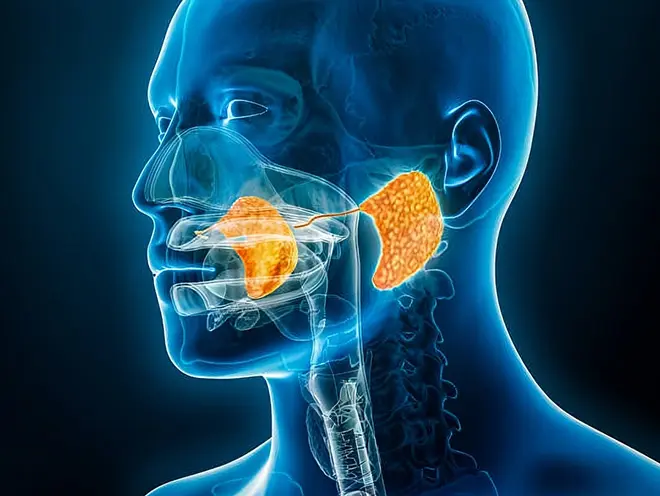
Oral Cancer: Causes, Symptoms, Diagnosis, and Treatment Options
What Is Oral Cancer?
Oral cancer ranks among the most frequently diagnosed cancers affecting the head and neck region. It can develop in virtually any structure inside the mouth, though the tongue, gums, inner cheek lining, and the area beneath the tongue are the sites most often involved. Statistically, oral malignancies represent somewhere between 1.45% and 5.6% of all cancer diagnoses worldwide, and men tend to be affected more often than women.
According to the World Health Organization’s 2022 Global Status Report on Oral Health, oral disease touches the lives of close to 3.5 billion people around the globe, and roughly three out of every four of those individuals reside in middle-income nations. Within Malaysia specifically, oral cancer continues to rank among the twenty most frequently diagnosed cancer types, with 2,199 cases recorded over a five-year period.
What Causes Oral Cancer?
A combination of lifestyle, environmental, and biological factors can raise a person’s likelihood of developing oral cancer. Commonly recognized contributors include:
- Prolonged tobacco use or heavy alcohol consumption
- Poor oral hygiene practices maintained over time
- Ongoing irritation from foreign objects or rough surfaces in the mouth (such as ill-fitting dentures or sharp teeth)
- Nutritional deficiencies
- Pre-cancerous conditions such as leukoplakia (white patches) and erythroplakia (red patches)
- Excessive exposure to ultraviolet light
- Exposure to ionizing radiation
Patients often ask whether oral cancer diagnosed at a middle or advanced stage can still be treated successfully. Minimally invasive approaches, which carry fewer side effects and cause less physical trauma than conventional surgery, may offer some patients a way to avoid extensive surgical removal and the harsher effects of standard radiotherapy, while still working to extend survival meaningfully.
Recognizing the Symptoms of Oral Cancer
Being alert to early warning signs can make a significant difference in outcomes. Key symptoms to watch for include:
- Changes in tissue color: Patches inside the mouth turning white, brown, or black may signal abnormal changes in the mucous membrane’s epithelial cells. Roughness, thickening, nodules, or the appearance of white (leukoplakia) or red (erythroplakia) patches can indicate a developing malignancy.
- Sores that won’t heal: A typical mouth ulcer clears up within about two weeks. If a sore continues to burn, ache, or fails to heal beyond that window, it warrants prompt evaluation.
- Noticeable pain: Early-stage oral cancer is frequently painless, presenting only as an unusual friction sensation. Pain tends to intensify once an ulcer breaks open, and as the disease advances and reaches nearby nerves, discomfort may radiate to the ears and throat.
- Swelling in the lymph nodes: Because oral cancers commonly spread to the lymph nodes in the neck, swelling in this area is a frequent sign.
- Reduced jaw or mouth function: Tumor growth into the chewing muscles or jaw joint can restrict how widely the mouth opens or how normally it moves.
How Is Oral Cancer Diagnosed? Self-Examination Guide
Routine self-checks can help identify abnormalities early. A simple home examination can be carried out in stages:
Face and Neck
Tilt your head back as far as is comfortable and look for anything unusual around the lower jaw and neck. Use your hands to palpate both sides of the neck and jaw area, comparing one side to the other for differences.
Lips
Examine the outer surface of both lips visually and by touch. Gently pull the lower lip down to inspect its inner surface, then repeat the process for the upper lip.
Gums
Look closely at the gums and run your fingers along them to check for any irregularities.
Cheeks
With your mouth closed, gently pull both corners of your mouth outward toward your ears, then feel each cheek for abnormalities.
Tongue
Extend your tongue and hold it steady with your fingers. Examine and feel its surface, then move it side to side to check the edges for anything unusual.
Underside of the Tongue
Lift the tongue upward and inspect and touch the area beneath it for abnormal findings.
Throat and Palate
Open your mouth wide, say “ah,” and examine the throat under good lighting. Tilt your head back and feel the roof of your mouth for anything out of the ordinary.
If any of these self-checks reveal a persistent abnormality, a prompt consultation with a qualified physician or dentist is recommended for proper clinical evaluation and, if necessary, biopsy.
Treatment Approaches for Oral Cancer
Management of oral cancer typically draws on a combination of established medical approaches, tailored to the stage and location of the disease:
- Surgery: Involves the physical removal of cancerous tissue, along with clearance of neck lymph nodes when metastasis is suspected or confirmed.
- Radiation therapy: Uses targeted radiation to damage and destroy cancer cells, often applied to tumors of glandular origin.
- Chemotherapy: Frequently used in a palliative role for tumors that cannot be surgically removed or that have already spread to distant sites in the body.
- Traditional Chinese medicine (TCM): May be used alongside conventional treatment to help support immune function, potentially slow disease progression, and reduce some of the toxic side effects associated with radiotherapy and chemotherapy.
Beyond these conventional methods, minimally invasive techniques guided by medical imaging are increasingly being explored as options that may reduce trauma and shorten recovery time compared with traditional surgical resection, particularly for patients who are not ideal candidates for extensive surgery.
This content is provided for general educational purposes only and does not constitute medical advice. Diagnosis and treatment decisions should always be made in consultation with a qualified oncologist or healthcare provider.