


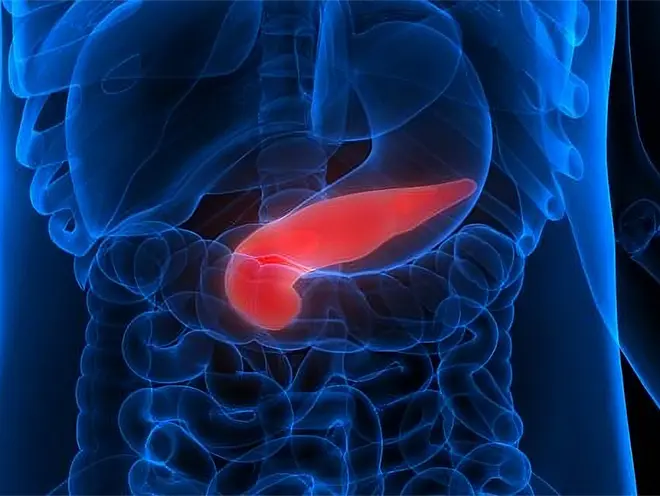
Pancreatic Cancer
Understanding Pancreatic Cancer
Pancreatic cancer begins when malignant cells develop within the tissues of the pancreas. The majority of pancreatic cancers—approximately 95%—originate in the exocrine cells responsible for producing digestive enzymes in the pancreatic ducts. This specific type is commonly referred to as pancreatic adenocarcinoma, which represents the most prevalent form of this disease.
Globally, pancreatic cancer ranks as the 12th most common malignancy. When examining gender distribution, it is the 12th most frequently diagnosed cancer in men and the 11th in women. According to recent epidemiological data, more than 495,000 new cases were identified worldwide in 2020. Statistical information from the World Health Organization indicates that in Malaysia, only approximately 3 individuals per 100,000 population have achieved survival beyond five years since 2020.
Early Detection Challenges and Prognosis
One of the most significant obstacles in managing pancreatic cancer is the difficulty in identifying the disease during its initial phases. Because symptoms often do not manifest until the disease has progressed, the majority of patients—more than 75%—receive their diagnosis when the cancer has already reached an advanced stage. This late-stage presentation substantially impacts treatment outcomes and survival rates.
The prognosis for pancreatic cancer remains challenging. Only approximately 30% of diagnosed cases qualify for surgical intervention, and the five-year survival rate following treatment is limited to just 10%. These statistics underscore the importance of exploring advanced therapeutic options beyond conventional approaches.
Benefits of Minimally Invasive Treatment Approaches
Minimally invasive treatment modalities offer significant advantages for pancreatic cancer patients by reducing the burden of conventional therapy. These advanced techniques are characterized by minimal tissue trauma, reduced side effects, and faster recovery periods compared to traditional surgical intervention and chemotherapy or radiotherapy protocols.
By utilizing minimally invasive approaches, patients can potentially avoid the complications associated with major surgical resection while simultaneously mitigating the adverse effects typically experienced with conventional radiation therapy and systemic chemotherapy. This therapeutic strategy contributes to improved quality of life and has demonstrated effectiveness in prolonging overall survival duration for both intermediate and late-stage pancreatic cancer patients.
Traditional Treatment Methods for Pancreatic Cancer
Surgical Intervention
Conventional surgery involves the removal of cancerous tissue and the excision of cervical lymph nodes that may contain metastatic disease. However, this approach is associated with significant operative trauma and carries inherent surgical risks.
Radiation Therapy
Radiation therapy is utilized as a therapeutic option for certain pancreatic malignancies. However, this treatment modality can result in substantial systemic side effects that affect patient well-being and quality of life.
Chemotherapy
Systemic chemotherapy is frequently employed as a palliative approach for patients with unresectable cancers or those with distant metastatic spread. While chemotherapy can be effective in managing disease progression, it is often accompanied by considerable toxicity and adverse effects that impact patients’ daily functioning and overall health.
Traditional Chinese Medicine Integration
Traditional Chinese medicine modalities are utilized in conjunction with standard treatments to enhance therapeutic outcomes. These complementary approaches aim to suppress cancer progression, strengthen immune function, and reduce the toxic burden associated with radiation therapy and chemotherapy, thereby improving overall treatment tolerance and patient outcomes.
Advanced Minimally Invasive Treatment Technologies
Interventional Therapy
Interventional therapy represents a minimally invasive technique performed under the guidance of advanced medical imaging equipment. This approach utilizes only a 1-2 millimeter incision through which targeted intervention is delivered. The procedure allows for direct administration of anticancer medications to tumor tissue, resulting in higher local drug concentrations—typically 2 to 8 times greater than conventional systemic chemotherapy—while producing significantly fewer systemic adverse effects. This targeted delivery mechanism enables more precise cancer cell destruction.
Nanoknife Technology
Nanoknife represents a cutting-edge ablation technology designed for advanced tumor treatment. This innovation operates through a non-thermal mechanism, utilizing high-voltage electrical pulses delivered via electrode probes. These pulses penetrate the cellular membranes of cancer cells, creating multiple nanoscale irreversible electroporation holes. This cellular disruption destroys the internal and external balance necessary for cell survival, resulting in rapid cancer cell death. The technology proves particularly valuable for tumors located in sensitive anatomical regions, including those adjacent to the hilum, gallbladder, bile duct, pancreas, and ureter.
Gene-Targeted Therapy
Gene-targeted therapy offers a refined approach to cancer management by delivering molecular-level precision in cancer cell elimination. In comparison to conventional pancreatic cancer treatment methods, this therapeutic strategy demonstrates superior accuracy and safety profiles. The approach exhibits excellent efficacy while minimizing unintended effects on healthy tissues, representing a significant advancement in personalized cancer treatment.
Combined Traditional Chinese and Western Medicine
The integration of traditional Chinese medicine principles with minimally invasive techniques creates a comprehensive treatment strategy. This combined approach achieves effective cancer cell destruction while simultaneously reducing the toxic burden of conventional treatments. The synergistic application of both modalities decreases cancer recurrence rates and substantially enhances long-term survival outcomes while maintaining improved quality of life.
Green Chemotherapy
Green chemotherapy evolved as an advanced iteration of conventional chemotherapy protocols. By circumventing the limitations inherent in systemic chemotherapy administration, green chemotherapy substantially improves therapeutic effectiveness while dramatically reducing toxic side effects. This refined chemical therapy represents a new generation of tumor treatment with enhanced efficacy and tolerability profiles.
Particle Implantation (125I Seed Implants)
Particle implantation involves the placement of radioactive 125I seeds directly within tumor tissue. These seeds continuously emit gamma radiation over an extended period—approximately 180 days—targeting cancer cells with high precision at the millimeter level. This technique achieves accurate tumor destruction with minimal invasiveness, creating few complications or systemic toxic effects compared to conventional radiotherapy approaches. The prolonged radiation emission from implanted seeds ensures sustained therapeutic benefit with reduced patient burden.
Pancreatic Cancer Stages and Five-Year Survival Rates
The staging system for pancreatic cancer reflects disease extent and provides prognostic information:
- Stage I Pancreatic Cancer: Five-year relative survival rate ranges from 12% to 14%
- Stage II Pancreatic Cancer: Five-year relative survival rate ranges from 5% to 7%
- Stage III Pancreatic Cancer: Five-year relative survival rate is approximately 3%
- Stage IV Pancreatic Cancer: Five-year relative survival rate is approximately 1%
These statistics demonstrate the progressive decline in survival outcomes as disease stage advances, emphasizing the critical importance of early diagnosis and aggressive therapeutic intervention when feasible.
Comparing Treatment Approaches
Conventional Anticancer Technologies: Limitations and Challenges
Surgical Approaches: Traditional surgical procedures involve substantial operative trauma coupled with elevated procedural risks. Recovery periods are prolonged, and patients face considerable post-operative complications.
Radiation and Chemotherapy: These conventional modalities produce formidable toxic side effects that patients must endure. Common adverse effects include alopecia (hair loss), severe nausea and vomiting, and other debilitating complications that significantly diminish quality of life during and after treatment.
Advanced Minimally Invasive Technologies: Enhanced Outcomes
Modern minimally invasive approaches offer a dramatically different therapeutic experience. These techniques require only 2-3 millimeter incisions, produce minimal side effects, and involve substantially less pain compared to conventional surgical intervention. The combination of reduced trauma, faster recovery, and improved efficacy makes minimally invasive therapy an increasingly preferred option for appropriate candidates.
The Role of Comprehensive Treatment Planning
Successful pancreatic cancer management requires individualized treatment strategies that consider disease stage, patient overall health status, and specific tumor characteristics. Contemporary cancer care emphasizes integrating multiple therapeutic modalities—including minimally invasive interventions, targeted therapy, and supportive care—to optimize outcomes and maximize both survival duration and quality of life.
The selection of treatment approach should involve detailed consultation with experienced oncologists who can evaluate the full spectrum of available options and recommend strategies tailored to each patient’s unique clinical situation.
Looking Forward: Advances in Pancreatic Cancer Care
The landscape of pancreatic cancer treatment continues to evolve with technological advancement and refined clinical protocols. While traditional approaches remain valuable components of comprehensive care, the emergence of minimally invasive technologies represents genuine progress in reducing patient burden while maintaining therapeutic effectiveness. Patients diagnosed with pancreatic cancer today have access to more options than ever before, offering improved prospects for survival and quality of life outcomes.
Medical professionals specializing in oncology possess sophisticated knowledge of these evolving treatment options and can provide individualized guidance regarding the most appropriate therapeutic strategy for each patient’s specific circumstances and disease presentation.