


Understanding Gastric Malignancy
What Is Stomach Cancer?
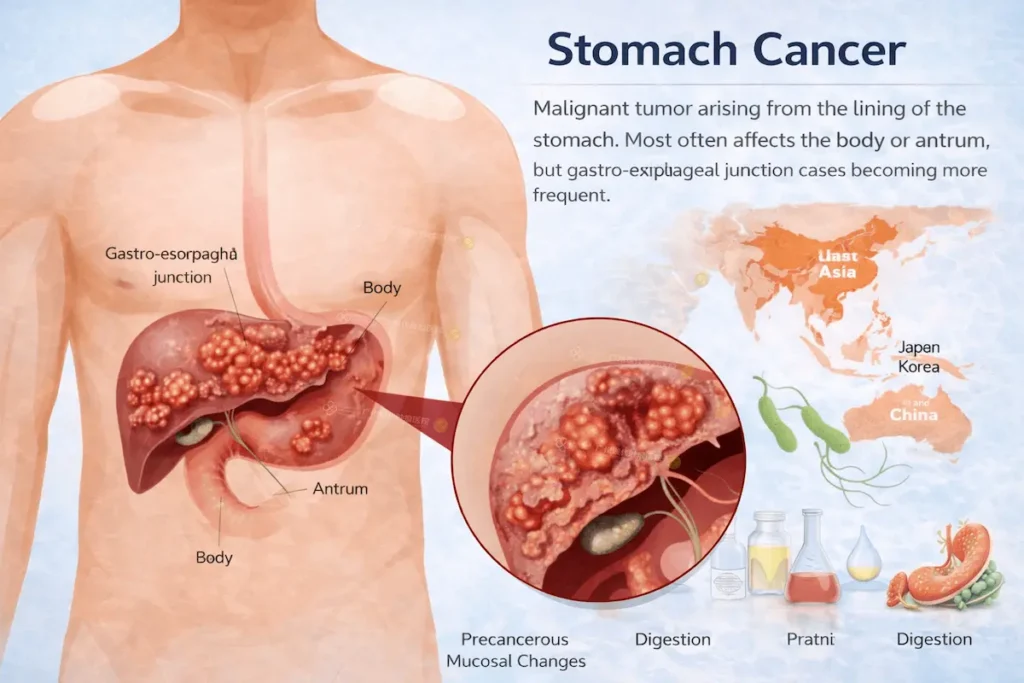
Gastric cancer, commonly referred to as stomach cancer, is a malignant disease that originates from the tissue lining the stomach walls. This condition typically develops gradually over an extended period, generally starting with abnormal changes in the stomach’s protective layer before transforming into an invasive malignancy.
The stomach serves as an essential muscular organ in the upper abdominal region, playing a vital role in the digestive process. Malignant tumors can develop in virtually any area of the stomach, though the body and antral sections are most frequently affected. In contemporary medical practice, tumors developing in proximity to the junction between the stomach and esophagus have become increasingly prevalent.
Despite worldwide reductions in incidence rates, gastric cancer continues to represent a significant cause of cancer-related fatalities globally, particularly throughout East Asian regions such as Japan, Korea, and China.
Classification of Stomach Cancer
Understanding the different types of gastric malignancies is crucial for diagnosis and treatment planning. The primary classification includes adenocarcinoma, which represents the most frequently occurring form, typically developing from glandular cells within the stomach lining.
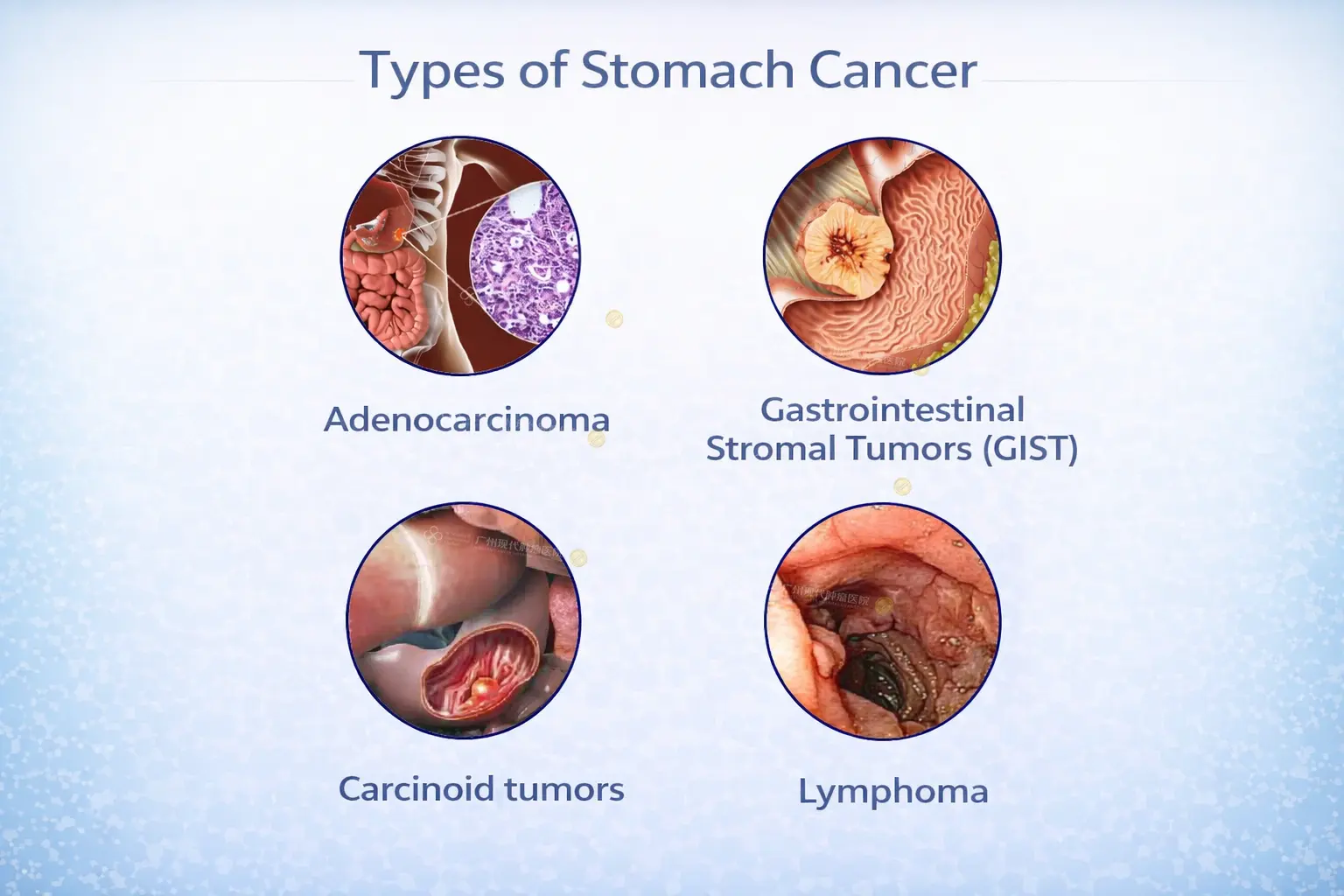
Additional gastric cancer variants include squamous cell carcinoma, which originates from flat cells lining the stomach, and small cell carcinoma, a less common but typically more aggressive form. Lymphomas originating in gastric lymphoid tissue and sarcomas developing from connective tissue elements represent other less frequent classifications.
Staging of Gastric Cancer
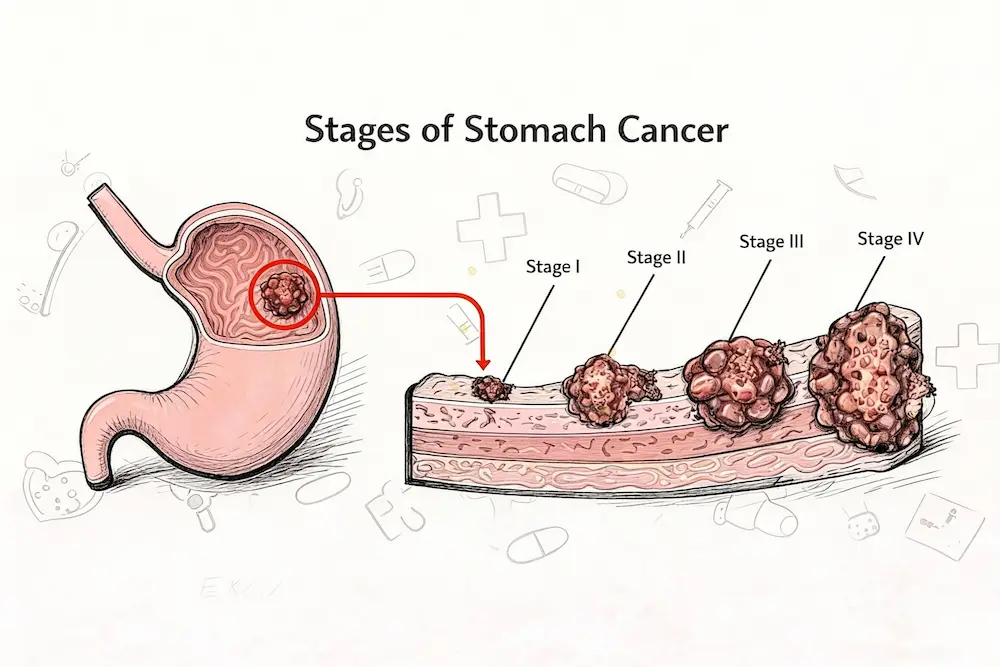
Medical professionals use a standardized staging system to evaluate the extent and severity of gastric malignancies, which considers tumor dimension, quantity, degree of vascular penetration, and the presence or absence of metastatic spread.
Early-Stage Disease
Early-stage gastric cancers feature small or limited tumoral lesions confined exclusively to the stomach structure. Patients in this category typically maintain relatively normal liver function and may experience potentially curative outcomes with appropriate therapeutic interventions.
Intermediate-Stage Disease
This stage involves multiple malignant lesions without systemic dissemination beyond the stomach. Treatment alternatives become more restricted at this juncture, necessitating more comprehensive therapeutic approaches.
Advanced-Stage Disease
Advanced presentations demonstrate invasion through the stomach walls and blood vessel involvement, often accompanied by metastatic distribution to regional lymph nodes or distant anatomical sites. Patients typically experience more pronounced clinical manifestations at this level of progression.
End-Stage Disease
Terminal gastric cancer reflects significant deterioration in organ function coupled with extensive malignant burden. Management at this phase primarily emphasizes palliative and comfort-oriented care strategies.
Risk Factors Associated with Gastric Cancer
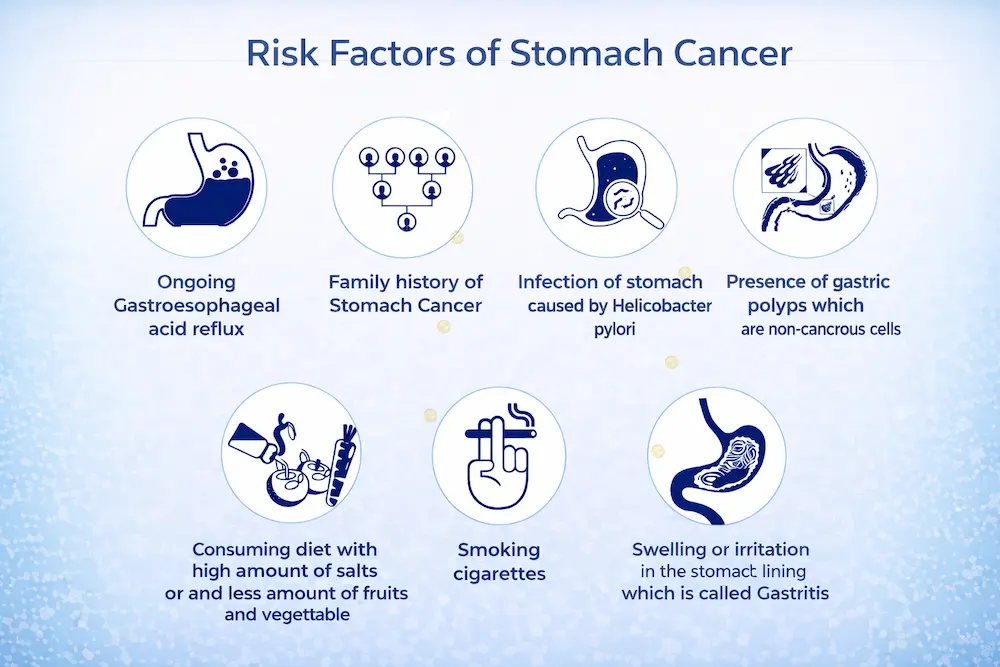
Multiple variables enhance the likelihood of developing gastric malignancy. Chronic inflammatory infections, particularly those caused by Helicobacter pylori bacteria, represent a well-established risk element. Extended exposure to this pathogen significantly elevates gastric cancer susceptibility.
Additional contributing factors include:
- Long-standing history of gastric inflammation or chronic gastritis
- Intestinal metaplasia (abnormal cellular transformation within the stomach lining)
- Presence of gastric polyps or precancerous lesions
- Family history of gastric malignancies
- Tobacco and alcohol consumption patterns
- Dietary habits emphasizing processed and salt-preserved foods
- Obesity and metabolic syndrome conditions
- Exposure to occupational carcinogens
- Previous gastric surgical procedures
- Immunocompromised states or certain genetic syndromes
Recognizing Symptoms of Gastric Cancer
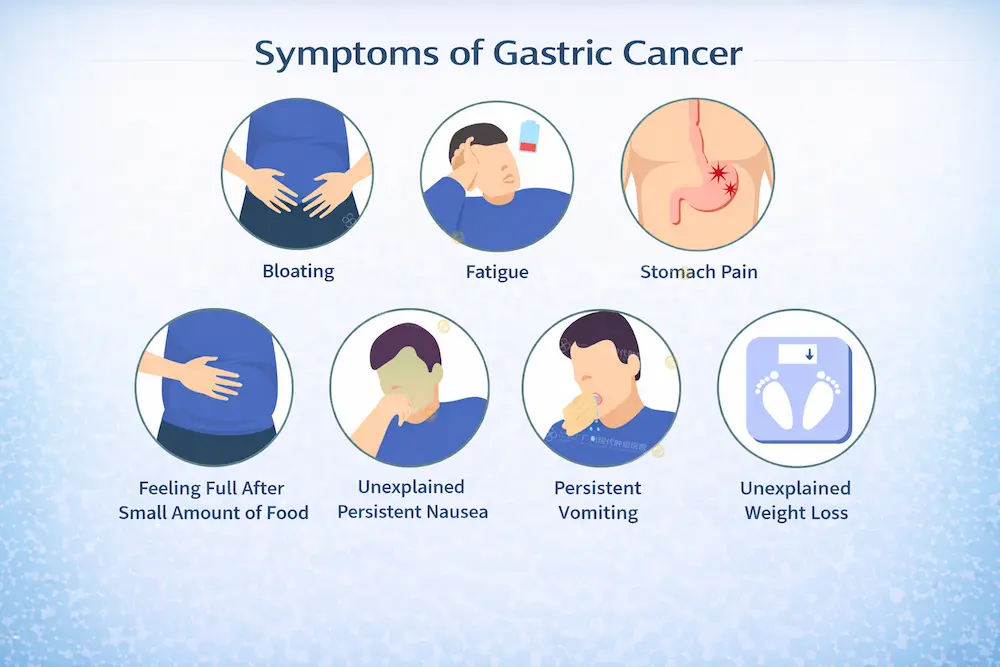
Early-stage gastric cancer frequently presents without recognizable symptoms, which complicates early identification. As the disease advances, patients typically experience:
- Persistent upper abdominal discomfort or pain
- Sensation of premature satiety (feeling full quickly)
- Difficulty swallowing (dysphagia)
- Persistent heartburn or reflux symptoms
- Involuntary weight reduction without dietary modification
- Diminished appetite or food aversion
- Nausea and vomiting episodes
- Gastrointestinal bleeding manifestations (dark-colored stools or vomited blood)
- General weakness and fatigue
- Abdominal bloating or distension
These manifestations warrant immediate medical evaluation to enable timely diagnosis and intervention.
Diagnostic Evaluation for Gastric Cancer
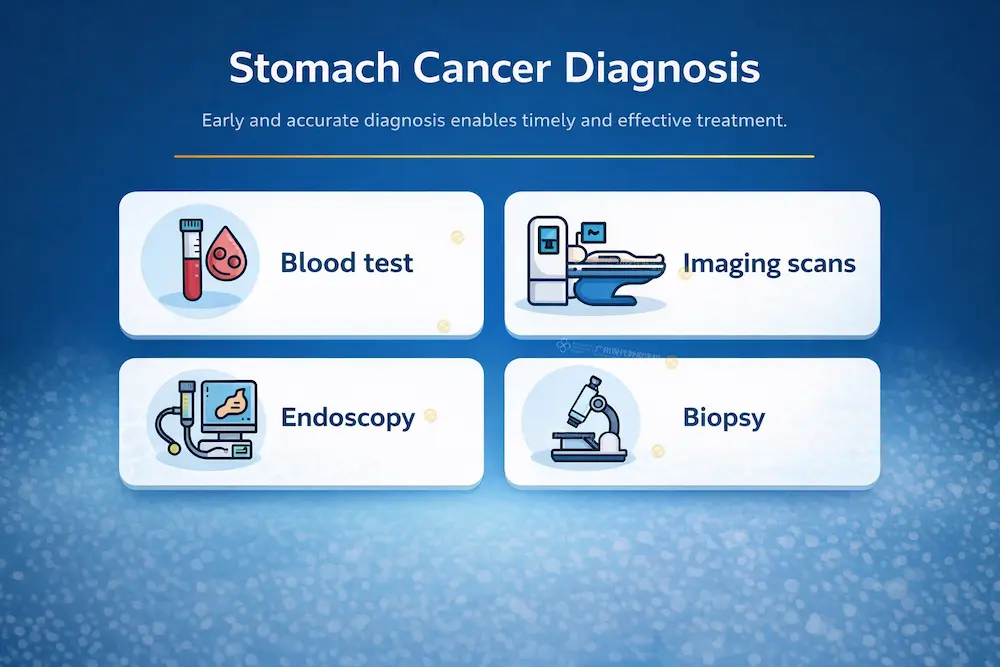
Accurate diagnosis of gastric malignancy requires a comprehensive evaluation incorporating multiple diagnostic modalities:
Laboratory Analysis
Blood examinations evaluate tumor-related markers including carcinoembryonic antigen (CEA) and carbohydrate antigen 19-9 (CA 19-9). Complete metabolic panels assess liver and kidney function, while hemoglobin levels evaluate for anemia resulting from chronic gastrointestinal bleeding.
Endoscopic Evaluation
Upper gastrointestinal endoscopy represents the primary diagnostic procedure for gastric cancer, enabling direct visualization of the stomach interior and facilitating tissue sampling for pathological examination. This procedure permits evaluation of tumor location, size, and characteristics while simultaneously obtaining diagnostic specimens.
Advanced Imaging Techniques
Computed tomography scanning with contrast enhancement provides detailed structural information regarding tumor penetration, lymph node involvement, and systemic dissemination. Magnetic resonance imaging offers superior soft tissue characterization in select cases. Positron emission tomography (PET) scanning identifies metabolically active disease and distant metastases.
Pathological Analysis
Tissue biopsy obtained during endoscopy provides definitive histological diagnosis, confirming malignancy and identifying specific cellular subtypes. Immunohistochemical staining evaluates specific biomarkers guiding targeted therapeutic strategies.
Traditional Treatment Approaches for Stomach Cancer
Surgical Intervention
Gastrectomy, involving partial or complete stomach removal, combined with systematic regional lymph node dissection, remains the foundation of potentially curative therapy for resectable gastric cancers. The extent of surgical resection depends on tumor location, size, and stage.
Chemotherapeutic Management
Systemic chemotherapy administers anticancer medications intravenously or orally to eliminate cancer cells throughout the body. Perioperative chemotherapy (administered before and after surgical resection) improves survival outcomes in advanced gastric cancers. For advanced or metastatic disease, chemotherapy serves as palliative therapy to manage symptoms and potentially extend survival duration.
Radiation Therapy
Radiotherapy utilizes high-energy radiation beams to target and destroy malignant cells within the stomach and surrounding tissues. This modality may be employed as monotherapy or in combination with chemotherapy and surgery for comprehensive disease management.
Integrated Traditional Chinese Medicine
Complementary traditional Chinese medicine approaches incorporate herbal formulations and therapeutic techniques designed to inhibit malignant progression. These integrative strategies aim to enhance immune function, diminish treatment-related toxicities, and improve overall quality of life during cancer management.
Minimally Invasive Treatment Technologies
Interventional Therapy
Image-guided interventional procedures represent innovative minimally invasive approaches for gastric cancer treatment. These techniques utilize sophisticated medical imaging technology to precisely target tumoral lesions through tiny puncture sites, typically requiring only 1-2 millimeter incisions. This approach minimizes trauma to surrounding healthy tissue while delivering therapeutic agents directly to cancer cells.
Cryotherapy (Cryoablation)
Cryotherapy employs extreme cold temperatures generated by specialized probes to freeze and destroy malignant cells. This technique combines ancient cryogenic principles with modern medical technology to achieve precise tumor elimination with reduced damage to adjacent normal tissue.
Combination Ablation (Combined Knife Technology)
The Combined Knife represents an advanced ablation system utilizing liquid-nitrogen based cryogenic freezing technology integrated with thermal heating mechanisms. This sophisticated approach enables controlled sequential freezing and thawing cycles to maximize cancer cell destruction through precise thermal manipulation.
Nanoknife Technology
Nanoknife represents cutting-edge ablation technology employing high-voltage electrical pulses delivered through specialized electrodes. This irreversible electroporation mechanism creates nanometer-scale pores in tumor cell membranes, leading to cellular dysfunction and death while preserving nearby vital structures.
Radiofrequency Ablation
Radiofrequency ablation utilizes alternating electrical currents to generate localized heat, destroying malignant tissue through thermal necrosis. This image-guided technique allows precise energy delivery concentrated on targeted lesions while minimizing injury to surrounding healthy structures.
Drug-Eluting Bead Transcatheter Arterial Chemoembolization (DEB-TACE)
DEB-TACE represents an innovative interventional technique where chemotherapeutic agents are encapsulated within microscopic polymer beads. These specialized beads are delivered directly to tumor-supplying blood vessels, simultaneously blocking blood supply while releasing concentrated medication directly at the malignant site.
Frequently Asked Questions About Stomach Cancer
Can gastric cancer be prevented?
While complete prevention cannot be guaranteed, several protective strategies substantially reduce risk. Screening and treatment of Helicobacter pylori infection, elimination of tobacco and excessive alcohol consumption, increased consumption of fresh fruits and vegetables, reduction of processed food intake, and maintenance of healthy body weight all contribute to risk reduction.
Is stomach cancer curable?
Early-stage gastric cancers identified before significant spread demonstrate substantially improved curative potential, particularly when surgical resection can be achieved with clear margins. Advanced stages, while potentially manageable, generally carry less favorable outcomes, though contemporary therapies continue to extend survival and improve quality of life.
Who should undergo screening?
Individuals with risk factors including chronic Helicobacter pylori infection, extensive family history of gastric cancer, atrophic gastritis, intestinal metaplasia, or those residing in high-incidence geographic regions should discuss screening recommendations with their healthcare provider.
What prognostic factors influence survival?
Critical factors affecting outcomes include disease stage at diagnosis, tumor histological characteristics, extent of lymph node involvement, presence or absence of metastatic disease, performance status of the patient, and molecular biomarkers predicting treatment response.
Are there specific biomarkers guiding treatment selection?
Contemporary molecular testing identifies specific mutations and protein overexpression patterns (such as HER2, MSI status, and PD-L1 expression) that guide selection of targeted immunotherapy and specialized treatment strategies, enabling personalized cancer management approaches.
What quality of life considerations apply following gastrectomy?
Post-operative patients may experience dietary modifications, nutritional supplementation requirements, and potential postgastrectomy syndromes. Specialized nutritional counseling and supportive care strategies optimize recovery and long-term functional outcomes.