

A Decade of Triumph: Interventional Therapy Defeats Advanced Nasopharyngeal Cancer
Celebrating Nine Years of Successful Cancer Recovery
In November 2014, Anni Ibriah traveled from Surabaya, Indonesia to St. Stamford Modern Cancer Hospital Guangzhou to undergo minimally invasive interventional therapy for stage IV nasopharyngeal cancer. Nine years later, in November 2023, she returned to the hospital as a cancer survivor to share her remarkable story at the “Come-home Gala of Anti-cancer Stars,” an annual celebration honoring long-term cancer fighters who have reclaimed their lives through treatment at the facility.
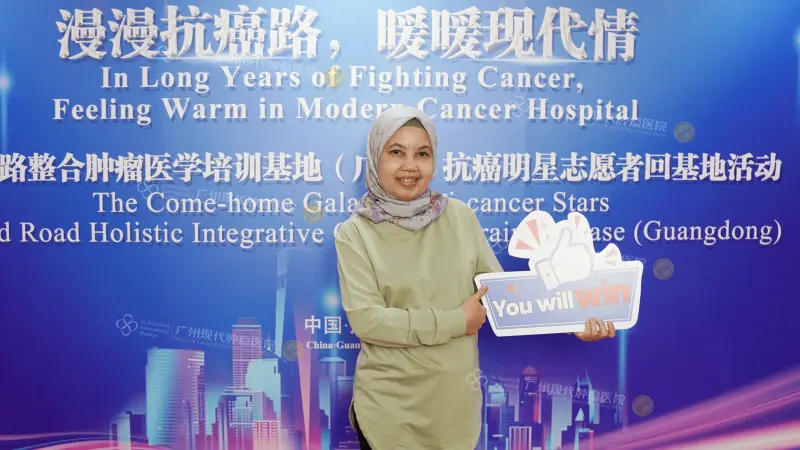
Reflecting on her journey, Anni expressed genuine happiness about her return to the place that helped restore her health. Many individuals fear discussing cancer, but her treatment experience exceeded all expectations. “The doctors initially told me I would need four interventions due to my stage IV diagnosis,” she explained. “However, after just two procedures, my CT imaging revealed that the tumor had nearly vanished entirely. The results were far better than anticipated, and I felt incredibly hopeful.”
Overcoming Practical Concerns During International Treatment
Before committing to treatment abroad, Anni harbored legitimate worries about language barriers and dietary adjustments. These concerns proved unfounded. “The hospital provided professional translators who accompanied me throughout every step—appointments, examinations, and treatments,” she noted. “Communication was seamless, and I felt truly supported throughout my stay.”
Regarding nutrition, the hospital offered flexibility. Patients could prepare meals independently in dedicated kitchen facilities, and numerous restaurants operated nearby the medical center. Additionally, individuals received permission to leave and return to the hospital freely during their treatment period. “The entire experience felt less like undergoing medical treatment and more like embarking on a therapeutic journey,” Anni remarked with evident satisfaction.
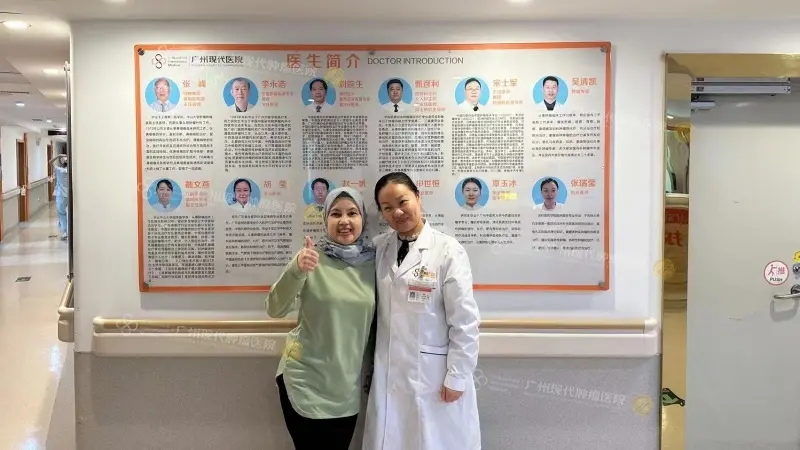
A Message of Hope for Current and Future Patients
At the celebration event, Anni shared her philosophy on cancer survival with other patients and their families. She emphasized the importance of three core principles:
- Maintaining unwavering determination in the battle against disease
- Preserving an optimistic mindset and belief in oneself
- Following medical guidance consistently and carefully
“St. Stamford Modern Cancer Hospital’s eighteen advanced anti-cancer technologies, combined with their minimally invasive treatment philosophy and multidisciplinary team approach, enabled me to overcome this disease,” she explained. “My story demonstrates that patients can successfully fight cancer quickly and effectively by choosing the right treatment method and the right facility. I hope my experience helps others navigate their cancer journey without detours and achieve rapid victory over their disease.”
The Beginning: Recognizing Symptoms That Were Not Ordinary
In September 2014, Anni began experiencing unusual symptoms: persistent ringing in her ears and a sensation of blockage in her left nostril. Initially, she dismissed these complaints as typical signs of a common cold. When she visited a local ear, nose, and throat specialist in Indonesia, the physician reassured her that nothing serious existed and prescribed basic vitamin supplementation.
Weeks passed, but the symptoms intensified rather than resolved. Both nostrils gradually became obstructed, making even breathing a challenge. The continuous tinnitus severely disrupted her professional responsibilities and personal life. Nighttime proved particularly difficult—the persistent ringing prevented sleep and caused emotional distress.
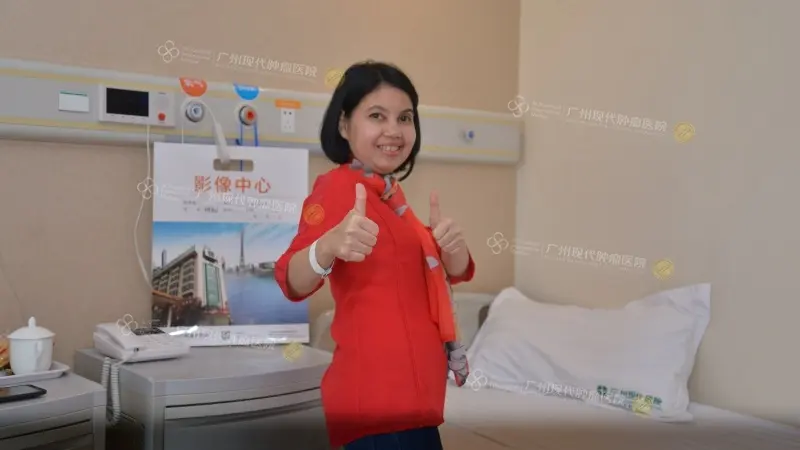
The situation worsened when Anni discovered a firm mass behind her ear. These alarming physical changes prompted her to seek additional medical evaluation. At an Indonesian hospital, imaging studies and physical examination led to a devastating diagnosis: stage III nasopharyngeal cancer.
The diagnosis initially devastated Anni emotionally. She questioned whether the results could possibly be accurate. However, when confirmation came from multiple medical centers, she made a crucial decision. “For my family, I cannot surrender to this disease,” she resolved. Choosing optimism over despair, she began actively researching treatment options.
Seeking Alternatives to Conventional Chemotherapy and Radiation
Accompanied by her supportive husband, Anni consulted with oncologists throughout Indonesia. Unfortunately, each medical professional recommended the same conventional approach: immediate chemotherapy combined with radiotherapy. The prospect of these treatments deeply troubled her. Knowledge of the typical side effects—severe nausea, hair loss, general debilitation—made both Anni and her husband reluctant to proceed with this path.
Their situation shifted dramatically when her husband discovered information about St. Stamford Modern Cancer Hospital Guangzhou online. Encouraged by the comprehensive details regarding available treatments and technologies, they visited the hospital’s representative office in Jakarta. “The oncologists there provided free consultation and explained their treatment costs and advanced technological capabilities,” Anni recounted. “After thorough discussion with my family, we decided to pursue treatment in Guangzhou.”
An Unexpected Setback: Disease Progression Before Treatment
In November 2014, Anni arrived at the hospital for her initial comprehensive evaluation. The results shocked her entire family. In the less than two months since her Indonesian diagnosis, her condition had deteriorated significantly—the cancer had advanced from stage III to stage IV nasopharyngeal cancer.
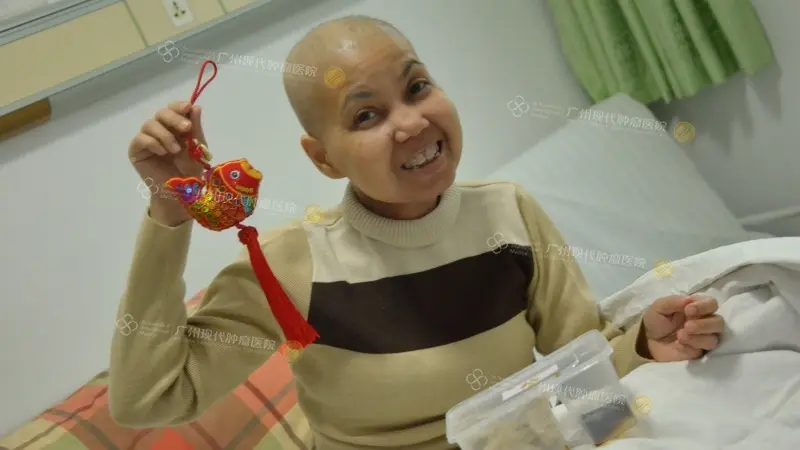
Despite this sobering development, the hospital’s multidisciplinary team immediately convened. Specialists from more than ten departments including radiology, interventional oncology, and medical oncology collaborated to develop a comprehensive treatment strategy specifically tailored to Anni’s advanced disease. They recommended minimally invasive interventional therapy as the optimal approach.
Minimally Invasive Intervention: A Life-Changing Treatment
Three days following her hospital admission, Anni underwent her first interventional therapy session. The experience differed markedly from conventional surgical procedures. “The entire procedure lasted approximately one hour and concluded without extensive trauma to my body,” she explained. “The team used local anesthesia, so I remained fully conscious throughout. I could even feel the therapeutic medication being carefully introduced through my thigh. Remarkably, I experienced no discomfort during the process.”
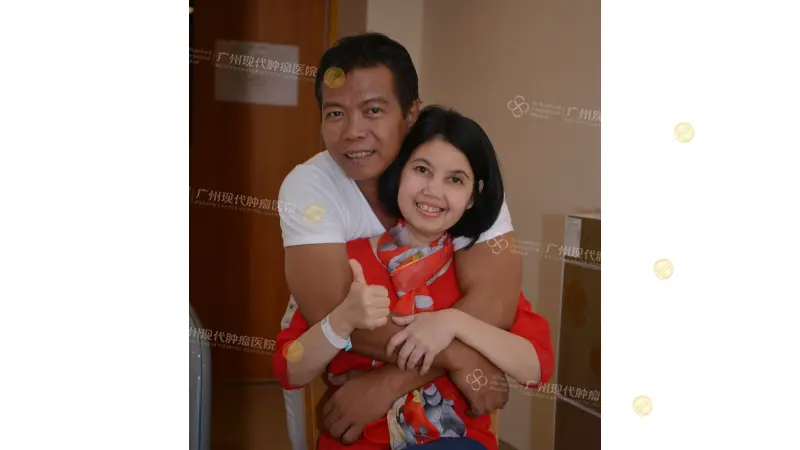
The results proved almost miraculous. Immediately following her initial intervention, Anni’s tinnitus completely disappeared. The nasal obstruction resolved. The hard mass behind her ear gradually softened and diminished substantially. For Anni, who had arrived at the hospital frightened and emotionally exhausted, these rapid improvements provided immeasurable psychological relief.
When the time arrived for her second interventional therapy, Anni approached the procedure with confidence rather than anxiety. She cooperated willingly with the medical team and awaited the outcome with optimism.
By January 2015, after completing her second interventional therapy, imaging studies demonstrated that tumor cells had lost all biological activity. The hospital determined that no additional interventions were necessary. Instead, Anni would return periodically for surveillance examinations. “All my previous symptoms—the nasal congestion and ear ringing—vanished completely, and I could barely detect any residual mass behind my ear,” she described with evident joy.
Three Years Later: Complete Tumor Disappearance and Sustained Remission
In August 2017, approximately three years following her treatment, Anni received follow-up imaging results from her treating physician. The news brought tremendous joy to her entire family. Advanced CT imaging demonstrated complete disappearance of tumors that had previously existed in both the nasopharyngeal region and behind her ear. Most importantly, no evidence of cancer recurrence appeared anywhere on the studies.
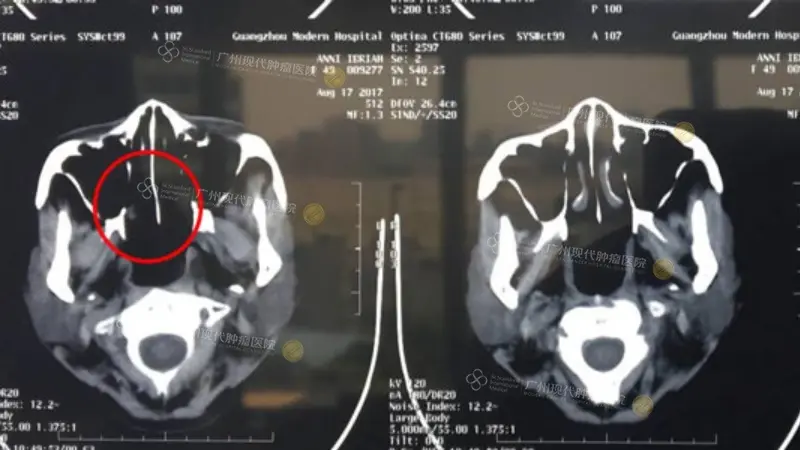
Three years into her recovery journey, Anni enjoyed excellent physical health and emotional wellbeing. No one observing her today would suspect that she had previously battled advanced stage IV nasopharyngeal cancer. Her transformation exemplifies the remarkable potential for successful cancer recovery when patients access appropriate medical technology and compassionate, expert care.