

How Stem Cell Therapy Restored Hope for a Liver Cirrhosis Patient
A Long Struggle with Alcohol-Related Liver Disease
Mohandas, a 54-year-old resident of Sri Lanka, spent more than two decades battling a serious addiction to alcohol. This prolonged substance abuse eventually caught up with him, and five years prior to seeking treatment, he received a diagnosis of liver cirrhosis. The progressive nature of his condition meant dealing with recurring episodes of abdominal bloating, minimal appetite, persistent fatigue, and sleep disturbances.
The emotional toll extended beyond his own suffering. Family members grew increasingly anxious watching his health decline. He found himself dependent on continuous medication, creating a vicious cycle of worry for loved ones. The weight of regret pressed heavily on him as he acknowledged how his past choices had derailed what should have been a period of enjoying life’s simple pleasures alongside family.
As time progressed, his liver disease worsened dramatically. Three months preceding his decision to seek specialized care, his condition reached the decompensation stage—a critical phase marked by severe fluid accumulation in his abdomen and significant swelling in his lower extremities. These complications severely restricted his daily activities and quality of life.
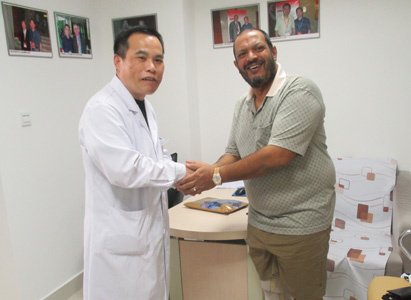
Faced with escalating health crises, Mohandas and his family began researching alternative therapeutic options. Their investigation revealed promising results from stem cell-based treatments for cirrhosis patients, with cutting-edge research and clinical applications being conducted in medical centers across China. Despite some initial skepticism, the potential for meaningful improvement motivated the family to pursue this avenue.
The Decision to Seek Innovative Treatment
Mohandas entered the hospital facility during March 2014 with cautious optimism. He later reflected on his initial mindset, explaining that he arrived with modest expectations—essentially willing to attempt any viable option if it might alleviate his family’s distress. The turning point came just days into his hospitalization. On March 29th, he received his first stem cell infusion treatment, and remarkably, positive changes began manifesting within several days.
“The transformation was noticeable quite rapidly,” Mohandas recalled. “When I first arrived in the facility, my legs were severely swollen and I felt utterly drained. However, following the stem cell procedure, the swelling gradually subsided and strength gradually returned to my limbs.”
Embracing an Active Lifestyle During Recovery
Rather than remaining confined to his hospital room, Mohandas adopted a proactive approach to his recovery. He viewed the promising treatment response as motivation to stay mobile and engaged rather than surrendering to a “professional patient” mentality. Regular walks in the vicinity of the medical facility became part of his daily routine, helping rebuild his physical capacity.
Beyond physical rehabilitation, he actively participated in recreational programs and social activities organized by hospital staff. These experiences proved psychologically restorative. During one excursion in late March, accompanied by a hospital interpreter, Mohandas toured various landmarks and cultural sites throughout Guangzhou, immersing himself in local traditions and scenery.
“During these activities and outings, I didn’t feel like a patient managing disease,” Mohandas shared. “Instead, I experienced what it felt like to be a healthy individual again, recapturing that sense of living fully as I had before illness took hold.”
Even as residual swelling occasionally reminded him of his medical condition, Mohandas refused to adopt a defeated mindset. He had rediscovered something precious during his treatment journey—the courage and determination to reclaim his life. He even expressed interest in exploring other regions of China should additional opportunities arise.
Discharge and Return to Normal Living
The day Mohandas left the hospital marked a significant milestone in his recovery journey. By then, the abdominal fluid accumulation had substantially diminished, lower limb swelling had noticeably improved, his appetite had returned to healthier levels, and his emotional state had transformed from despair to optimism.
His medical team provided comprehensive guidance for sustained wellness: adherence to dietary modifications, participation in gentle physical activity appropriate to his capacity, and complete avoidance of alcohol and tobacco use. These lifestyle adjustments would prove essential for maintaining the gains achieved through stem cell therapy.
On April 18th of that year, Mohandas boarded a return flight to Sri Lanka. Dressed in light clothing and displaying a broad smile, he bid farewell to the medical professionals and interpreters who had supported his treatment. The contrast between his departure and arrival was striking—a patient who had arrived weakened and desperate now left with renewed vitality and optimism.
“Stem cell therapy has opened a door to fresh possibilities for my life,” Mohandas reflected. His experience serves as compelling evidence that even patients facing advanced liver disease may find hope through innovative treatment approaches. Today, Mohandas continues his recovery journey in his homeland, carrying forward the lessons learned and maintaining the disciplined lifestyle necessary to preserve his restored health and reclaim the life stolen by cirrhosis.