

An Indonesian Student’s Fight Against Hodgkin Lymphoma
An Unexpected Diagnosis
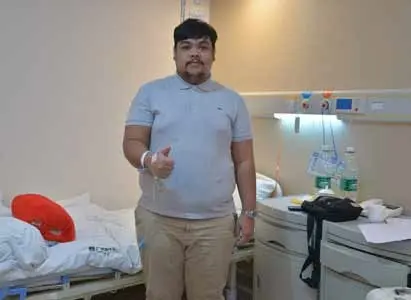
Muhammad Fakhri was a university student in Indonesia with his whole future ahead of him. Like most people in their early twenties, he had plans, ambitions, and a life he was looking forward to. That sense of direction was upended in October 2017, when he began noticing an unexplained tightness in his chest.
Concerned, Fakhri visited a local hospital in Indonesia for evaluation. A CT scan revealed two masses in his chest, measuring roughly 5 cm and 2 cm, which doctors identified as mediastinal tumors. Further diagnostic work confirmed that Fakhri had developed Hodgkin lymphoma.
Finding Reassurance in Family Experience
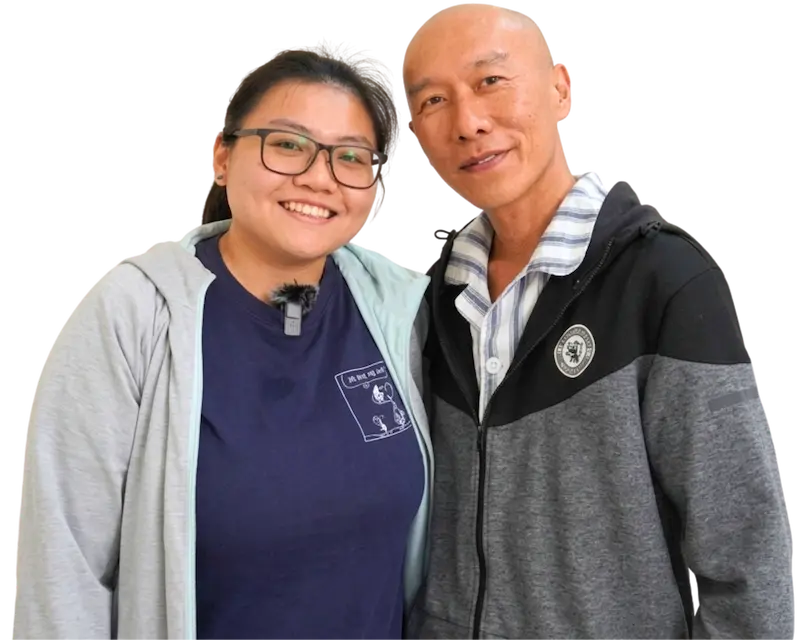
News of a cancer diagnosis is rarely easy to absorb, and Fakhri’s family was understandably rattled. Yet they weren’t approaching the situation entirely blind. Several years earlier, in 2014, Fakhri’s aunt had been diagnosed with stage IV nasopharyngeal cancer. After undergoing two rounds of minimally invasive treatment at St. Stamford Modern Cancer Hospital Guangzhou, she recovered well and remained free of any signs of cancer returning.
His aunt spoke highly of her experience overseas, describing the hospital’s approach to diagnosis and treatment as noticeably more advanced than what was available locally. That firsthand account gave Fakhri and his family the confidence to consider treatment abroad rather than staying with local options alone.
Traveling to Guangzhou for Treatment
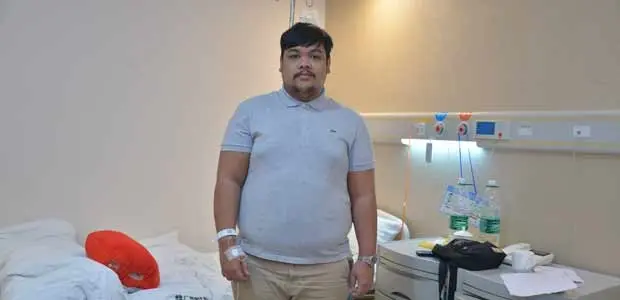
On November 30, 2017, Fakhri and his mother boarded a flight to Guangzhou. A hospital car met them on arrival and brought them safely to St. Stamford Modern Cancer Hospital Guangzhou.
Once admitted, Fakhri underwent a full diagnostic work-up conducted by the hospital’s multidisciplinary team (MDT), which confirmed the Hodgkin lymphoma diagnosis. After reviewing his case, the team recommended a combined approach: interventional therapy paired with particle implantation.
Before treatment began, Fakhri’s attending doctor, Dr. Hu Ying, walked him through exactly what the interventional procedure would involve. Combined with the reassurance his aunt had already given him about minimally invasive techniques, Fakhri went into treatment without the anxiety he might otherwise have felt.
Interventional Therapy and Particle Implantation
The interventional procedure involved delivering anti-cancer medication directly through the thigh. Fakhri described the sensation as a mild warmth, without significant discomfort during the procedure itself. Afterward, he experienced only slight nausea and no other notable side effects. Most importantly, the tightness that had troubled his chest began to ease, and he felt noticeably more comfortable.
About a week later, Fakhri underwent particle implantation as the second stage of his treatment plan. Following the procedure, his overall condition continued to improve to the point that he was able to go sightseeing without anyone realizing he was undergoing cancer treatment.
Key Elements of Fakhri’s Treatment Plan
- Full diagnostic evaluation by a multidisciplinary treatment team
- Interventional therapy to deliver targeted anti-cancer medication
- Particle implantation performed roughly one week later
- Close monitoring of side effects and recovery progress
Encouraging Results Before Discharge
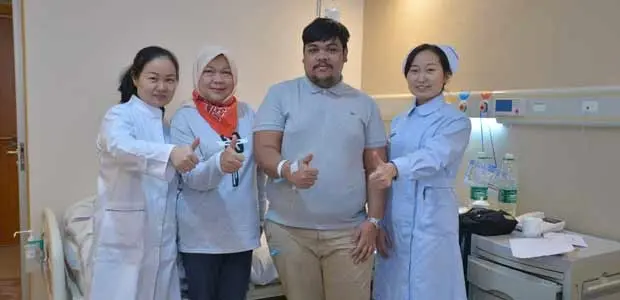
Prior to leaving the hospital, Fakhri’s attending physician shared good news: follow-up CT imaging showed that his tumors had shrunk considerably, and his condition was being effectively managed. The only remaining requirement was for Fakhri to return periodically for follow-up reviews.
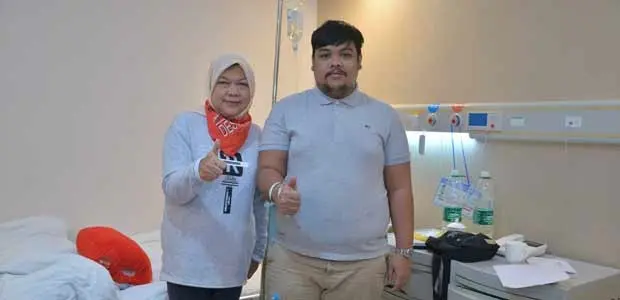
Fakhri and his family expressed heartfelt thanks to his physician and the wider medical team for the care they received throughout his time at the hospital.
 ]
]
Looking Ahead
With his health stabilizing, Fakhri’s thoughts turned back to ordinary life. He spoke of returning to his studies as a way of honoring the support and care shown to him by everyone who helped him through his hospitalization.