

From Darkness to Light: Bastari’s Journey Through Advanced Stomach Cancer
The Diagnosis That Changed Everything
At 53 years old, Bastari, a resident of Jakarta, Indonesia, had been experiencing troubling digestive symptoms for quite some time. A persistent discomfort in his upper abdomen would intensify before eating and gradually improve after meals. Concerned about the prolonged nature of these symptoms, he decided to seek medical evaluation in Malaysia. The investigation revealed a diagnosis that would alter the course of his life—gastric malignancy with advanced characteristics, classified as Stage III disease.
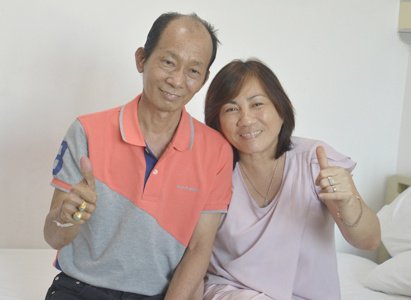
The revelation came as a profound shock to Bastari and his entire family. Though he had anticipated some form of gastric pathology, the reality of cancer diagnosis was far more devastating than he could have imagined. His wife and son, upon hearing the news, struggled to maintain composure, yet rallied together to provide emotional support during this critical moment. The emotional toll was substantial, but the family’s collective resolve began to crystallize the necessity of finding an appropriate therapeutic solution.
Reconsidering Treatment Options
Following the diagnostic confirmation, Bastari’s medical team in Malaysia recommended conventional surgical resection combined with systemic chemotherapy—the traditional approach to advanced gastric cancer management. However, Bastari harbored significant reservations about these conventional interventions. He was acutely aware that traditional surgery and chemotherapy regimens could impose substantial physiological and psychological burdens on cancer patients, potentially compromising quality of life and overall recovery prospects.
Rather than immediately accepting the recommended pathway, Bastari chose to pause and explore alternative therapeutic approaches. With the steadfast encouragement and companionship of his wife and son, he shifted his mindset toward seeking innovative treatment modalities that might offer comparable efficacy with reduced morbidity. This decision to look beyond convention became the turning point in his journey.
A Recommendation From an Unexpected Source
Fortune intervened through a meaningful connection from Bastari’s past. An old friend, who had also battled cancer, had recently undergone treatment at Modern Cancer Hospital Guangzhou and experienced remarkable therapeutic outcomes. Observing Bastari’s struggle with his diagnosis, this friend enthusiastically recommended the hospital and shared his own success story. The friend’s positive testimony and evident recovery provided Bastari with renewed confidence and a tangible path forward.
Encouraged by his friend’s firsthand experience and driven by the collective determination of his family, Bastari made the consequential decision to pursue treatment in China. On January 24, 2015, he and his wife embarked on the journey to Modern Cancer Hospital Guangzhou, carrying with them hope and the resolve to pursue a different treatment philosophy.
Individualized Treatment Planning and Implementation
Upon arrival at the facility, Bastari underwent comprehensive diagnostic evaluation and imaging studies to precisely characterize his malignancy. The hospital’s Multidisciplinary Team (MDT), comprising specialists from various oncological disciplines, convened to develop a personalized therapeutic protocol tailored specifically to his clinical presentation and individual circumstances.
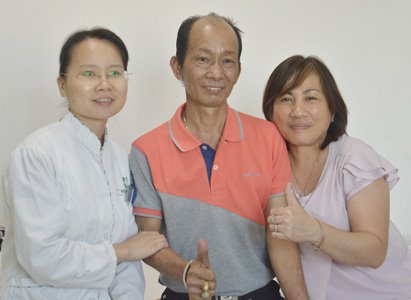
The treatment regimen integrated multiple advanced therapeutic modalities designed to target his cancer while preserving physiological function and maintaining quality of life. The approach represented a paradigm shift from the conventional single-modality treatments he had initially considered.
Remarkable Progress and Clinical Response
From the date of his initial hospitalization through August 25, 2015, Bastari’s disease demonstrated exceptional responsiveness to the integrated treatment protocol. The tumor burden diminished substantially, with imaging studies documenting an impressive 80% reduction in tumor mass. More significantly, Bastari tolerated the therapeutic interventions remarkably well, experiencing minimal adverse effects that frequently accompany aggressive cancer treatments.
His nutritional status remained robust, with appetite and oral intake remaining at satisfactory levels throughout the treatment course. Sleep quality was preserved, and his overall functional capacity remained good. These observations collectively indicated that the treatment strategy was achieving disease control while simultaneously protecting Bastari’s physiological wellbeing and quality of life.
A particularly poignant aspect of Bastari’s experience involved photodynamic therapy, a light-based treatment modality. Due to the photosensitizing medications used in this approach, Bastari was required to remain isolated from direct light exposure for a 15-day period. The conclusion of this light-avoidance phase held profound symbolic meaning for him—the darkness that had surrounded his illness and uncertainty could now yield to light, both literally and metaphorically.
Transformation and Future Outlook
The medical team emphasized to Bastari the critical importance of psychological resilience and maintaining an optimistic perspective throughout his cancer journey. Heeding this counsel, he consciously avoided rumination and catastrophic thinking, instead focusing on the present therapeutic process and the companionship of his family. This mental discipline complemented the medical interventions, creating a holistic approach to healing.
Having navigated through this harrowing experience, Bastari’s outlook on life has been profoundly transformed. He expresses deep gratitude toward Dr. Lin Jing for her meticulous clinical care and compassionate approach, and he holds the hospital’s environment, support systems, and professional standards in high regard. The experience has instilled in him a renewed appreciation for life and the precious time he shares with his family.
Looking forward, Bastari harbors aspirations beyond merely surviving his diagnosis. He envisions traveling the world with his wife, experiencing new cultures and places. Furthermore, he has conceived an ambition to volunteer his time and experience toward supporting other cancer patients who may be navigating similar diagnostic and therapeutic challenges. His personal journey through darkness into light has awakened a desire to illuminate the path for others facing comparable struggles.
Continued Treatment and Outlook
Bastari’s treatment journey continued with planned second-phase photodynamic therapy interventions designed to address the remaining 20% of tumor burden. The medical team maintained an optimistic yet realistic perspective regarding the capacity to achieve further disease reduction and potentially complete remission.
As Bastari progresses through his continued treatment protocol with the steadfast support of his family and the expert guidance of his medical team, hopes remain high for sustained disease control, improved quality of life, and the realization of his aspirations for a fulfilling future beyond cancer.