

Building Hope Through Minimally Invasive Treatment for Breast Cancer
A Nurse’s Journey with Early-Stage Breast Cancer
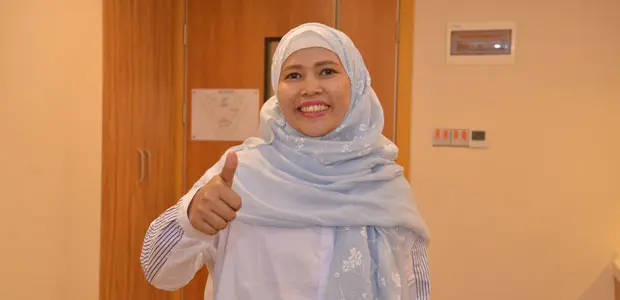
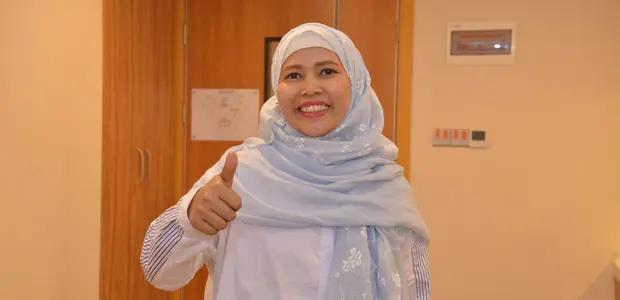
Working as a healthcare professional in Indonesia, I never imagined I would become a patient myself. In April 2017, my life took an unexpected turn when medical imaging revealed a suspicious mass in my left breast. The diagnosis of stage II breast cancer struck both my husband and me like a thunderbolt. Fear and disbelief consumed our thoughts during those initial days following the diagnosis.
However, our anxiety was tempered by an unexpected source of comfort and encouragement. My 10-year-old son, despite his young age, displayed remarkable maturity and compassion. He actively researched hospital options, even asking his teachers for recommendations. His unwavering belief that his mother would get better became a pillar of strength for our entire family during this uncertain period.
Seeking Answers: A Multi-Country Search for Treatment
As someone trained in nursing, I understood the limitations of available oncological care within Indonesia. My family and I began exploring treatment options across different countries. We travelled to Malaysia first, where local physicians recommended conventional surgical intervention. We then extended our search to Singapore, receiving the same surgical recommendation from specialists there.
Given the presence of family members in Malaysia, I decided to proceed with surgery in that country. The procedure was performed on April 28, 2017. However, even after undergoing this intervention, uncertainty remained regarding optimal follow-up care and strategies to address residual disease.
Discovering Alternative Approaches to Cancer Management
Prior to choosing surgery in Malaysia, I had actually learned about St. Stamford Modern Cancer Hospital in Guangzhou through online research and their satellite office representatives. Their approach to minimally invasive treatments intrigued me significantly. However, several obstacles prevented me from pursuing treatment there at that time: the considerable geographical distance, communication barriers, financial uncertainties, and frankly, a degree of hesitation about embracing an unfamiliar treatment methodology.
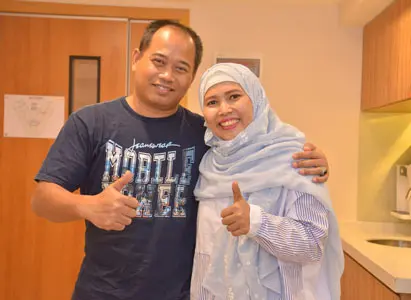
The turning point came through a personal connection that would ultimately reshape my cancer journey. A friend who had previously battled breast cancer herself shared her remarkable recovery experience. Remarkably, she had undergone minimally invasive treatment at the same hospital in Guangzhou. Her account was particularly compelling because she compared her own relatively mild side effects to the severe complications suffered by other breast cancer survivors in our circle who had undergone conventional chemotherapy and radiotherapy in Malaysia and Indonesia. Her testimony dissolved my apprehensions and provided the confidence I needed to make this decision.
By May 24, 2017, I arrived at St. Stamford Modern Cancer Hospital in Guangzhou to begin a new chapter in my treatment trajectory.
The Multidisciplinary Approach: Precision Treatment Planning
Upon arrival at the hospital, the medical team’s comprehensive assessment led to the formulation of an integrated treatment strategy. The Multidisciplinary Team developed a protocol combining two therapeutic modalities designed to work synergistically:
- Interventional therapy – specifically targeting and eliminating malignant cells remaining in my left breast following the previous surgical intervention
- Natural therapy (gene-targeted therapy) – working to strengthen immune function and enhance the body’s capacity to resist cancer recurrence
What distinguished this treatment regimen was the remarkable absence of debilitating side effects. Unlike conventional chemotherapy which often renders patients bedridden or severely fatigued, this combined approach allowed me to maintain my regular daily routine. I attended social gatherings, managed household responsibilities, and engaged in normal activities without the physical devastation typically associated with systemic cancer treatment.
Three Months of Transformation
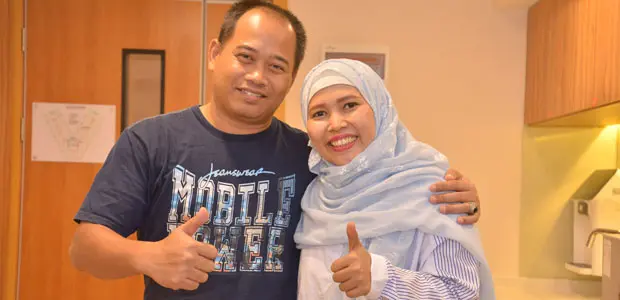
The subsequent three months brought consistently encouraging clinical results. Medical assessments demonstrated meaningful reduction in tumor burden and improved tissue response. More significantly, my friends and family noted that I no longer appeared or behaved as someone battling a serious illness. Their frequent comment was that I seemed like a completely different person—someone who had been given a second lease on life.
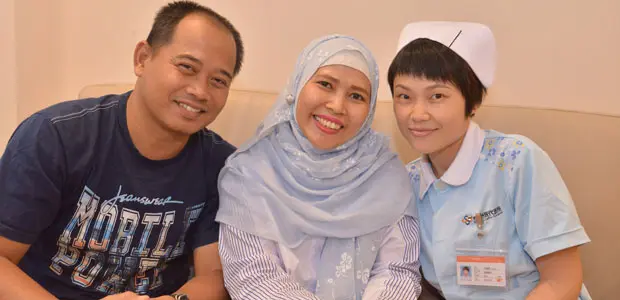
The experience of comprehensive cancer care in a modern facility also opened my eyes to the broader dimensions of what quality treatment encompasses. The physicians demonstrated genuine attentiveness to my wellbeing. The nursing staff provided compassionate, attentive care. Professional medical translators facilitated seamless communication, eliminating language barriers. The hospital environment itself was comfortable and conducive to healing.
Beyond the purely medical aspects, the hospital facilitated recreational opportunities including sightseeing excursions and travel. These diversions provided psychological respite and prevented the emotional toll that often accompanies prolonged medical treatment.
Reflections on Cancer Survivorship and Hope
Having now experienced cancer care systems in Malaysia and China, I can appreciate the technological advancement and patient-centric philosophy embedded in modern cancer treatment centers. The entire experience—from the attentiveness of the medical professionals to the supportive atmosphere of the facility—created an environment where healing could genuinely occur.
My perspective on cancer has fundamentally transformed. What initially felt like a death sentence has become a manageable medical condition with a positive trajectory. The panic that accompanied my diagnosis has gradually been replaced by optimism rooted in tangible clinical progress.
To fellow cancer patients who may be facing similarly daunting diagnoses, my message is unequivocal: cancer is not the ultimate outcome you fear. With appropriate medical intervention, psychological resilience, and access to advanced therapeutic technologies, recovery and restoration of quality of life are achievable. I encourage all cancer patients to pursue treatment options aggressively, maintain unwavering confidence in the possibility of cure, and believe in their capacity to overcome this challenge.