

Choosing Minimally Invasive Therapy for Recurring Breast Cancer
Understanding the Challenge of Recurrent Breast Cancer
When breast cancer returns following initial surgical treatment, the clinical picture becomes considerably more complex. Patients facing recurrence often encounter difficult decisions about their next therapeutic approach. A second surgical intervention carries greater procedural complexity and may introduce heightened risks of serious complications. These concerns can substantially affect overall survival prospects. This situation raises an important question: what options exist for patients confronting this challenging diagnosis?
A Patient’s Journey: From Initial Diagnosis to Recurrence
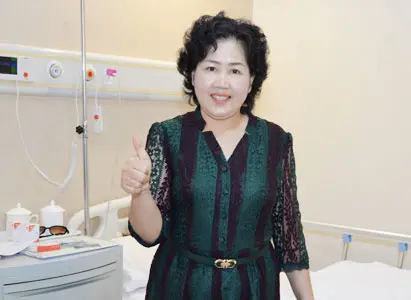
Viengsamay Mixayboua, a 47-year-old woman from Laos, discovered an abnormal mass in her right breast during December 2015. Following evaluation at a Bangkok medical facility, physicians confirmed a stage 2 breast cancer diagnosis. The urgency of her condition prompted her medical team to recommend immediate surgery, emphasizing the aggressive nature of malignant breast tumors. She underwent surgical intervention combined with chemotherapy treatment in Thailand.
Approximately twelve months after completing her initial therapy, Viengsamay experienced recurrence. Another right breast lesion developed, and Thai physicians again advocated for surgical management. However, Viengsamay felt uncertain about undergoing a second major operation. She questioned whether another surgical procedure would prove effective and worried about potential metastatic spread to distant organs. Rather than proceed with surgery, she began searching for alternative treatment possibilities.
Exploring Minimally Invasive Treatment Options
Through her research, Viengsamay discovered St. Stamford Modern Cancer Hospital Guangzhou, which offered minimally invasive therapeutic approaches not available in her home country or Thailand. These advanced techniques presented distinct advantages compared to conventional surgical and chemotherapy protocols. Minimally invasive methods typically involve reduced tissue injury, minimal side effects, accelerated recovery periods, and documented treatment success in breast cancer patients with similar presentations.
Motivated by this discovery, Viengsamay decided to pursue evaluation and treatment at the facility.
Treatment Protocol and Clinical Response
In January 2017, Viengsamay presented for evaluation and care. Comprehensive imaging identified a 4.2-centimeter tumor occupying her right breast tissue. Additionally, examination revealed malignant involvement of regional lymph nodes adjacent to the breast. The multidisciplinary medical team selected interventional therapy as the primary therapeutic strategy.
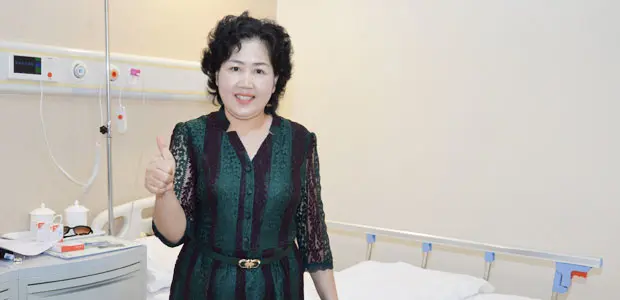
Her first interventional therapy session produced remarkably favorable results accompanied by absence of substantial adverse effects. Within ten days following the initial procedure, Viengsamay observed tangible reduction in the tumor burden affecting her breast. She recovered sufficiently to return home after one week of hospitalization.
In February 2017, Viengsamay underwent a second interventional therapy session. Her confidence had grown considerably following the positive response to initial treatment. At this point in her therapy, the right breast tumor had achieved near-complete resolution. Reflecting on her experience, she expressed gratitude: “Upon my arrival, I held strong conviction that I would receive excellent therapeutic care. Now I notice significant improvement in my overall condition, and I remain deeply appreciative of the entire medical team. Beyond the physical healing, this facility provided not merely medical treatment but also a sense of belonging, similar to being at home.”
Emotional Recovery and Broader Impact
Viengsamay acknowledged experiencing profound psychological distress when initially receiving her cancer diagnosis. During her chemotherapy course in Thailand, despair had threatened to overwhelm her determination. The recurrence deepened her emotional burden, yet simultaneously strengthened her resolve to pursue a treatment modality different from chemotherapy protocols.
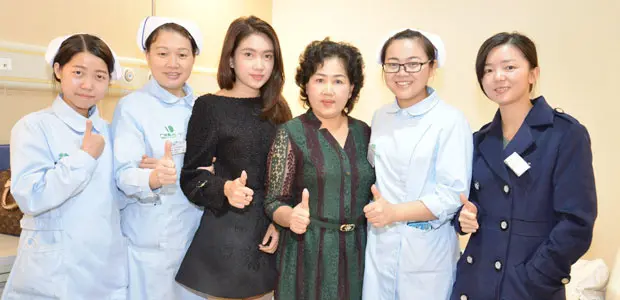
Finding St. Stamford Modern Cancer Hospital Guangzhou represented a turning point. Within a two-month timeframe, her medical condition underwent dramatic improvement. Notably, her therapeutic experience involved freedom from pain, restoration of physical well-being, and development of meaningful connections with other patients undergoing similar journeys.
Message of Hope for Other Patients
Viengsamay’s transformation extended beyond physical healing. She emerged from her treatment experience with renewed optimism and a desire to encourage fellow cancer patients facing similarly daunting circumstances. Her message carries particular weight given her personal transformation: “My health status has improved substantially following my therapeutic course. I encourage every cancer patient to maintain unwavering faith that recovery remains possible. Place your trust in quality medical facilities and refuse to surrender hope, regardless of how challenging your journey may seem.”