

Navigating Uncertainty: One Patient’s Journey Through Colon Cancer and Metastatic Disease
A Life Interrupted by Unexpected Illness
Living a disciplined lifestyle with regular exercise habits, I never anticipated facing a serious health crisis. In early 2022, my body began sending alarming signals that disrupted the rhythm of my daily routine. Uncomfortable bowel movements accompanied by persistent pain became increasingly frequent, and the presence of blood in my stools grew more concerning with each occurrence. My strength seemed to fade day by day, leaving me puzzled about what could be causing such a dramatic change.
My wife and I traveled to Malaysia seeking medical answers, only to receive news that would shake our world. The physician’s diagnosis was colorectal malignancy. The revelation struck me deeply—how could this be happening to someone who had made health and wellness a priority throughout his life? The shock was profound and difficult to process.
We returned to Indonesia with considerable doubt about the accuracy of this diagnosis. Seeking a second opinion, we underwent comprehensive testing at a local medical facility. This time, the findings suggested a different condition: an intestinal fistula. While this sounded more manageable than cancer, my initial relief was short-lived. Despite following the prescribed medication regimen, my physical condition continued deteriorating. I experienced two episodes of losing consciousness at home and required emergency hospitalization for intravenous therapy.
Confronting Conflicting Diagnoses and Growing Distrust
Two vastly different medical conclusions left me in a state of confusion. Which diagnosis should I trust? Did I truly have cancer, or was something else happening within my body? The uncertainty gnawed at me as my condition worsened.
Unable to place my confidence in either previous medical institution, I decided to take matters into my own hands. I began exploring traditional Chinese medicine as a complementary approach while simultaneously searching the internet for a more reputable oncology center that could provide definitive answers and trustworthy care.
An Unexpected Discovery That Changed Everything
Serendipity played a role when I discovered St. Stamford Modern Cancer Hospital Guangzhou through an online search. While browsing various medical websites and information about tumor treatment options, I encountered their promotional materials highlighting advanced minimally invasive treatment technologies. Something about what I read resonated deeply with me—I felt an instinctive sense that this institution might be the answer I was searching for.
However, skepticism held me back. The hospital was located in China, a foreign country where I didn’t speak the language, and I worried about the possibility of fraud or deception. My concerns about international medical treatment were legitimate.
Reaching out to trusted friends, I learned encouraging news: the hospital not only existed but also maintained an office in my home country of Indonesia. My wife and I decided to make initial inquiries through the local representative office. The staff members we encountered demonstrated remarkable professionalism and patience, addressing every concern and streamlining the entire process. They managed visa applications, arranged transportation, provided interpreters, and coordinated all the complex logistics of international travel and treatment. We didn’t need to worry about administrative details—I could focus entirely on my health.
With my wife’s unwavering support by my side, I made the decision to pursue treatment abroad. In July 2023, we embarked on our journey to Guangzhou for medical intervention.
Arrival at the Hospital: A Turning Point
By the time I arrived at St. Stamford Modern Cancer Hospital Guangzhou, my physical state had deteriorated significantly. I was so frail that I could only move about using a wheelchair. The tumor positioned near my rectum was causing frequent episodes of diarrhea, and the pressure it exerted on my lower back made lying on my side extremely painful. I was fully aware of how serious my situation had become and recognized that immediate treatment was essential.
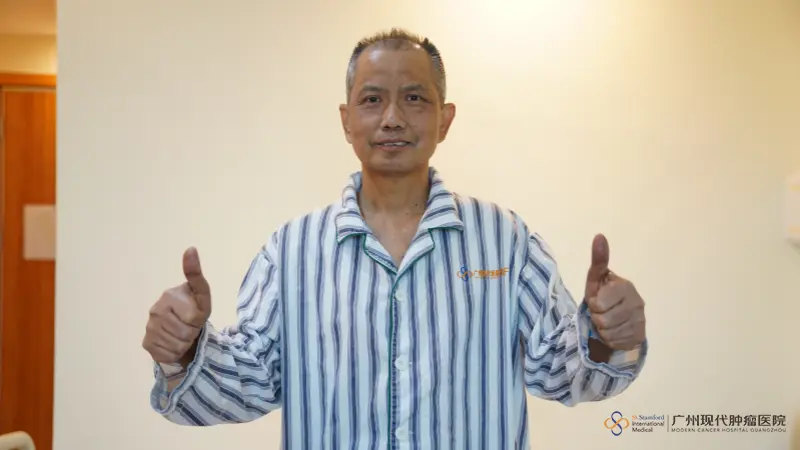
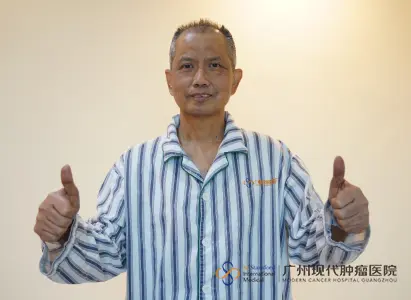
Upon admission, the hospital’s multidisciplinary team reviewed my case thoroughly and developed an integrated treatment strategy combining interventional procedures with cryotherapy. The results exceeded our expectations.
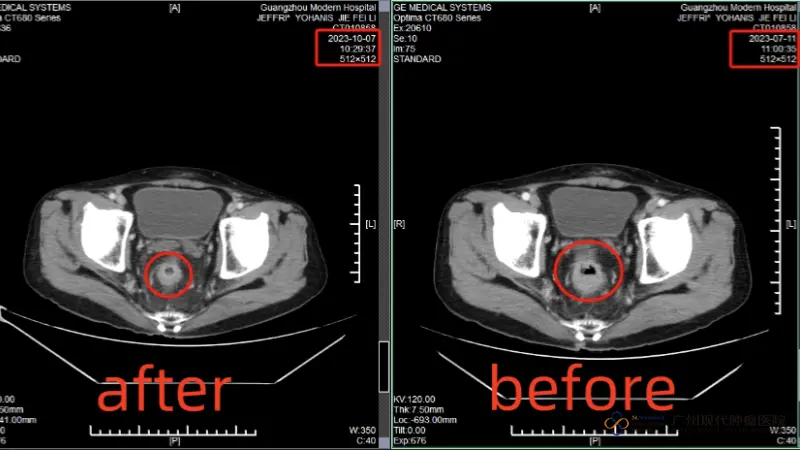
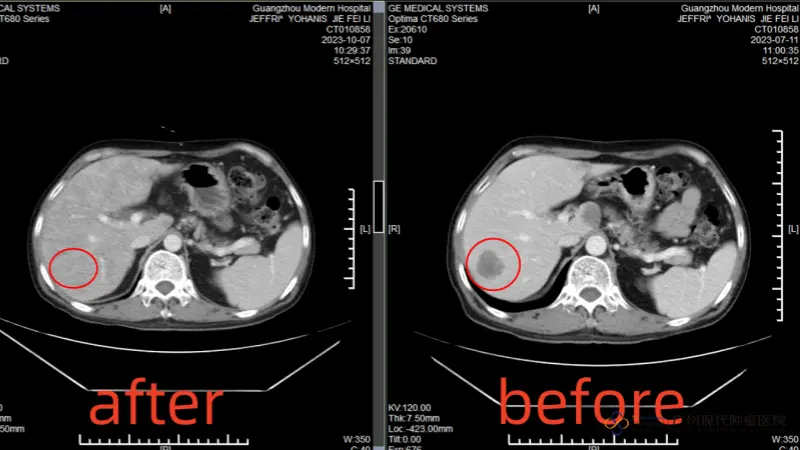
Before commencing treatment, imaging studies documented the rectal tumor measuring approximately 29 millimeters by 38 millimeters. Following the initial interventional procedure, the same tumor had reduced to just 13 millimeters by 17 millimeters. When the cryotherapy was completed, follow-up CT imaging revealed that most of the secondary liver tumors were no longer visible. Both my wife and I were overjoyed by these dramatic improvements.
Understanding the Treatments and Facing Challenges
The physicians at the hospital took considerable time explaining the mechanisms behind each procedure I would undergo. This comprehensive education helped me approach my treatments with greater peace of mind and understanding.
Interventional therapy, I learned, requires only a minimal 2-millimeter incision through which a specialized catheter delivers anti-tumor medications directly to the diseased tissue. This targeted approach produces fewer systemic side effects compared to traditional chemotherapy distributed throughout the entire body. Cryotherapy similarly involves tiny needle insertions but works through freezing technology—essentially functioning like a precision surgical tool despite its minimally invasive nature.
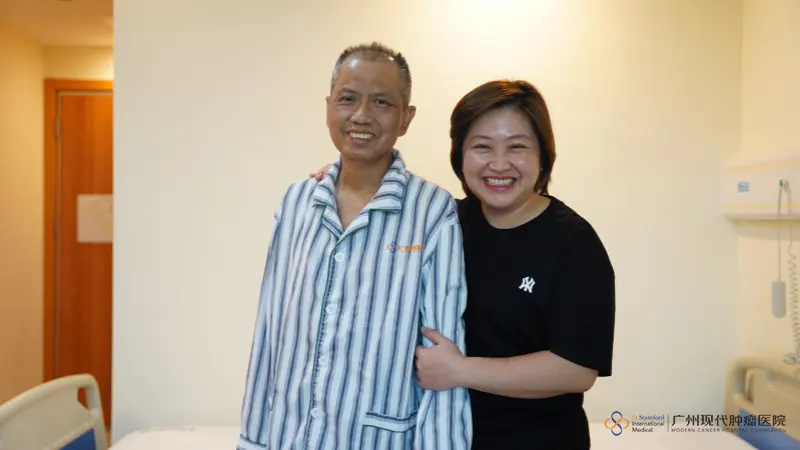
The recovery period after interventional therapy proved more challenging for me than for many other patients. My already weakened constitution became further taxed when I needed to use the bathroom over ten times daily. Exhaustion, discomfort, and a complete lack of energy nearly broke my resolve. I seriously considered giving up on the treatment process.
This is when the exceptional quality of the medical team became my lifeline. Dr. Lin and Dr. Dong personally visited me no fewer than three times each day. They sat with me and shared inspiring accounts of other patients who had persevered through similar struggles and achieved recovery. Their encouragement was not merely professional—it was deeply compassionate and genuine.
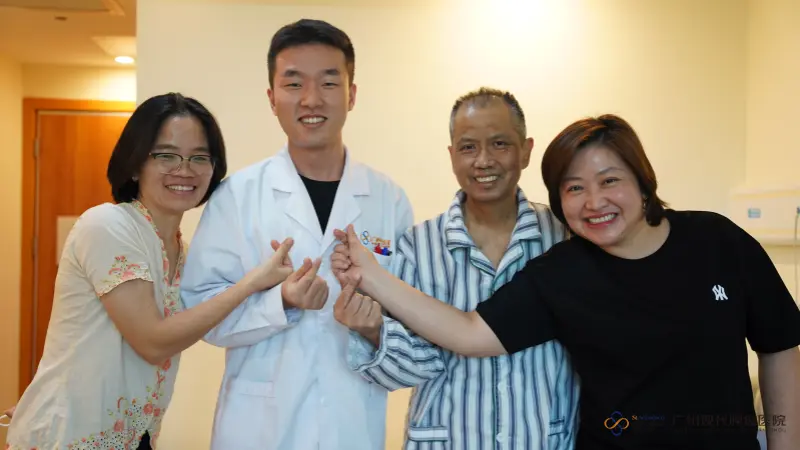
The gentleness and dedication these physicians demonstrated during my darkest moments sustained me through the difficult recovery phase. Their unwavering support transformed my perspective. The compassion and care radiating from the entire medical staff inspired me to maintain an optimistic attitude toward my fight against this disease. I became determined not only to recover but also to share this hope with others facing similar battles.
Gratitude and a New Beginning
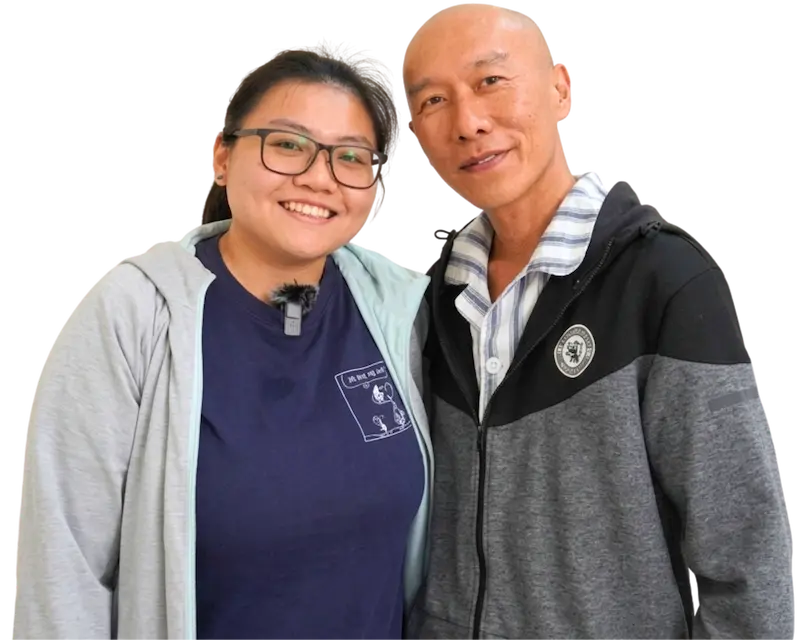
I willingly participated in interviews and sharing my cancer journey because I wanted other patients to understand the power of perseverance and faith. The hospital invited me to participate in various awareness activities, and I embraced these opportunities to recount my treatment experiences and offer encouragement to those navigating their own cancer diagnoses.
To the remarkable medical professionals who guided me through this transformative period: I want to express my deepest gratitude. You represented divine intervention in my most desperate hours. You restored my confidence, renewed my will to fight, and gave me back the opportunity to live a healthy, meaningful life. You have enabled me to face my disease with open eyes and experience a true rebirth.