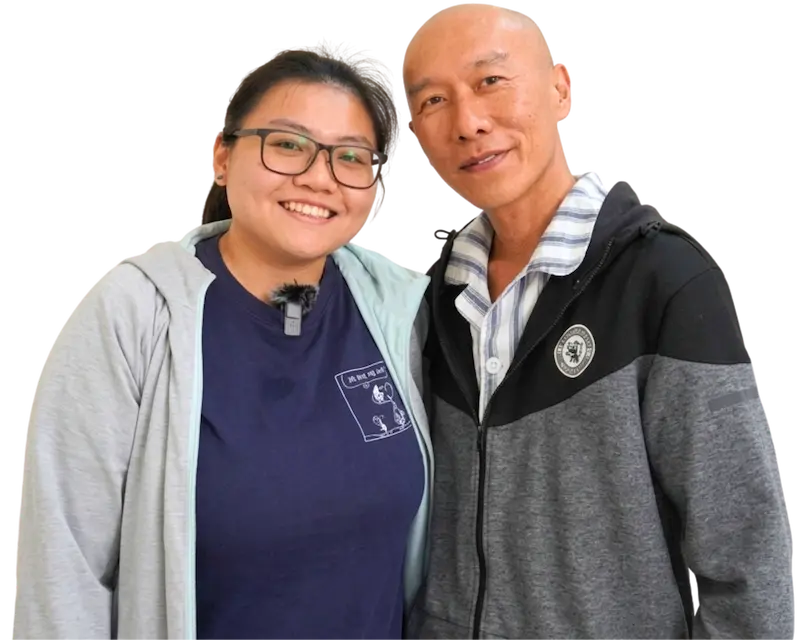


Overcoming Stage IV Nasopharyngeal Cancer Through Minimally Invasive Treatment
Finding Strength in Diagnosis
At age 46, Voo Chew Wah from Kuala Lumpur discovered a mass approximately 4 centimeters in size on the right side of his neck in September 2015. Initially dismissing the growth as inflammation, he attempted to manage the condition with traditional Chinese herbal remedies. When these treatments proved ineffective, he sought medical evaluation at a local hospital.
Following a nasopharyngeal examination and biopsy, Voo received a diagnosis of Stage III nasopharyngeal cancer. The timing proved particularly challenging—his wife was expecting their fourth child, arriving in October. Despite the emotional weight of the diagnosis, Voo committed to facing the situation with courage and determination, reassuring his family that he would recover and witness his children’s growth.
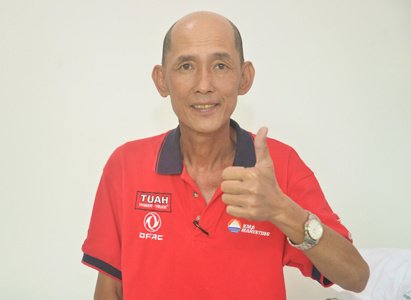
Exploring Alternative Treatment Options
Local physicians had recommended conventional chemotherapy and radiotherapy as standard treatment approaches. However, Voo sought alternative options, believing these traditional methods would not provide the outcomes he required. Through a friend’s recommendation, he learned about Modern Cancer Hospital Guangzhou and its specialized minimally invasive techniques for treating nasopharyngeal cancer.
Voo visited the Kuala Lumpur branch office to discuss his condition. Professor Peng Xiaochi reviewed his imaging studies and medical reports, explaining that nasopharyngeal cancer treatment is particularly advanced in China due to the prevalence of the disease. The hospital’s extensive experience and access to cutting-edge minimally invasive technologies gave Voo confidence in his decision to pursue treatment there. After thorough discussion with his family, he proceeded with enrollment at the hospital in Guangzhou.
Understanding Interventional Therapy
Upon arrival at Modern Cancer Hospital Guangzhou, the multidisciplinary team (MDT) developed a customized treatment strategy focused on interventional therapy. At this stage, Voo’s cancer had progressed to Stage IV.
Interventional therapy operates on a fundamentally different principle than conventional chemotherapy and radiotherapy. The procedure involves precise medical imaging guidance to make a minimal 1-2 millimeter incision. Through this opening, specialized catheters and apparatus are carefully positioned to deliver chemotherapy directly to the tumor site while simultaneously interrupting its blood supply. This targeted approach achieves localized tumor control without exposing the entire body to systemic chemotherapy toxicity.
The key advantages of this approach compared to traditional methods include:
- Minimal tissue trauma due to tiny incisions
- Significantly reduced side effects
- High treatment efficacy
- Rapid recovery between sessions
- Ability to target tumors with precision
Treatment Experience and Results
Voo described feeling surprisingly at ease during his first interventional therapy session, supported by the professionalism and care demonstrated by the hospital team. Rather than the devastating side effects typically associated with systemic chemotherapy—nausea, hair loss, severe pain—Voo experienced only mild appetite reduction.
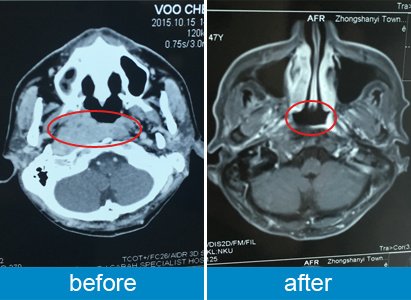
The results proved dramatic. Following his initial treatment session, the tumor shrank to less than 1 centimeter. As treatment continued, the malignancy progressively resolved. By the conclusion of his therapeutic course, the tumor had completely disappeared. Voo emphasized his appreciation for the treatment’s effectiveness combined with minimal disruption to his quality of life, noting that the entire experience was far less challenging than he had anticipated.
To reduce the risk of recurrence, Voo incorporated biological and natural therapy approaches to strengthen his immune system as part of his ongoing care plan.
Recovery and Return to Normal Life
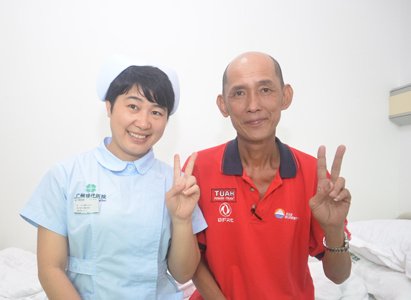
Voo’s satisfaction with Modern Cancer Hospital Guangzhou extended beyond the clinical outcomes. The hospital’s comprehensive support services, including transportation assistance and recreational activities, contributed to his overall experience. He even witnessed a rare snowfall in Guangzhou—an event occurring approximately once per century—during his treatment journey.
With the tumor completely eradicated, Voo’s life gradually returned to normal routines. He expresses sincere gratitude toward the medical team and facility that enabled his recovery.
Message of Hope to Other Cancer Patients
Reflecting on his experience, Voo shares important perspective with others facing similar diagnoses: “Life’s permanence is uncertain—we cannot predict our tomorrow or what challenges await. Although cancer presents a severe diagnosis, patients must not surrender to despair, as treatment options remain available. Modern medical technology continues advancing; timely intervention following diagnosis significantly improves outcomes. While nobody welcomes a cancer diagnosis, those unfortunate enough to receive one must face the reality courageously and pursue appropriate medical care.”
Voo emphasizes his deepest realization since diagnosis: the importance of cherishing the present moment and loved ones. He dedicates himself to expressing greater love toward his family, acknowledging and appreciating the support and care they provided throughout his treatment journey.