

Interventional therapy freed me from urinary catheter
Initial Diagnosis: A Journey Through Uncertainty
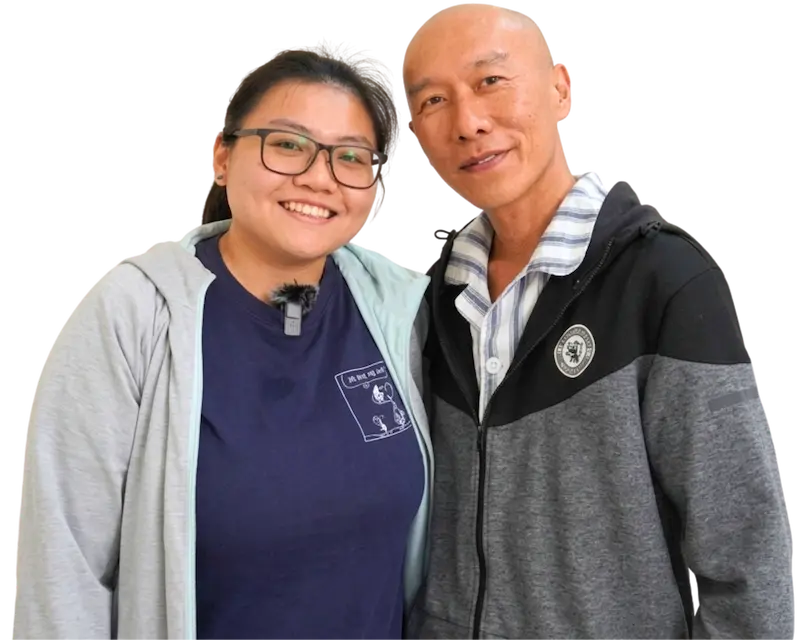
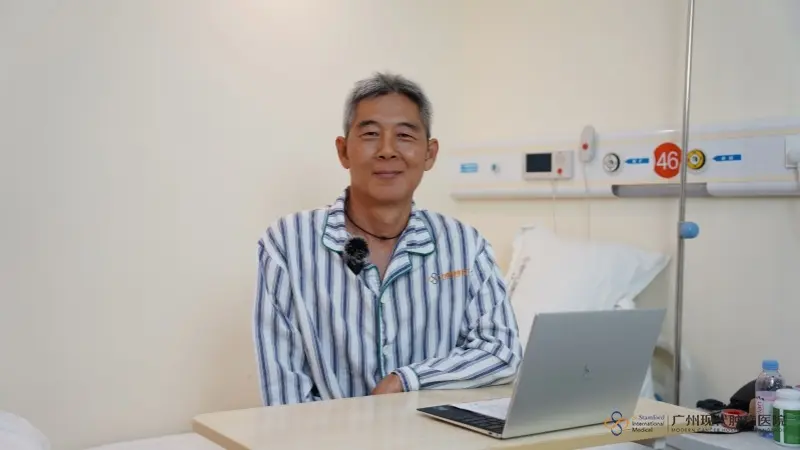
My name is Chen, and I am a 58-year-old resident of Sarawak, Malaysia. A few years before seeking specialized treatment, I began experiencing urinary difficulties including excessive daytime frequency and nighttime urgency. Initially, I did not consider these symptoms particularly serious. When the problems persisted into 2023, I decided to visit a local hospital for evaluation. The physician concluded that the issue was simply benign prostate enlargement and prescribed medication, but my condition showed no improvement even after taking the prescribed drugs for one to two months.
Concerned about the worsening symptoms, I pursued additional diagnostic testing in both Malaysia and Singapore, including tissue biopsy. The initial findings were perplexing—the results indicated high-grade urothelial malignancy with elevated cancerous potential, yet the specific diagnosis remained ambiguous, with doctors unable to definitively determine whether cancer had spread to other regions. Both countries’ physicians strongly recommended that I undergo surgical intervention and radiation therapy immediately to prevent disease progression.
Refusing Traditional Surgery: A Turning Point
I declined the proposed surgical and radiation approaches. My hesitation stemmed from two significant concerns. First, I worried about the severe side effects that such invasive treatments might bring. Second, and perhaps more powerfully, I had witnessed my father endure tremendous suffering following radiation therapy—he experienced severe headaches and persistent nausea that profoundly affected his quality of life. This personal experience made me determined to explore alternative options rather than immediately accept traditional approaches.
As I continued my search, my urinary difficulties deteriorated substantially. The pain and obstruction became unbearable, forcing me to undergo a cystostomy procedure—a surgical intervention that created an opening through which urine could drain into an external collection bag. What was meant to be a temporary relief became a daily reminder of my condition, as I now required continuous use of a catheter bag for urinary management.
Discovery of Minimally Invasive Options
While seeking a second opinion, my wife and I attended an educational seminar on innovative cancer treatments conducted by St. Stamford Modern Cancer Hospital Guangzhou. During this event, Professor Dai Wenyan presented information about cutting-edge minimally invasive therapeutic approaches that could address malignancies without requiring organ removal. This presentation resonated deeply with me because in Malaysia, the standard approach for advanced prostate cancer typically involved complete removal of the prostate gland, which necessitated permanent external catheter use.
After returning home, I conducted extensive online research about these treatment methodologies and scheduled a consultation at the hospital’s Kuala Lumpur International Service Center. The information I obtained was encouraging enough that I decided to travel to the hospital’s main facility in late 2023, just days following my cystostomy procedure.
Accurate Diagnosis Enables Precise Treatment
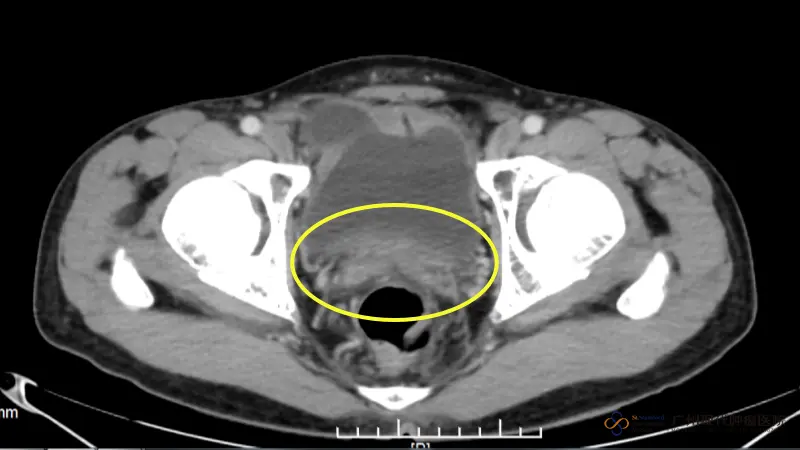
Upon admission, the medical team performed comprehensive physical examinations and diagnostic imaging. After more than twenty days of careful evaluation, the pathology results finally provided absolute clarity: stage IV prostate cancer with direct invasion into the bladder. This precise diagnosis proved invaluable, as it allowed the multidisciplinary medical team to develop a treatment strategy specifically tailored to my situation. The doctors formulated an integrated minimally invasive treatment approach centered on interventional therapy.
The interventional approach they proposed works by introducing potent anticancer medications directly into tumor tissue—medications that are concentrated at levels two to eight times stronger than drugs used in systemic chemotherapy. This methodology preserves organ function while delivering targeted tumor elimination.
Transformative Results from Interventional Treatment
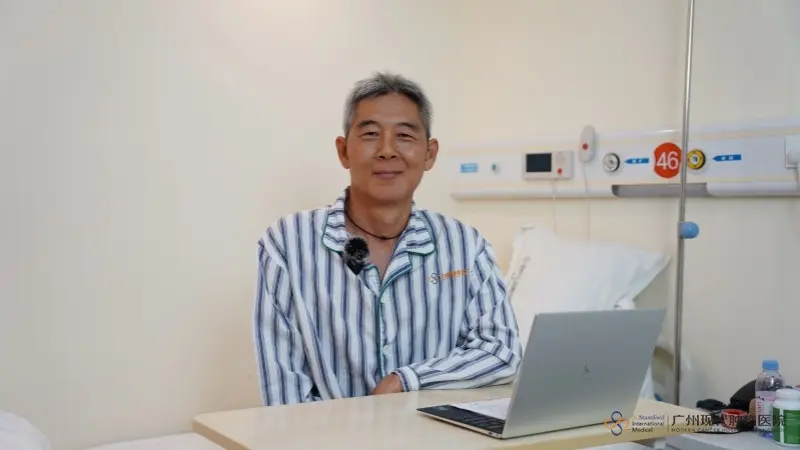
Prior to treatment, the urinary obstruction prevented me from engaging in physical exercise and significantly restricted my daily activities. The process of managing the catheter was cumbersome and emotionally burdensome. Following my first interventional procedure, my urinary symptoms improved noticeably. By the time I completed the second and third treatments, my urinary stream had normalized substantially, the prostate tumor had substantially contracted, and—most importantly—I was finally able to discontinue the external catheter bag.
The relief I experienced cannot be overstated. After months of depending on external drainage, the ability to urinate independently felt almost miraculous. While my treatment course was not complete, I felt profound confidence that my condition would continue improving.
Minor discomfort occurred following the first procedure, but these side effects remained within reasonable limits and disappeared within one to two days. Subsequent treatment sessions did not reproduce these uncomfortable reactions. As my body recovered, my wife and I would take walks around the hospital grounds, go hiking, and gradually increase our physical activity with simple exercises.
Advancing Treatment with Seed Implantation Therapy
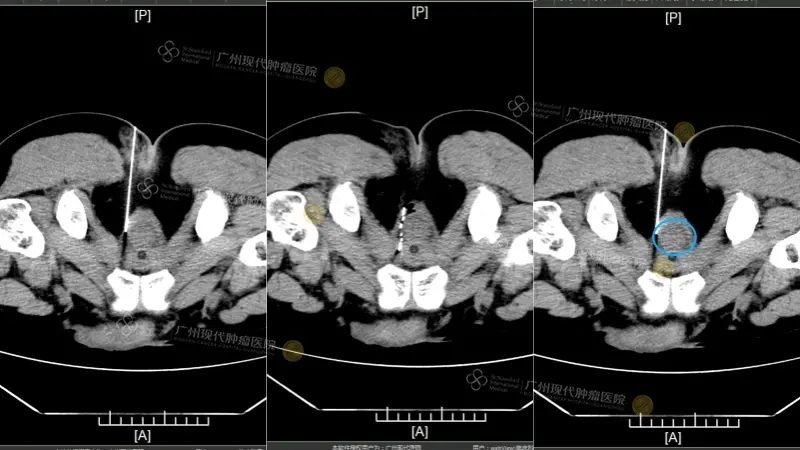
With the foundation of tumor shrinkage established through early interventional therapy, my medical team recommended proceeding with seed implantation therapy to achieve superior long-term disease control. This advanced technology offers several distinct advantages:
- Precision and effectiveness: Radioactive seeds are placed directly into the tumor region, concentrating radiation energy precisely where cancer cells exist to maximize cell destruction
- Continuous therapeutic action: The seeds discharge low-level radiation continuously over several weeks and months, providing round-the-clock treatment without interruption
- Safety and minimal tissue damage: Because radioactive emission extends only approximately 1.7 centimeters from each seed, most radiation energy is absorbed directly by malignant tissue, sparing surrounding healthy organs and structures
- Family safety: The limited radiation range means no radioactive exposure beyond the treated area, eliminating concerns about household members or the environment, so no special isolation precautions are required
Outstanding Long-Term Results
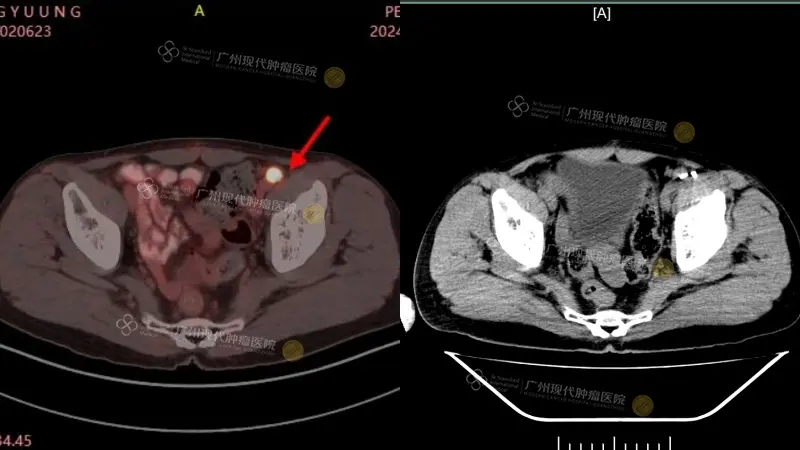
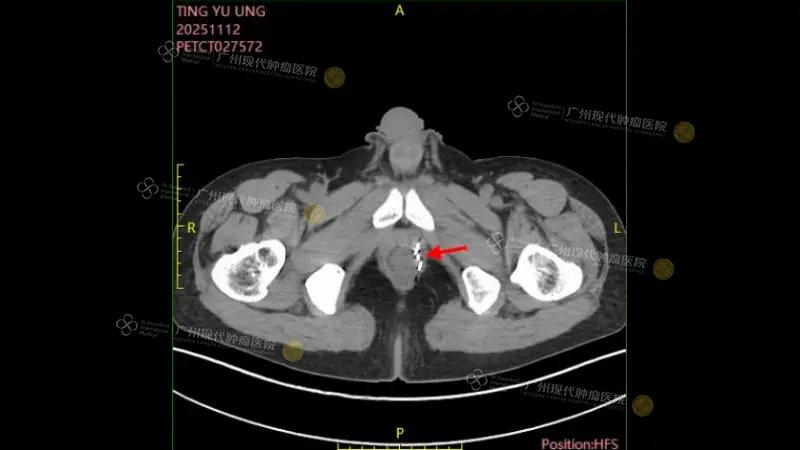
Recent imaging studies performed on November 12, 2025 revealed remarkable progress. The prostate tumor and the lymph node metastases that had spread throughout my body have essentially been completely inactivated. This wonderful result brought tremendous joy and relief to both myself and my family. Our optimism is now fully justified.
This successful outcome reflects not only the precision of advanced medical technologies but also my own determination, positive mindset, and commitment to the treatment plan. The path ahead looks promising, and we anticipate continued improvement with each follow-up evaluation.
The Emotional Journey: Finding Light in Darkness
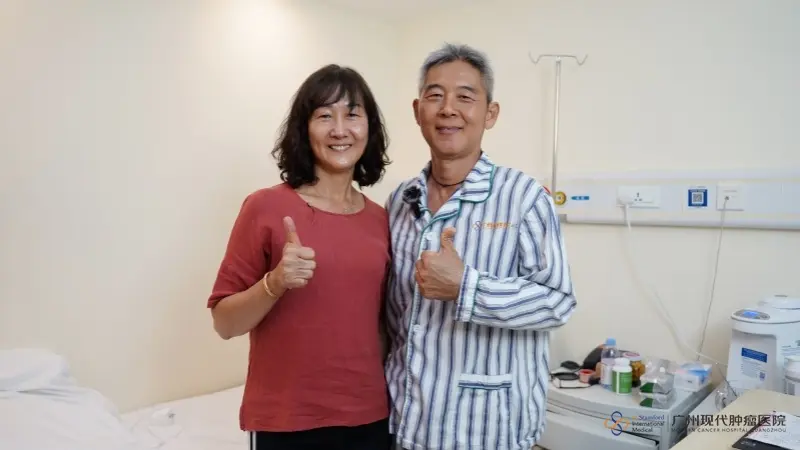
I must be candid about the psychological impact of cancer. The diagnosis left me feeling profoundly confused, deeply miserable, and at times hopeless, with moments of darkness when I questioned everything. Yet my wife’s unwavering presence became my foundation. She remained steadfast through every uncertainty, never wavering in her support. She traveled across borders with me to explore new possibilities, and her constant encouragement sustained me through the darkest days. Words cannot adequately express my gratitude for her sacrifice and devotion.
Gratitude Toward Medical Professionals
I am deeply indebted to the entire medical staff at St. Stamford Modern Cancer Hospital Guangzhou. Their expertise in minimally invasive medicine literally gave me back my life—preserving my organs, restoring my bodily functions, and eliminating the burden of the urinary catheter. This achievement felt nothing short of miraculous to me.
Beyond the technical excellence, I was profoundly moved by the human quality of care. The staff consistently communicated detailed information about my treatment plans, monitored my daily condition closely, and even celebrated holidays with patients. It became clear that these healthcare professionals view their responsibility to patients with utmost seriousness and genuine dedication. This comprehensive approach—combining cutting-edge technology with compassionate care—made an immense difference in my recovery journey.
A Message for Others Facing Cancer
To anyone receiving a cancer diagnosis, I want to emphasize an important truth: traditional surgery and radiation therapy are not your only available options. The landscape of cancer treatment has expanded dramatically. It is absolutely essential that you carefully evaluate your personal circumstances and specific medical situation to identify the treatment approach that best aligns with your needs, values, and desires for quality of life. By doing so, you can discover a therapeutic path that offers the best chance for recovery while preserving your dignity and independence.