

Recovery Through Minimally Invasive Care
Early Warning Signs and Initial Diagnosis
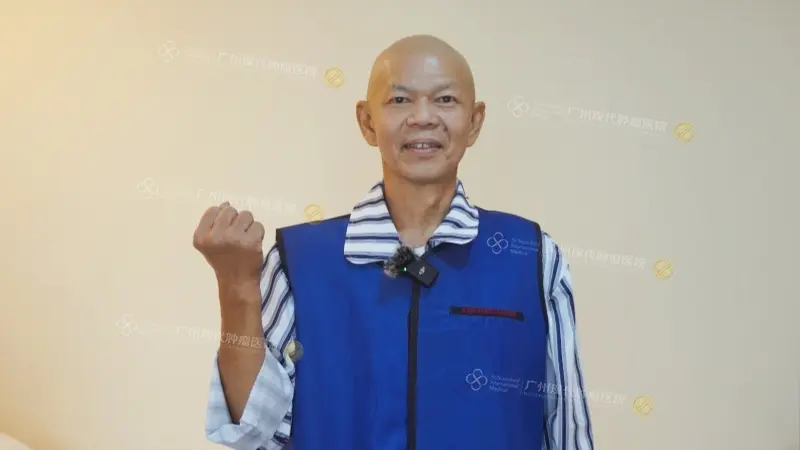
Wong Chun Wai, a 51-year-old resident of Selangor, Malaysia, first experienced unusual physical changes during routine activities around his home. While navigating the stairs leading to his residential space above his shop, he began noticing consistent fatigue and breathing difficulties. The simple task of reaching his door required multiple pauses to recover his breath and catch his wind. His concerned spouse recognized these symptoms as potentially serious and scheduled a comprehensive medical evaluation.
The diagnostic process spanned approximately eight weeks. By August 2023, imaging studies revealed the presence of stage III pulmonary malignancy. The tumor measured 5.8 by 8 by 9.2 centimeters. At this point, persistent coughing and respiratory complications had significantly intensified, affecting his daily functioning and rest.
Conventional Treatment and Unexpected Setback
His local medical team initiated six cycles of systemic chemotherapy. Following this intervention, imaging demonstrated a positive response—the lesion decreased to measurements of 2.3 by 2.8 by 2.0 centimeters. However, symptomatic relief did not accompany the tumor shrinkage. His persistent cough and sleep disturbance continued to impact his well-being.
The treating physicians recommended an extended radiation program consisting of over 20 sessions targeting the chest and cranial regions. This course extended through early 2024. Unfortunately, the benefits proved temporary. Three months after completing radiotherapy, follow-up imaging revealed an alarming development: the tumor had resumed growing and exceeded its previous size.
When his local physicians informed him that no additional standard treatments remained available and that his prognosis ranged from six months to one year depending on disease progression, the news devastated his family. The preceding months of chemotherapy and radiation had extracted a severe physical and emotional toll. He experienced profound weight loss (approximately 10 kilograms), severe loss of appetite, and chronic insomnia. He faced a difficult choice: continue increasingly burdensome treatments with declining effectiveness, or seek alternative approaches.
Discovery of Minimally Invasive Options
His family embarked on an intensive search for alternative interventions. Through a neighbor’s recommendation, they learned of another patient with pulmonary malignancy who had traveled to St. Stamford Modern Cancer Hospital Guangzhou and experienced significant therapeutic success. That individual’s cancer cells had become substantially dormant following treatment. Encouraged by this account, Wong visited the recovering patient and observed dramatic evidence of restoration to health. This personal testimony convinced him to pursue treatment at the specialized facility.
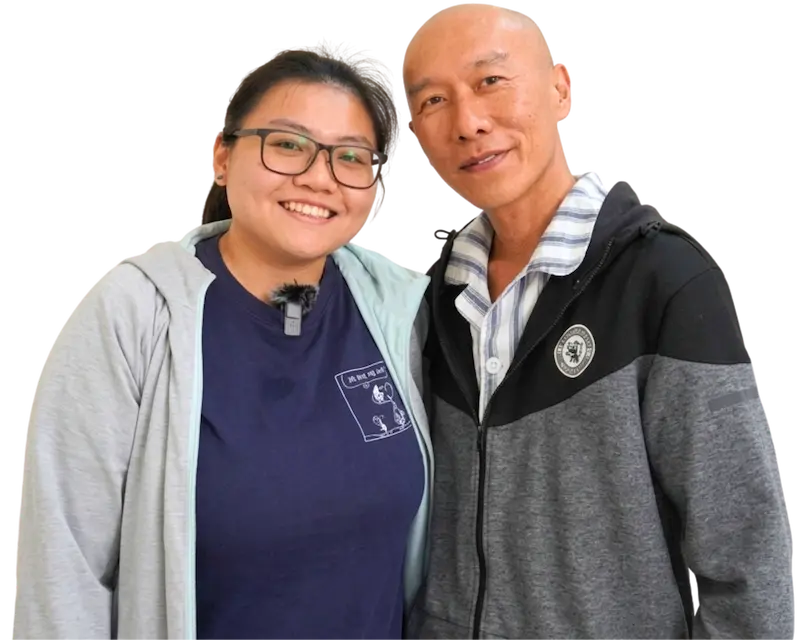
Following consultation at the hospital’s international service center in Malaysia, Wong and his sister proceeded to Guangzhou. On June 19, 2024, his treatment commenced. Comprehensive re-evaluation established a diagnosis of small cell pulmonary carcinoma affecting his right lung with extensive pleural involvement and regional lymph node disease, classified as stage IIIc.
Comprehensive Treatment Planning and Implementation
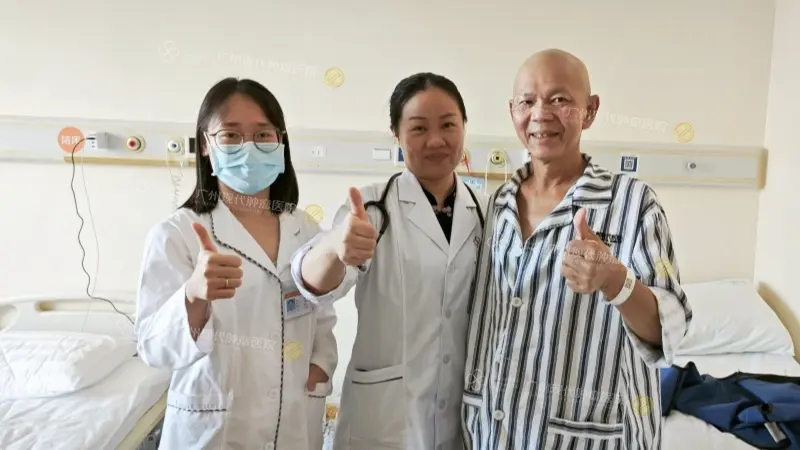
The hospital’s multidisciplinary team formulated an individualized treatment strategy combining three modalities: seed implantation, interventional procedures, and naturopathic support. His primary physician, Director Hu Ying, explained that minimally invasive techniques represent a fundamentally different approach compared to traditional chemotherapy and radiation.
The seed implantation methodology involved placing radioactive iodine-125 seeds directly into the tumor tissue. These seeds deliver concentrated gamma radiation specifically targeting malignant cells while minimizing damage to surrounding healthy tissues. This approach offered several advantages: superior safety profile, enhanced effectiveness, minimal adverse effects, and particular suitability for patients like Wong who experienced intolerance to conventional therapy and faced surgical constraints.
Progressive Improvement and Remarkable Recovery
After his initial intervention, Wong experienced noticeable improvement in his coughing episodes. Following the second treatment session, his respiratory capacity during physical activity enhanced substantially—stairs no longer caused breathlessness. His nocturnal rest normalized; he began sleeping undisturbed through entire nights.
Upon returning for his third follow-up appointment, all respiratory symptoms had resolved completely. The troublesome asthma and cough had entirely disappeared. Imaging studies demonstrated remarkable reduction in both the primary lung malignancy and the pleural metastatic disease.
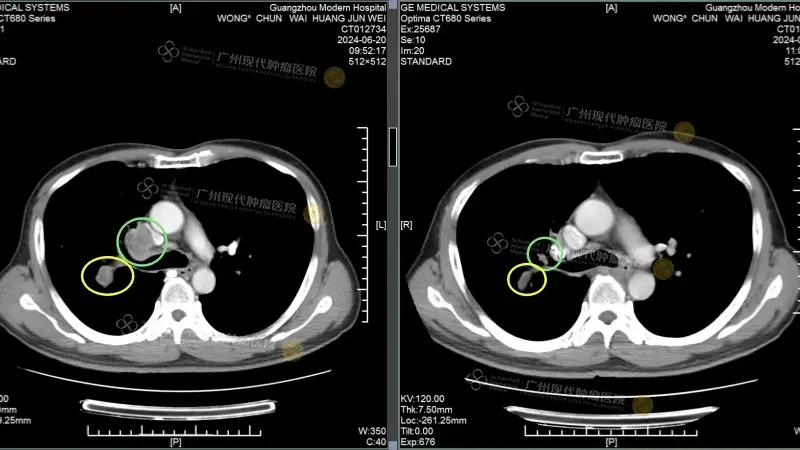
Beyond symptomatic relief, the treatment experience differed markedly from his previous local care. He maintained normal dietary intake without restrictions, experienced improved appetite, slept peacefully, and maintained adequate mobility for daily activities. During his recuperation period at home, he even operated his motorcycle to conduct routine shopping—a striking contrast to his appearance as a severely compromised patient during conventional therapy.
Amazement at Treatment Innovation
Another aspect that impressed Wong profoundly involved the minimal tissue trauma associated with the procedure. When he photographed his treatment site and shared the images with family members, they reacted with considerable surprise and skepticism. The wound appeared remarkably small and unobtrusive—an unexpected outcome given the extensiveness of the intervention. This feature highlighted a significant gap between minimally invasive technology available at the specialized facility and the conventional approaches accessible within Malaysia.
Medical Team Support and Institutional Care
Although certain individuals initially discouraged Wong from pursuing international treatment, expressing concerns about potential deception, he proceeded based on conviction in his chosen path. He recognized that hesitation would undermine his ability to pursue this opportunity.
Director Hu Ying demonstrated exceptional attentiveness and patience throughout his treatment journey. Given his unfamiliarity with advanced minimally invasive technologies, Wong naturally harbored numerous questions. Rather than dismissing his inquiries, Director Hu consistently provided detailed explanations tailored to his comprehension level, ensuring he felt informed and reassured.
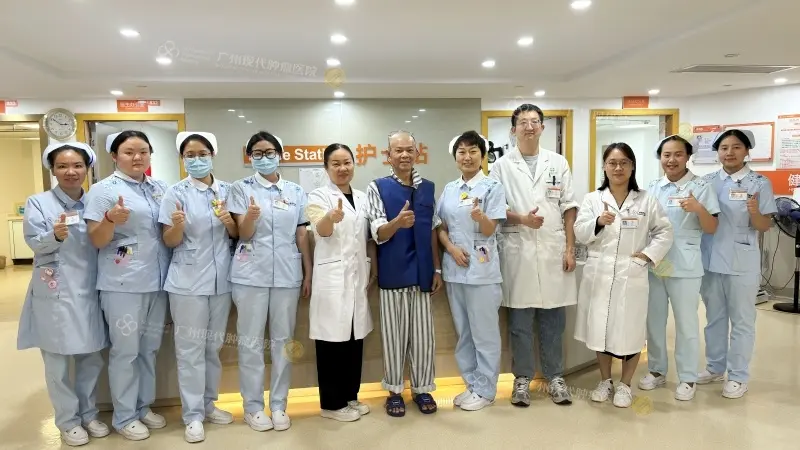
The nursing personnel demonstrated comparable dedication, combining professional excellence with genuine human connection through encouraging conversation and thoughtful humor. Despite geographical distance from his homeland, Wong felt supported and emotionally secure.
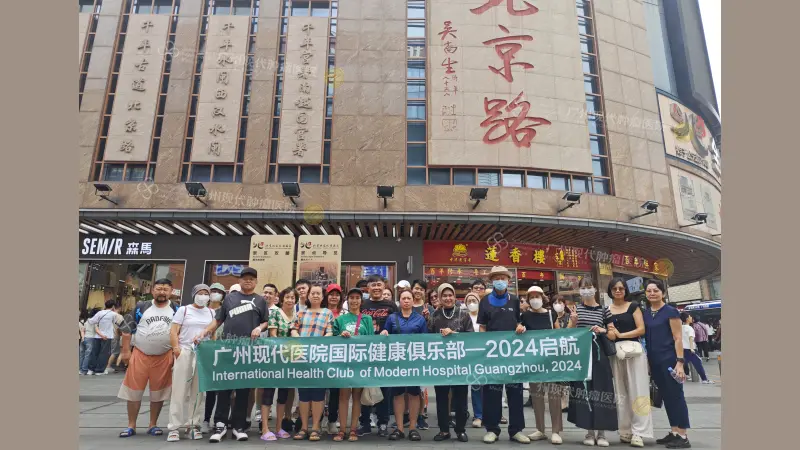
Beyond medical interventions, the hospital organized recreational and cultural activities designed to alleviate patient stress. During one of his return visits, his niece participated in a medical tourism program exploring Beijing Road, a historic Guangzhou district. Although Wong required rest at that time, his niece’s participation provided him indirect cultural exposure through her detailed descriptions and photographic documentation of local architecture and heritage.
Message to Fellow Cancer Patients
Wong concludes his narrative with heartfelt counsel for others confronting cancer diagnoses. He encourages adopting optimistic perspectives and resisting persistent negative rumination about remaining lifespan. Instead, he advocates for prioritizing joy, engaging in personally meaningful activities, and maintaining emotional resilience. His overarching message emphasizes that recovery and improved health outcomes remain achievable possibilities, warranting unwavering hope and determination.