

How a Taekwondo Instructor Overcame Advanced Lung Cancer Through Minimally Invasive Treatment
Meeting an Unexpected Diagnosis
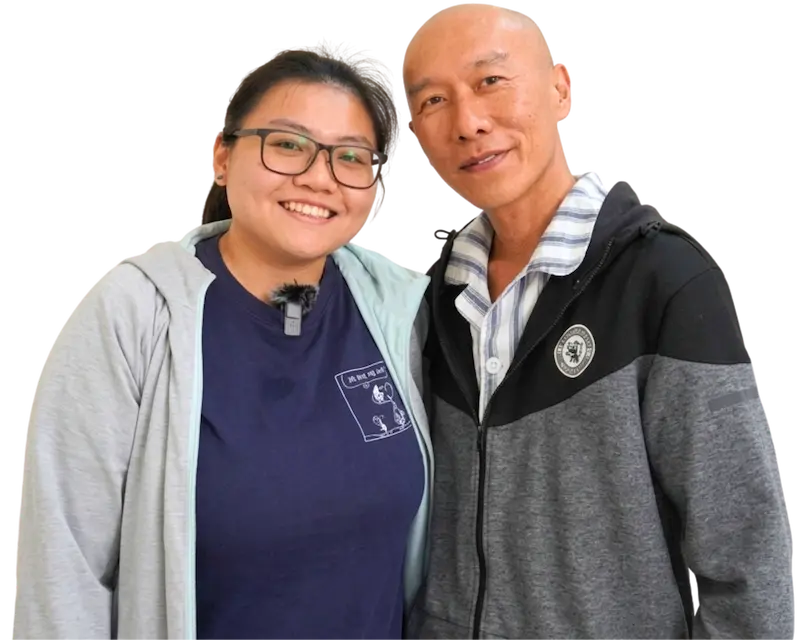
My name is THAM YIP SEONG, and I am 46 years old from Malaysia. For years, I have been dedicated to my career as a professional Taekwondo instructor, maintaining a strong and athletic physique through consistent training and physical discipline.
Everything changed in May 2023 when I began experiencing a persistent, dry cough that would not go away. Concerned about the lingering symptoms, I visited a medical facility for a chest CT scan. The results revealed a concerning finding: a mass had formed in my right lung. Following a biopsy and pathological analysis at a local Malaysian hospital, doctors confirmed the diagnosis I feared—non-small cell lung cancer.
A subsequent whole-body PET-CT scan conducted on June 16 provided more detailed information about the extent of my condition. The primary tumor in my right lung measured 5.8 x 7.1 x 6.9 centimeters. Even more troubling, the scan revealed that cancer cells had already spread beyond the primary site, involving the mediastinal lymph nodes, supraclavicular lymph nodes, and the pleural region surrounding the right lung.
The Challenge of Facing Conventional Treatment Options
Receiving this diagnosis devastated both me and my family. Determined to explore every possible avenue, I consulted with specialists at numerous healthcare institutions throughout Malaysia. The recommendation remained consistent across all consultations: aggressive systemic chemotherapy would be necessary to address my condition.
However, I held significant reservations about pursuing this path. My family has been touched by cancer before—several relatives had battled nasopharyngeal cancer—and through friends and acquaintances, I had witnessed the devastating toll that conventional chemotherapy exerts on cancer patients. I observed how individuals endured severe side effects, experiencing profound weakness and deterioration in their overall health. Despite enduring this suffering, many of these patients saw their cancer continue to advance, ultimately losing their fight against the disease. This reality created a profound sense of fear within me.
After careful consideration and reflection, I made a deeply personal decision to refuse chemotherapy. Instead, I began taking traditional Chinese medicine as recommended by my physician and maintained a regular exercise regimen. Initially, this approach seemed beneficial—my cough improved, and I felt somewhat better. For several months, I believed I had made the right choice.
A Critical Setback Demands a New Approach
My temporary improvement proved short-lived. Six months after my initial diagnosis, my health took a dramatic turn for the worse. In December 2023, I began experiencing new and alarming symptoms: my gait became unsteady, and I felt numbness spreading across the soles of my feet and into my toes. Additional medical imaging revealed a heartbreaking reality—my cancer had progressed to stage four, and new bone lesions had appeared with compression of my spinal cord.
The physical toll became increasingly evident. Severe muscle wasting accompanied the disease progression, and my weight dropped alarmingly from my healthy baseline of 70 kilograms to approximately 50 kilograms. The strength and athleticism I had cultivated over decades as a Taekwondo coach seemed to vanish. My family watched helplessly as I deteriorated, unable to walk unassisted or perform the exercises that had once defined my daily life.
Discovering a New Treatment Path
During this darkest period, a friend mentioned a hospital in Guangzhou, China, that specialized in minimally invasive cancer treatments. I was skeptical—I had never heard of such therapies in Malaysia. However, fate intervened when I learned that representatives from this institution would be hosting an educational seminar in Ipoh, Malaysia. Rather than simply hearing secondhand accounts, I decided to attend in person to learn more about these treatment options.
At the seminar, my wife and I met with an international oncologist from the hospital. He listened carefully to my medical history and explained various minimally invasive approaches specifically suited to my condition. He described how these treatment methods differed fundamentally from the standard approaches available in Malaysia. We also heard compelling accounts from other patients who had experienced success through these innovative therapies. These testimonies sparked hope within us—something we had nearly lost in the preceding months.
After discussing the opportunity with my family and considering all the information we had gathered, we made the courageous decision to travel to China to pursue this novel treatment approach.
Beginning Treatment at a Modern Cancer Hospital
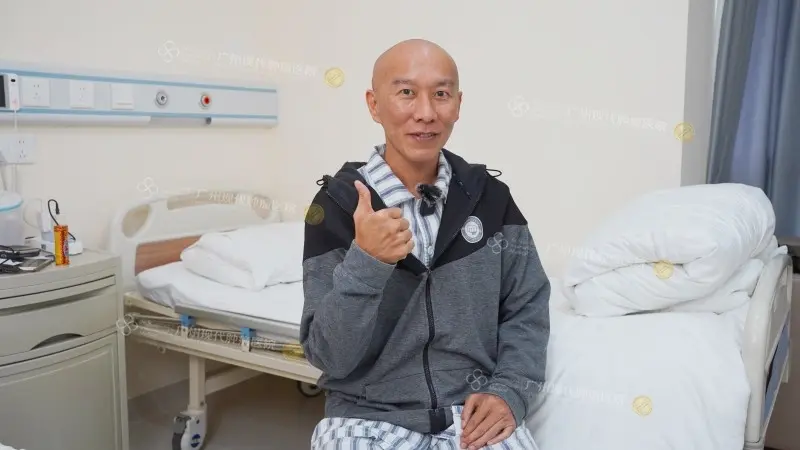
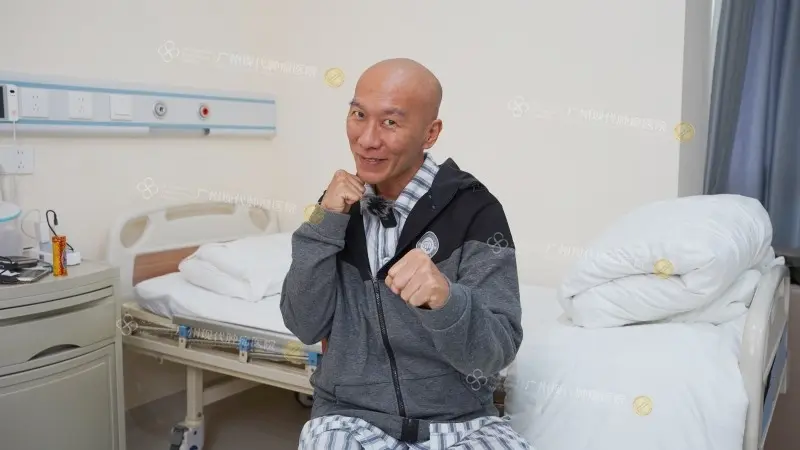
I arrived at St. Stamford Modern Cancer Hospital in Guangzhou on February 28, 2024. The multidisciplinary team took a comprehensive approach, beginning with supportive care to address my immediate symptoms. They focused on clearing respiratory secretions and controlling my cough—essential steps to prepare my body for the more intensive treatments to follow.
After stabilizing my condition, the medical team developed a personalized treatment protocol combining two therapeutic modalities: interventional therapy and immunotherapy. I was particularly drawn to this approach because it differed dramatically from what I had previously experienced or been offered.
The interventional therapy process involves delivering powerful anti-tumor medications directly into the blood vessels supplying the tumor. By utilizing advanced imaging guidance, physicians direct these medications specifically to the cancerous tissue, where they can achieve drug concentrations 2 to 92 times higher than what would be possible through systemic chemotherapy. What impressed me most was that this procedure caused no significant pain. Following my first treatment session, I returned to bed for rest, and upon waking the next morning, I felt surprisingly well.
Witnessing Remarkable Improvements
The results became evident after just three interventional therapy sessions. The persistent cough that had troubled me since my initial diagnosis completely vanished. My breathing improved noticeably, and my lungs felt more comfortable than they had in many months. Perhaps most importantly, the numbness in my feet disappeared, and the spinal compression symptoms that had limited my mobility showed significant improvement.
With the assistance of armrests for support, I became able to walk slowly once again—an achievement that seemed impossible just weeks before. I began performing gentle daily exercises, and as I did, I felt my muscle coordination and strength gradually returning. Most tangibly, my weight began increasing, indicating that my body was responding positively to treatment.
My wife shared in every moment of this recovery. Together, we witnessed a transformation in my quality of life that exceeded our most hopeful expectations.
Imaging Confirms the Promise of Treatment
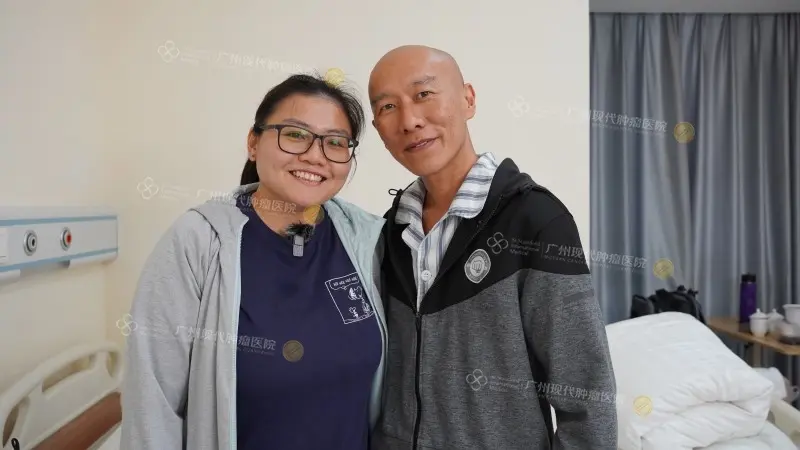
In May 2024, following a CT scan of my chest, my physician shared extraordinary news: the primary lung tumor had reduced in size by approximately 40 to 50 percent. Beyond the main tumor, several smaller lesions scattered throughout my clavicular lymph nodes and pleural region had disappeared entirely. The spinal metastases that had caused such severe symptoms showed remarkable regression.
This imaging confirmation meant everything to my wife and me. It validated our decision to seek alternative treatment options. It reinforced our belief that refusing to passively accept a dire prognosis had been the right choice. The joy and renewed optimism that filled our hearts during this moment cannot be adequately expressed in words.
Reflecting on the Journey and the Future
Through my treatment experience, I have come to appreciate that cancer therapy has advanced far more in China than in my home country of Malaysia. The scientific research and technological developments in minimally invasive oncology have created genuine alternatives for patients who might otherwise have limited options. These treatments offer a genuine pathway of hope.
Although my treatment journey continues, my emotional state has transformed completely. The fear and anxiety that once dominated my thoughts have been replaced by a sense of peace and optimism about the future. During my time at St. Stamford Modern Cancer Hospital, I met numerous other patients undergoing similar treatment protocols. As I watched their health gradually improve and saw hope return to their eyes, I realized I was not alone in this battle.
The Human Touch in Medical Care
Beyond the advanced medical technology and innovative treatment approaches, what stood out to me was the genuine compassion of the healthcare team. The staff treated every patient with kindness and patience. I vividly remember an incident that illustrated this compassion: my birthday coincided with one of my hospital stays. Rather than overlooking this personal milestone, the medical staff surprised me by arriving at my ward with a birthday cake and organized a small celebration. These human touches, offered amidst serious medical treatment, meant more than I can adequately describe.
Most importantly, I must acknowledge my wife’s unwavering dedication throughout this entire ordeal. She has been my constant companion and support system. From preparing nutritious meals to assisting me with therapeutic exercises and personal care, she has stood by my side without hesitation. Her presence, encouragement, and love have been as crucial to my recovery as any medical intervention.
A Message of Hope to Others Fighting Cancer
To anyone currently battling cancer or facing a recent diagnosis, I want to share a fundamental truth: cancer is not an automatic death sentence. The key to improving outcomes lies in actively exploring all available treatment possibilities rather than surrendering to despair and passively awaiting the worst outcome.
The physical suffering that accompanies cancer and its treatment is very real, and I do not minimize that experience. However, amid the physical pain, it is essential to nurture positive thoughts and memories. Adjust your mindset toward hope rather than hopelessness. Face your diagnosis with courage and determination rather than fear and resignation. When you commit to fighting with this attitude, better results will inevitably follow.
My journey has taught me that life holds precious possibilities even in the darkest circumstances. I encourage everyone to remain curious about new treatment options and never to give up hope.