

Recurrent Triple-Negative Breast Cancer Treated with Minimally Invasive Therapy
Initial Diagnosis and Conventional Treatment Struggle
My name is Elisabeth, and I am 44 years old, originally from the Dutch Caribbean region. During April 2022, I felt a distinct lump forming in my left breast that grew increasingly tender to touch. Medical evaluation at a local hospital revealed a diagnosis of triple-negative breast cancer affecting my left breast. The medical team recommended traditional treatment protocols including intravenous chemotherapy.

The Netherlands offered limited options for cancer management, with physicians primarily advocating for conventional approaches: systemic chemotherapy, surgical procedures, and radiation therapy. Following medical recommendations, I underwent breast-conserving surgery followed by an aggressive chemotherapy regimen. Over the following year and beyond, the side effects of radiation and chemotherapy became increasingly unbearable, making it extremely difficult to maintain proper nutrition. My body weight dropped by more than 20 kilograms, and my physical appearance transformed significantly. When doctors informed me that the malignant growth had been successfully removed, I experienced a temporary sense of relief.
Recurrence and the Search for Alternative Solutions
Yet hope was short-lived. By September 2023, approximately 16 months after my initial surgical intervention, a cyst-like mass unexpectedly developed at the surgical site on my left breast, accompanied by considerable discomfort upon pressure. Diagnostic imaging using PET-CT revealed distressing news: the breast malignancy had returned, this time invading the chest wall tissues beneath the surgical scar, with involvement of regional lymph nodes. The physicians at my local hospital delivered the difficult truth: their institution possessed no suitable treatment options for my particular situation.
As desperation mounted, I turned to online research in pursuit of any viable therapeutic approach for recurrent triple-negative breast cancer. During my search, I discovered St. Stamford Modern Cancer Hospital Guangzhou. I was particularly encouraged to learn about numerous patients who had faced similarly hopeless circumstances yet achieved meaningful survival and improved quality of life through minimally invasive therapeutic techniques—exactly what I was seeking.
Following an initial consultation with hospital staff arranged online, I scheduled a remote consultation appointment. During this discussion, Director Ma offered me reassurance: “Our hospital can provide you with suitable treatment options. We have multiple minimally invasive approaches available, and if one proves insufficient, we can explore others.” These words instilled within me both hope and determination. My husband and I resolved to travel to China to pursue treatment.
Treatment Experience and Remarkable Recovery
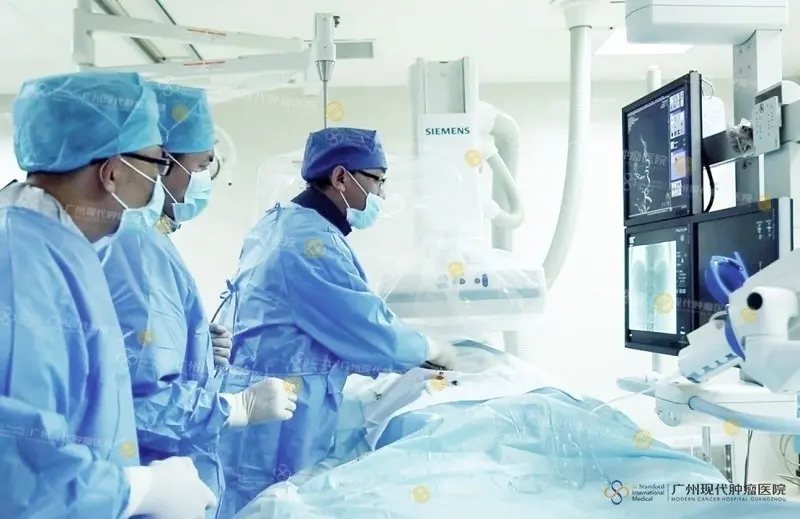
We arrived at the hospital in November 2023. Following comprehensive physical assessment and diagnostic imaging, the hospital’s multidisciplinary team formulated a personalized treatment protocol combining interventional therapy with natural medicine support. During my first interventional treatment session, I was pleasantly surprised by the minimal physical stress involved—the entire procedure lasted approximately one hour.
This treatment modality delivers concentrated chemotherapeutic medications directly into the tumor through a tiny 2-millimeter incision, guided by real-time imaging. The drug concentration achieves levels 8 to 10 times higher than systemic chemotherapy administration, yet exclusively targets cancer cells while preserving healthy tissue. Post-procedure, I experienced only mild fatigue without the typical side effects such as nausea, vomiting, or appetite loss. That evening, I was able to consume my dinner with normal appetite.
My husband noted a striking contrast between my condition now and after previous chemotherapy cycles. Previously, I would remain bedridden for several days, barely able to function. Currently, my daily activities continue almost normally, providing him considerable reassurance regarding my wellbeing. Across three interventional therapy sessions thus far, my symptoms have progressively improved. The chest pain that previously troubled me has diminished day by day, my hunger has returned naturally, and my body weight has increased from 48 kilograms to 52 kilograms.
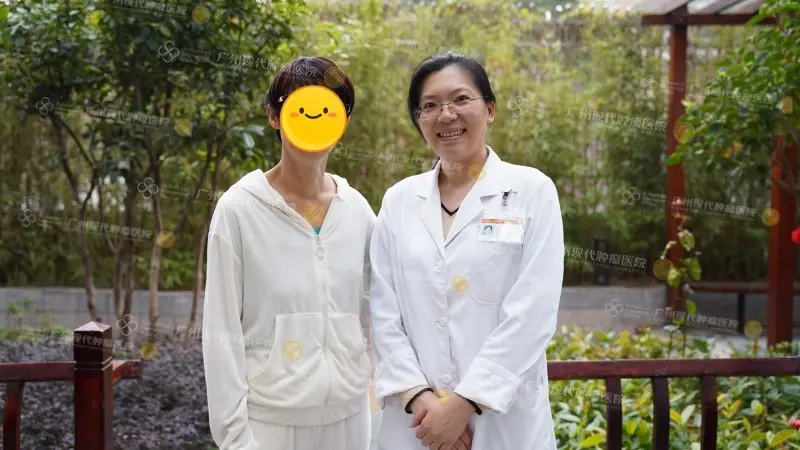
When follow-up CT imaging was completed and reviewed, attending physician Dr. Zhai expressed satisfaction with the results: “The tumor continues to shrink and remains effectively controlled. Your overall health parameters have normalized. This demonstrates that our treatment approach is achieving excellent results.” We felt genuine happiness, recognizing that our journey across continents had yielded the positive outcomes we hoped to achieve.
Compassionate Care and Renewed Physical Vitality
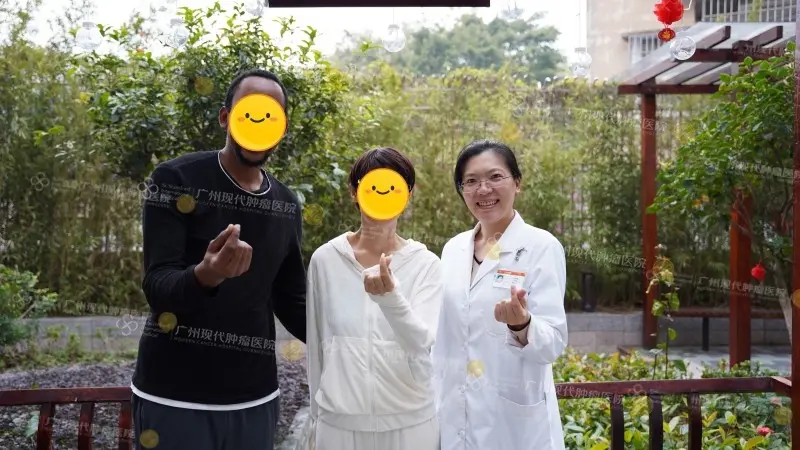
From my perspective as a patient within the hospital, I observed that the entire institution operates with the patient’s wellbeing as the central priority, with medical staff demonstrating thoughtful care in every interaction.
One instance exemplified this commitment: I noticed my hair growing rapidly and requiring urgent attention. Upon mentioning this need to the nursing supervisor, she immediately provided me with cutting implements and personally assisted with my haircare. Such personalized, attentive service would be unthinkable in Dutch medical facilities, where patients are often told to manage such matters independently.
The physician team consistently remains accessible. Whenever I required assistance, I simply needed to communicate with my translator, and the medical staff would respond immediately.
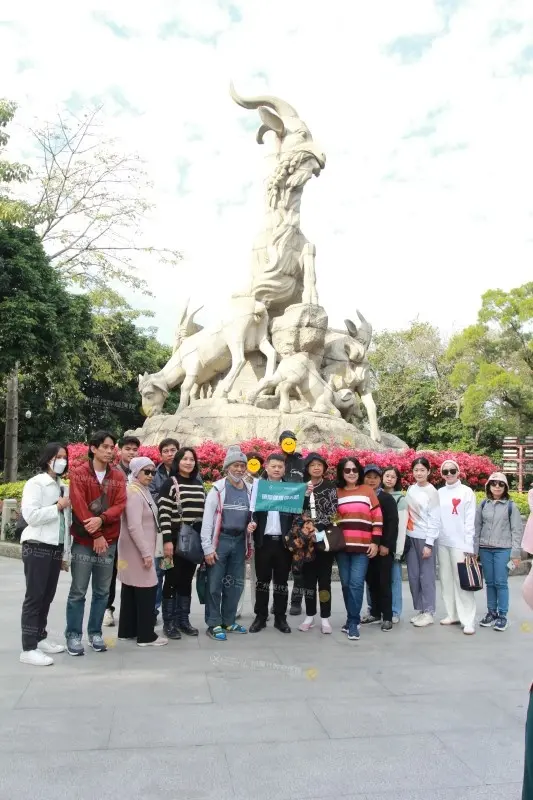
As my condition improved, Dr. Zhai recommended that I increase physical activity and walking exercises. I participated in a hospital-organized medical tourism excursion. That day, we visited Yongqingfang historic district and Yuexiu Park. We walked from noon until 5 o’clock in the evening—a full five hours—while appreciating the surroundings, and the time passed without us fully realizing the duration. My ability to complete this extended walk without exhaustion demonstrated my physical recovery and earned a proud acknowledgment from my husband.
Family Support and Hope for the Future
My husband and I connected through mutual family introductions, developed our relationship through a year of online conversations, and ultimately built our marriage together. We have been blessed with two sons. Throughout more than a decade together, he has consistently demonstrated genuine care and consideration toward me. A cancer diagnosis tests both the patient and their family profoundly, yet his affection and steadfast patience have never wavered.
Throughout my hospital stay, he attentively monitored my daily physical changes and documented my progress through photographs. His unwavering support provided the motivation I needed to persevere through treatment. I am deeply grateful to both my husband and the dedicated medical professionals—they represent the light guiding me forward on this journey.
Although my treatment journey continues, I maintain firm confidence that my future will be increasingly positive. For patients receiving a cancer diagnosis and feeling desperate, I want to emphasize: many individuals deemed untreatable by conventional medicine discover hope through minimally invasive approaches. Modern Cancer Hospital Guangzhou centers on patient wellbeing and provides multiple therapeutic options. Do not delay through indecision—timely, comprehensive treatment expands your possibilities significantly.