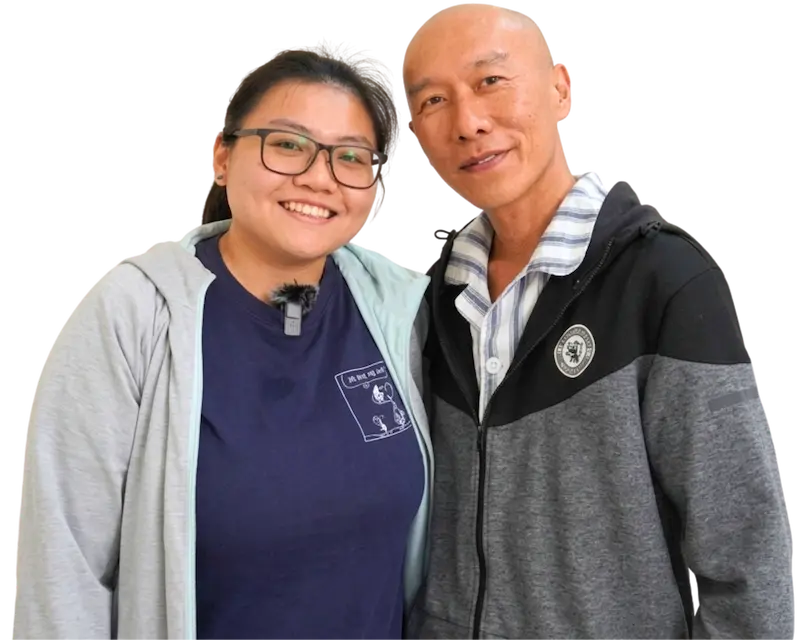


From Advanced Urethral Cancer to Recovery: A Minimally Invasive Success
An Unexpected Diagnosis Transforms a Life
During 2022, Tan Tanty Bintari from Surabaya faced what would become the most challenging period of her life. When persistent blood in her urine prompted a visit to a medical facility in Singapore, the diagnostic imaging revealed devastating news: stage IV urethral adenocarcinoma. The initial tumor measured approximately 3.8 centimeters by 4.4 centimeters by 2.2 centimeters, and scans showed concerning metastatic lesions in both lungs. The psychological weight of this diagnosis was immense—fear and uncertainty consumed both the patient and her family.
The Singapore physicians recommended conventional treatment protocols: surgical intervention, tissue sampling, and systemic chemotherapy. Tan and her family chose to proceed with this traditional approach, hoping for the best outcome possible.
Traditional Treatment Takes Its Toll
The conventional therapy regimen, while intended to combat the malignancy, created serious complications that overshadowed its potential benefits. Tan’s physical constitution deteriorated significantly throughout the treatment course. She experienced progressive weakness, loss of appetite, and frequent episodes of nausea. Beyond the physical manifestations, the psychological burden of side effects became overwhelming, affecting her daily functioning and quality of life.
Most troubling was that despite enduring these debilitating effects, the tumor showed minimal regression. The combination of uncontrolled disease progression and severe iatrogenic complications left the entire family struggling emotionally and practically.
Discovery of a New Treatment Approach
At this critical juncture, Tan’s sister-in-law introduced a pivotal suggestion. She herself had undergone breast cancer treatment at St. Stamford Modern Cancer Hospital Guangzhou more than a decade prior, and her story was profoundly encouraging. Despite facing substantial physical suffering and psychological distress before treatment, the sister-in-law had achieved complete disease control; her cancer had never returned during the twelve years following her hospital stay, and she maintained an excellent quality of living.
Inspired by this firsthand account of successful recovery, Tan and her family conducted thorough internet research about the facility and its treatment philosophy. They located the Surabaya International Service Center in Indonesia and arranged a remote consultation with an oncologist from the hospital. The response was affirmative and detailed, explaining how minimally invasive therapeutic techniques could achieve disease control while producing fewer side effects and enabling faster physical rehabilitation compared to traditional approaches.
A renewed sense of optimism emerged. Though some apprehension lingered regarding treatment in a foreign country, learning about the hospital’s cutting-edge technologies, international patient support services including airport transportation, multilingual staff assistance, and hospitality accommodations alleviated most concerns. The family made their decision: they would travel to Guangzhou for treatment.
Beginning Treatment in Guangzhou
In August 2023, after the Surabaya International Service Center completed visa processing and arranged their flights, Tan and her family traveled to Guangzhou. Hospital representatives greeted them at the airport with attentive, compassionate service that immediately established a sense of security and trust.
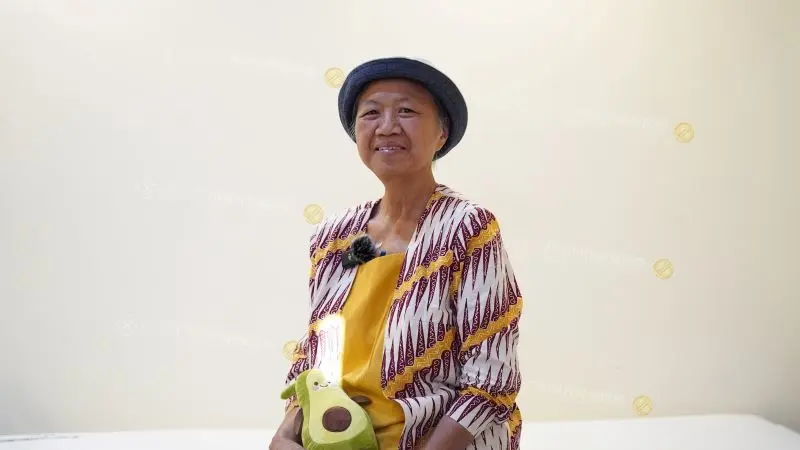
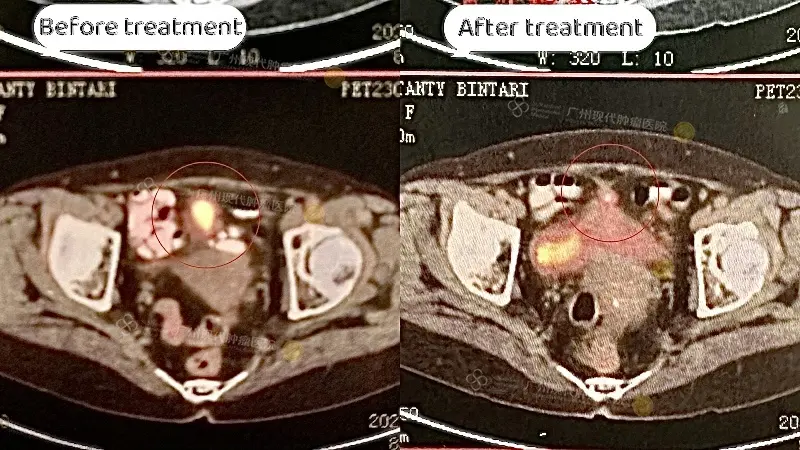
Upon admission, the hospital conducted comprehensive imaging evaluation, including positron emission tomography combined with computed tomography. The diagnostic team confirmed the challenging clinical scenario: a primary urethral malignancy measuring 3.8 by 4.4 by 2.2 centimeters alongside multiple pulmonary metastatic lesions. The multidisciplinary tumor board formulated an integrated treatment strategy encompassing interventional vascular therapy, radioactive seed implantation, molecular targeted pharmaceuticals, and supportive naturopathic modalities.
The attending physicians and professional medical interpreters thoroughly explained her diagnosis and the customized treatment protocol, ensuring that both Tan and her family understood every aspect and maintained realistic yet hopeful expectations.
Minimally Invasive Interventional Procedures
The interventional therapeutic procedures represented a stark contrast to her previous experiences. Each minimally invasive intervention required only approximately thirty minutes under image guidance. The technique involved introducing chemotherapeutic agents directly into the arterial blood supply feeding the tumor, ensuring that therapeutic agents reached the malignancy while sparing surrounding normal tissue from systemic drug exposure and toxicity.
Tan’s recovery following the procedures was remarkably smooth. She could eat, sleep, and mobilize normally within hours of treatment completion, experiencing minimal post-operative discomfort. This stood in dramatic contrast to the severe systemic reactions she had endured with conventional chemotherapy. The psychological burden diminished substantially as she realized she could receive cancer treatment without sacrificing her basic functional capacity or sense of well-being.
The results became evident quickly. After completing two minimally invasive interventional procedures, the hematuria resolved completely, and her general physical condition normalized progressively. Laboratory and imaging assessments confirmed excellent disease control.
Remarkable Treatment Outcomes
Upon completing the comprehensive multidisciplinary treatment plan, Tan received the imaging results she had hoped for but barely dared to believe possible. The follow-up CT scans demonstrated that the pulmonary metastatic lesions had completely disappeared. The primary bladder-region tumor had regressed to nearly imperceptible dimensions. The transformation was nothing short of remarkable.
Reclaiming Life and Normalcy
What proved most significant was not merely the radiological improvement, but rather the restoration of Tan’s quality of living. Throughout the therapeutic course, she never felt like a cancer patient in the traditional sense. The medical journey became integrated with tourism and recreation—visiting Guangzhou’s attractions, experiencing local cuisine, spending quality time with family. The specter of malignancy, which had dominated her consciousness during conventional treatment, faded into the background.
She anticipated returning to normal activities: shopping with loved ones, engaging in social interactions, experiencing the meaning and joy inherent in daily life. The interventional approach had liberated her from the hospital bed existence that conventional therapy would have imposed.
Gratitude and Renewed Hope
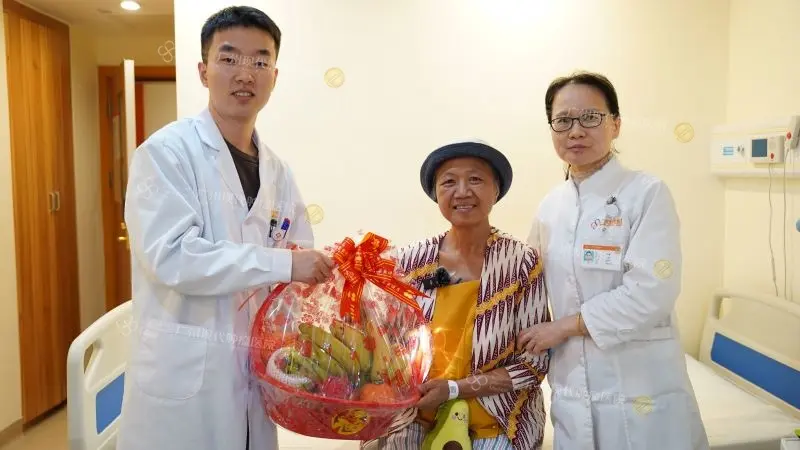
Reflecting on her journey, Tan expressed profound appreciation for St. Stamford Modern Cancer Hospital Guangzhou. Without the facility’s expertise and technology, she would have faced unrelenting systemic chemotherapy toxicity, progressive disease burden, and the likelihood of permanent physical deterioration. The hospital provided not merely a curative pathway, but a means to preserve her dignity, functional independence, and psychological well-being during treatment.
She emphasized that while a cancer diagnosis remains profoundly serious, modern therapeutic innovations offer genuine hope for recovery and maintained quality of life. Even patients undergoing active cancer treatment can experience optimism, comfort, and even contentment when supported by appropriate technology and compassionate medical care.
To others facing similar diagnoses, Tan’s message is clear: seek hospitals with genuine expertise, investigate advanced treatment modalities beyond conventional approaches, and maintain confidence in the possibility of recovery. “On this long road of fighting cancer, we may experience ups and downs, like climbing over mountains,” she reflected. “But don’t be afraid—quality treatment technology and excellent medical services will help us overcome every obstacle. We need to persevere, remain optimistic, and believe that we can defeat cancer.”