

How Minimally Invasive Therapy Saved an 83-Year-Old Cancer Patient
An Unexpected Diagnosis During Travel
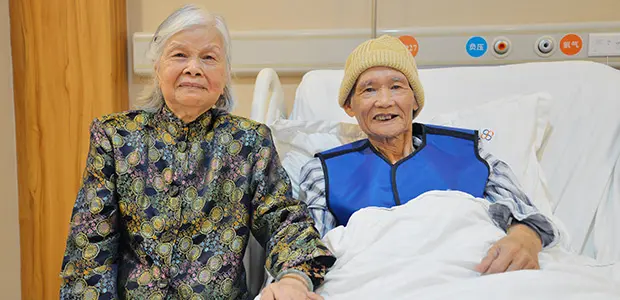
During the early months of 2017, an 83-year-old man from Vietnam named Nguyen Thinh experienced an unexpected medical crisis while on a trip to Japan. After suffering a sudden loss of consciousness, he underwent comprehensive medical examinations that revealed a devastating diagnosis: stage IV pancreatic cancer.
The medical professionals he consulted in Japan recommended immediate surgical intervention. However, they were also candid about the potential complications—patients could face prolonged recovery periods, significant infection risks at incision sites, and the concerning possibility of cancer recurrence following the procedure. Faced with these sobering warnings and the physical demands that such surgery would place on a man his age, Nguyen Thinh and his family made the difficult decision to decline the recommended operation and explore alternative approaches.
Searching for Solutions: Setbacks and New Hope
The family’s search for options led them to consult physicians in Vietnam, where they received similar recommendations: surgery combined with chemical therapy. Medical experts in Vietnam pointed out that the pancreas occupies a particularly challenging anatomical location, surrounded by critical structures, making surgical access inherently risky. Adding to these concerns, physicians emphasized that at 83 years of age, Nguyen Thinh’s body would struggle to tolerate the trauma of major surgery. Furthermore, they warned that chemotherapy, while potentially effective against cancer cells, would devastate his immune defenses and severely compromise his ability to recover.
Confronted with these limitations and unwilling to subject their father to such aggressive treatments, the family unanimously rejected both surgery and chemotherapy. They intensified their quest to find an alternative path forward.
Weakened by his condition, Nguyen Thinh’s physical decline accelerated as weeks passed. His weight dropped dramatically, and desperation set in as his daughters exhausted local medical consultations. Friends and family members offered suggestions, recommending various cancer treatment centers and experimental therapies, yet nothing seemed promising—until members of a Vietnamese organization dedicated to cancer awareness shared information about an international medical facility specializing in minimally invasive approaches.
Discovering an Alternative Treatment Path
When Nguyen Thinh’s family learned about St. Stamford Modern Cancer Hospital Guangzhou and its specialized minimally invasive treatment protocols, they recognized a potential breakthrough. Unlike conventional surgery or systemic chemotherapy, minimally invasive techniques could target the tumor with minimal physical trauma while avoiding the severe side effects associated with traditional approaches.
Acting swiftly, his daughters established contact with the hospital’s office in Hanoi. The medical team there—comprised of specialists from various disciplines working as a coordinated Multidisciplinary Team—conducted an in-depth consultation via video conference. They thoroughly reviewed his medical records, assessed his current physical state, and developed a customized treatment strategy tailored to his specific circumstances. For the first time in weeks, hope returned to the family.
Treatment and Remarkable Recovery
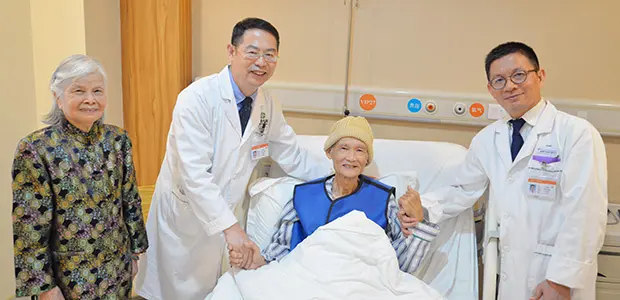
On November 25, 2017, Nguyen Thinh underwent particle implantation therapy, an advanced minimally invasive technique designed to deliver targeted treatment directly to the tumor site. Under the attentive care of the medical and nursing staff, his condition began to show marked improvement in the days following the procedure.
The transformation was striking. Just seven days after the particle implantation procedure, his abdominal pain—which had been the source of tremendous suffering—subsided significantly. His appetite returned. Most remarkably, he regained the independence to move about without assistance, an achievement that seemed impossible during his arrival when he had been barely conscious.
A Patient’s Reflection on Recovery and Gratitude
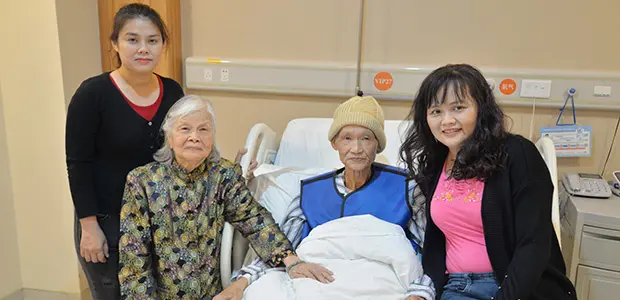
During an interview following his discharge, Nguyen Thinh reflected on his transformation with profound gratitude. He recalled arriving at the hospital in a semi-conscious state, his body ravaged by cancer and its associated suffering. The swift recovery following the minimally invasive procedure seemed almost miraculous by comparison.
“In such a weakened condition, I was barely aware of my surroundings when I arrived,” he recalled. “Yet within just one week of receiving the particle implantation treatment, I could eat again and walk on my own. I have visited China multiple times in my younger years, but this is my first time in Guangzhou. If only I had discovered this hospital sooner, I could have spared myself so much pain and suffering. The facility truly restored my life.”
He praised not only the advanced medical technology available at the facility but also the quality of care he received. The hospital’s adoption of internationally recognized medical management systems from Singapore, combined with its patient-centered approach and compassionate staff, created an environment where healing could occur. Every member of the medical and nursing team demonstrated genuine dedication to his recovery, a commitment that did not go unnoticed or unappreciated by the grateful patient and his family.