

A Septuagenarian’s Journey: Managing Lymphoma with Minimally Invasive Approaches
Initial Diagnosis and Emotional Response
During May of 2019, Henky Tjandra from Indonesia began experiencing discomfort in his throat while consuming meals. Concerned about his symptoms, he decided to seek medical evaluation at a local facility. The diagnostic workup conducted in Singapore revealed disturbing news: he had developed stage I non-Hodgkin’s lymphoma, a form of blood cancer affecting the lymphatic system. The confirmation of this diagnosis left him in a state of emotional turmoil. Drawing from his understanding of cancer, Henky viewed the condition as an intractable and potentially life-ending disease with limited treatment prospects.
Family Support and the Path to Treatment
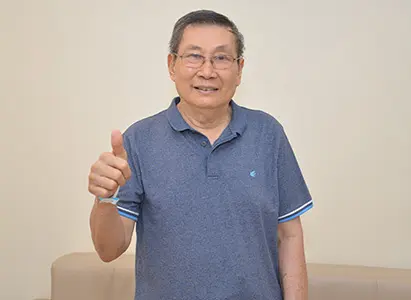
The emotional weight of his diagnosis gradually lessened thanks to the unwavering backing and compassionate words of his family members. An important turning point came when a relative who had previously undergone treatment at St. Stamford Modern Cancer Hospital Guangzhou shared their positive medical outcomes. This personal recommendation proved invaluable, as it offered Henky a ray of hope and a potential solution. He subsequently scheduled a consultation with a medical professional at the hospital’s Jakarta office. Following this discussion, he made the resolute choice to travel to Guangzhou for specialized cancer treatment.
When Henky first arrived at St. Stamford Modern Cancer Hospital Guangzhou, he carried with him considerable uncertainty and skepticism about the proposed therapeutic approach. However, as the days progressed, his familiarity with the hospital’s operations and staff increased substantially. This growing knowledge gradually transformed his initial apprehension, preparing him mentally and emotionally for the treatment regimen that lay ahead, despite his initial reservations about the procedures he would undergo.
Multidisciplinary Treatment Strategy
The hospital’s Multidisciplinary Team conducted a thorough assessment of Henky’s case and developed a comprehensive therapeutic approach. The treatment protocol combined two distinct modalities: interventional therapy and targeted therapy. His medical team explained that interventional therapy operates fundamentally differently from conventional surgical approaches. This technique requires only a minimal incision of approximately 1 to 2 millimeters and delivers medication directly into the tumor through arterial infusion channels. A significant advantage of this methodology is that the concentration of therapeutic agents reaches levels that are 2 to 8 times higher than standard systemic chemotherapy. This enhanced drug concentration enables more potent destruction of malignant cells. When combined with targeted therapy, this dual-approach strategy substantially reduces the harmful effects associated with traditional surgery and chemotherapy, minimizes the likelihood of cancer recurrence and spread to distant sites, and potentially extends the patient’s overall survival duration. These characteristics explain why minimally invasive treatment approaches have earned credibility and acceptance among the cancer patient population.
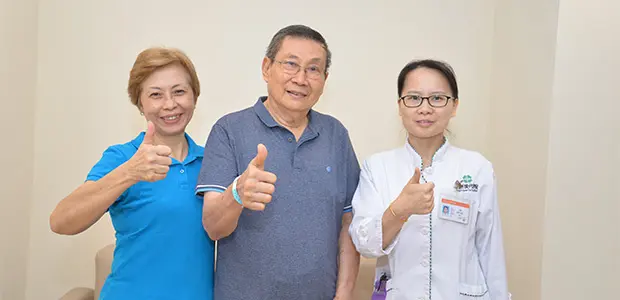
The positive clinical results demonstrated the validity of this treatment strategy. Following three months of consistent therapy, Henky observed that his lymphoma had come under effective control. The progress achieved during this relatively short timeframe brought him considerable relief and deep appreciation. He expressed heartfelt thanks to his attending physician and the supportive nursing staff who facilitated his recovery. Henky also acknowledged the instrumental role that his family played throughout this challenging period, noting their steadfast encouragement and considerate assistance as essential factors in his successful treatment journey.
Parting Wisdom from a Cancer Survivor
Upon his discharge from the hospital, Henky felt motivated to share reflections from his experience battling cancer. He emphasized several key principles that he believed contributed to his favorable outcome. Most importantly, Henky stressed the value of placing confidence in one’s medical care team and maintaining self-assurance regarding recovery prospects. He advocated for full cooperation with healthcare providers, strict adherence to their medical recommendations, and the adoption of dietary modifications that support cancer recovery. These elements, taken together, form a foundation upon which cancer patients can build hope and work toward healing.