

A 64-Year-Old Rectal Cancer Patient’s Path to Recovery
From Diagnosis to Hope: The Beginning of a New Journey
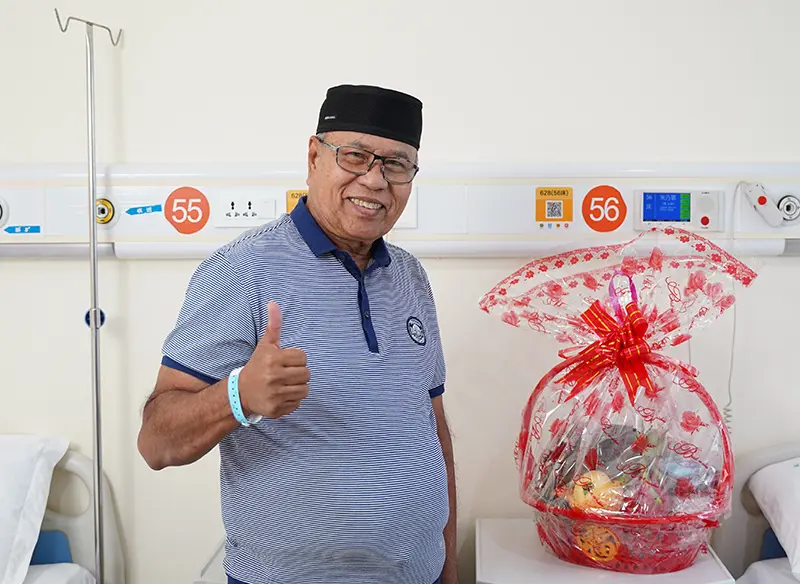
A gentleman in his mid-sixties, dressed in a distinctive black bowler hat, radiates health and vitality. His name is Nurdin, a resident of Indonesia’s Riau Province who has since become a beacon of hope for many facing similar health challenges. When he revisited St. Stamford Modern Cancer Hospital Guangzhou after the pandemic disrupted international travel, his personal struggle against malignancy had already extended into its sixth year.
What makes Nurdin’s story particularly remarkable is the clear victory he has achieved. While his earlier check-ups three years ago marked preliminary success, his most recent visit provided confirmation that he has now fully overcome his condition.
Declining Traditional Surgery: The Decision That Changed Everything
In late 2017, Nurdin experienced concerning symptoms including intestinal bleeding and abdominal discomfort. Medical evaluation at a facility in Malaysia revealed stage 2 disease affecting his colon and rectum. The attending physicians recommended traditional open abdominal surgery, which is the conventional approach for tumors in this location.
Given his age and the inherent risks associated with invasive surgical procedures in older patients, Nurdin and his loved ones made a bold decision to seek alternative options. This moment of uncertainty changed direction when his family recalled that a nephew had achieved positive results through treatment at St. Stamford Modern Cancer Hospital Guangzhou following treatment for lymphatic malignancy.
Discovering Minimally Invasive Solutions
Following extensive internet research, the family discovered that the hospital maintained a clinical office in Medan, Indonesia. After arranging a consultation there, Nurdin received detailed explanations about advanced treatment methodologies and their underlying scientific principles through remote video conferencing. These conversations with the medical team dispelled his uncertainties and reinforced his determination to pursue overseas treatment.
When Nurdin arrived at the hospital in December 2017, the multidisciplinary medical team carefully assessed his medical condition. Given his advanced age and the tumor’s location in such a complex anatomical region, they recommended a comprehensive approach incorporating vascular intervention combined with localized radiation and supportive wellness therapies.
Understanding Interventional Therapy: A Less Invasive Approach
Interventional therapy represented a significant departure from traditional surgical approaches. Rather than opening the body cavity, this technique involves navigating tiny catheters through blood vessels to reach the tumor’s blood supply. Once positioned, specialized medications are introduced directly into the vessels nourishing the malignancy, enabling targeted tumor destruction. This methodology offers multiple advantages:
- Substantially reduced systemic side effects compared to chemotherapy
- Minimal trauma to surrounding healthy tissues
- Accelerated healing and recovery periods
- Precise targeting of cancerous cells
- Ideal for patients unable to tolerate conventional surgery
Nurdin’s response to treatment was encouraging. Following just two sessions of interventional therapy, he experienced dramatic improvements—his abdominal pain significantly diminished, and the intestinal bleeding gradually resolved. These tangible improvements strengthened his resolve to persist with his treatment regimen.
Sustained Treatment and Continued Progress
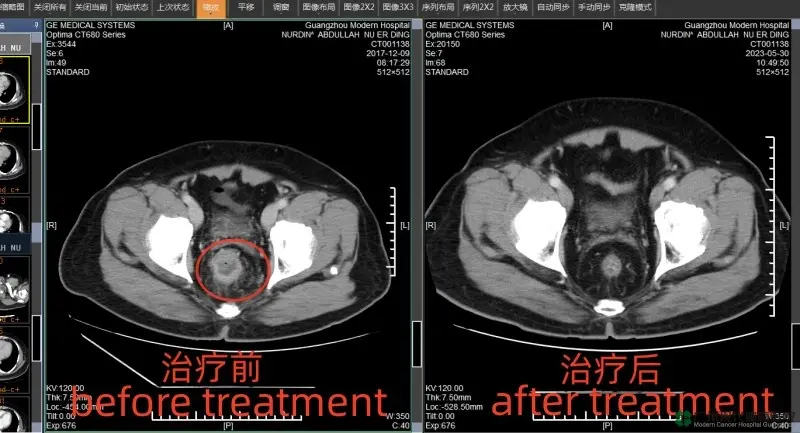
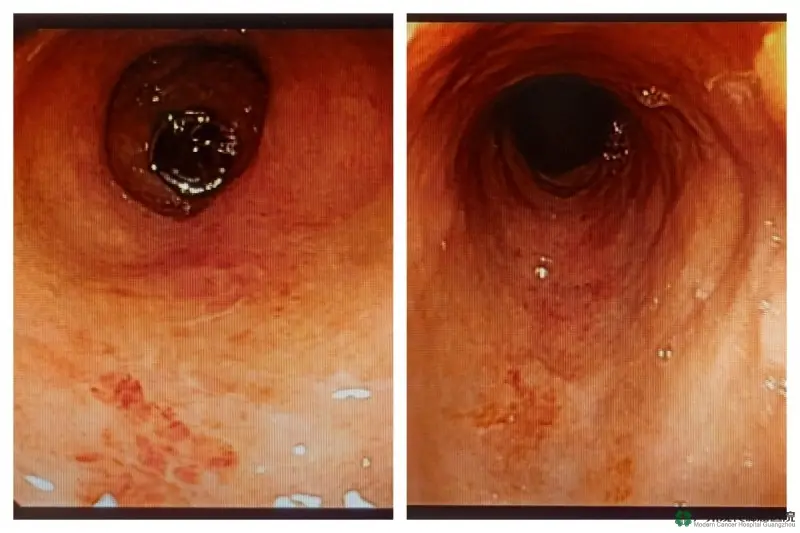
Throughout 2018 and into 2019, Nurdin regularly returned to the hospital for follow-up sessions. He demonstrated exemplary compliance with the medical team’s recommendations, actively participating in all prescribed interventions. In early 2020, he underwent comprehensive imaging studies and endoscopic evaluation, which revealed that the tumor had substantially regressed with no evidence of disease recurrence. His medical team advised that ongoing periodic monitoring would suffice, marking the initial phase of victory against his malignancy.
Three Years of Wellness and Normal Living
The global pandemic prevented Nurdin from returning for regular check-ups during the subsequent three years. However, this extended period brought unexpectedly positive developments. He experienced no physical complications or concerning symptoms. By faithfully adhering to his prescribed medication regimen, he gradually transitioned into a completely ordinary life—managing his personal business ventures, maintaining daily routines, and savoring quality time with his extended family.
When Nurdin finally returned to the hospital in May 2023, he brought with him years of good health and normalcy. Comprehensive endoscopic examination and other diagnostic procedures revealed absolutely no abnormalities. The medical team’s verdict was unequivocal: he could live and function exactly as any healthy individual would. This news brought genuine joy and relief to Nurdin and everyone close to him.
The Human Element: Compassionate Medical Care
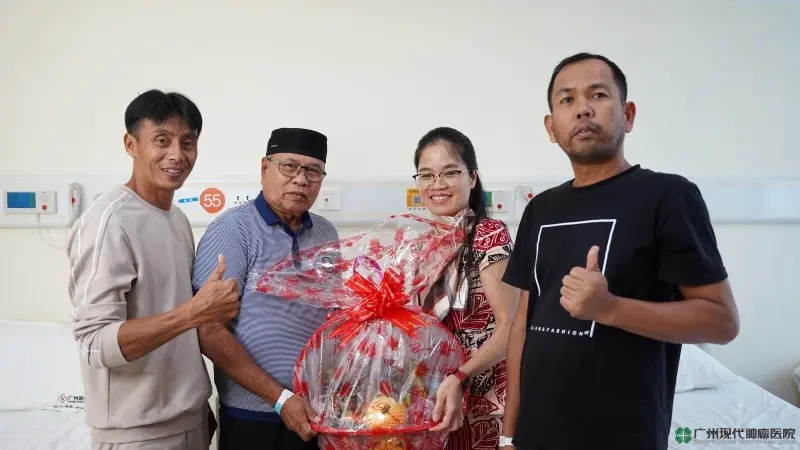
When asked to identify the key factors behind his remarkable recovery, Nurdin consistently credits the hospital’s medical personnel and support team. He spoke with genuine emotion about the psychological importance of their encouragement alongside their technical expertise. The interpreters, nurses, and physicians provided not only clinical treatment but also emotional sustenance during challenging periods when loneliness could have undermined his resolve.
One particularly touching memory involved a specific nurse who had cared for him during his initial hospitalization. Years later, upon his return, recognizing this same caregiver felt like encountering a cherished family member. Such human connections proved invaluable for a patient receiving treatment far from home and surrounded by unfamiliar surroundings.
Beyond Medical Intervention: Lifestyle and Wellness Programs
The hospital’s organized wellness excursions during treatment periods provided psychological relief from the constant focus on illness. These opportunities to temporarily escape from medical concerns and engage in relaxing activities contributed to his overall wellbeing and mental resilience. Nurdin emphasized how these integrated programs helped him maintain a healthy perspective throughout his challenging journey.
Lessons for Cancer Patients: Courage, Patience, and Optimism
Based on his extensive experience, Nurdin offers wisdom to others confronting similar diagnoses. He stresses the critical importance of three attributes: unwavering patience to endure the treatment timeline, genuine courage to confront fear directly, and deliberate maintenance of optimistic thinking throughout the process. He acknowledges that fighting malignancy presents genuine difficulties, but insists that emotional resilience and mental fortitude prove just as important as medical interventions. By avoiding despair and consciously choosing hope, patients can prevent the disease from claiming psychological victory even as they battle its physical manifestations.
A Testament to Second Chances
Nurdin’s recovery now extends across six years since his initial diagnosis, with three consecutive years demonstrating complete freedom from disease. His story illustrates that refusing to accept conventional advice can sometimes lead to better outcomes, particularly when advanced medical technologies offer viable alternatives. Most importantly, his experience demonstrates that patient’s preferences, support from loved ones, and compassionate medical care can work synergistically to transform a frightening diagnosis into a manageable condition—and eventually, a fully resolved one.