

A Lung Cancer Survivor’s Journey
A Life Devoted to Craftsmanship
Reynaldo Panoso, a 47-year-old resident of Manila, had built a fulfilling life centered around his passion for kitchen design and decoration. Working with his hands to transform residential spaces brought him genuine satisfaction, and his reputation had grown steadily as more homeowners sought his expertise. Living alongside his devoted wife and beloved daughter, Panoso embodied the image of a man fully engaged with his family and work. His days were filled with energy and purpose, creating beautiful kitchen environments where families could gather and share meals together.
The Moment Everything Changed
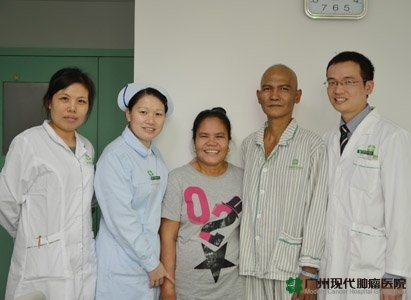
The diagnosis shattered the equilibrium Panoso had carefully built over decades. When he received confirmation of cancer, the emotional weight became almost unbearable. His physical strength deteriorated rapidly alongside his mental state. The confident craftsman who had spent years helping others found himself unable to speak, unable to work, and unable to understand how his body could betray him so thoroughly.
His wife watched helplessly as the vibrant man she had married seemed to fade before her eyes. While she reflected on possible causes—primarily his heavy smoking habit of nearly four cigarettes daily—neither could rewind time nor change what had already occurred. The fear and uncertainty permeated their household as they confronted an enemy neither fully understood nor knew how to fight.
Initial Symptoms Misdiagnosed
Beginning in June 2012, Panoso developed an increasingly severe cough that persisted despite his initial belief that it was merely a temporary respiratory infection such as pneumonia or acute bronchitis. He underwent standard anti-infective medications, but the symptoms showed no improvement. When he finally pursued a comprehensive diagnostic evaluation at the end of June, imaging results raised serious concerns about potential malignancy in his lungs.
The physician recommended a tissue sample procedure to definitively establish the diagnosis, but Panoso refused. His psychological resistance was rooted in a deep-seated trauma: his own father had died during a similar procedure years earlier. The memory of that loss created a paralyzing fear that overshadowed any logical understanding of medical necessity. His wife understood her husband’s emotional barrier, recognizing that no amount of rational persuasion could overcome the shadow his father’s death had cast over his mind.
This refusal to undergo confirmation testing allowed his condition to advance unchecked. As the disease progressed, his physical appearance reflected the toll—his weight dropped dramatically to 43 kilograms, a skeletal figure bearing little resemblance to the robust man he had been.
A Ray of Hope from an Unexpected Source
Relief arrived through an article published in a local newspaper highlighting the medical innovations and therapeutic successes at a major cancer treatment facility in Guangzhou, China. Panoso’s cousin, recognizing the potential significance of these advances, shared the article with the desperate couple and encouraged them to explore this option. For a family living in a city where such advanced medical technologies were scarce, this information felt like a lifeline.
What captivated Panoso most was not merely the promise of treatment, but the technological sophistication described in the article. Advanced equipment and evidence-based methodologies represented a stark contrast to the limited options available locally. He believed that modern science and technological innovation could dissolve the irrational fears that had paralyzed his decision-making. If his resistance was rooted in dread of unknown procedures, then understanding and witnessing advanced capabilities might liberate him from that psychological prison.
Taking the First Step Toward Recovery
The decision to pursue treatment in China marked a turning point in Panoso’s mindset. He and his wife established contact with the hospital’s representative office in Manila and began the coordination process. By late September 2012, they had made the journey to Guangzhou.
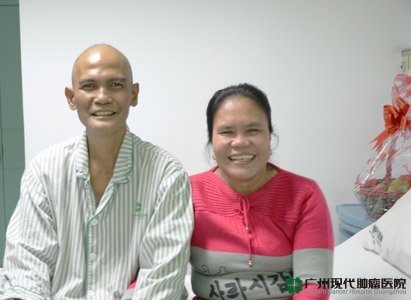
Upon arrival, Panoso’s initial anxiety gradually transformed into confidence. The medical team took time to thoroughly explain the procedures he had previously refused, contextualizing the risks in a way that highlighted how his father’s death represented a preventable complication rather than an inevitable outcome. This education-focused approach, combined with the hospital’s visible expertise and welcoming environment, effectively