

Finding Hope Through Minimally Invasive Treatment
An Unexpected Discovery
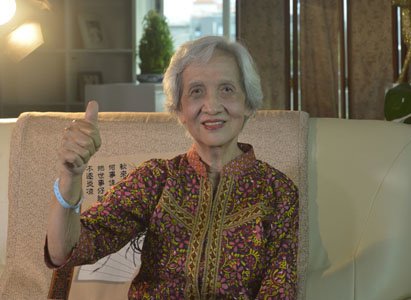
At 74 years of age, Winarni Hadipratomo conducted a routine self-examination and noticed a noticeable lump on the left side of her chest. The mass, measuring approximately two centimeters, was moveable with some associated discomfort upon pressure. Given her advanced age, she initially dismissed it as a minor age-related concern and did not immediately pursue medical attention. However, recognizing the importance of professional evaluation, she scheduled an appointment at a hospital in Jakarta for comprehensive diagnostic testing.
Initial Diagnosis and Conservative Approach
Following ultrasonographic examination, the diagnosis was confirmed: breast cancer. Despite facing this serious health challenge at a mature age, Winarni maintained an optimistic perspective and chose not to be consumed by fear. Rather than pursuing aggressive interventional procedures immediately, she opted for a medication-based management strategy to address her condition.
The pharmaceutical approach initially appeared promising, and she believed the tumor had begun to regress. However, as time progressed, her overall health trajectory showed deterioration rather than improvement. By June 2014, approximately eight months after her initial diagnosis, imaging studies revealed that the malignancy had grown significantly in size. Furthermore, the cancer had spread to nearby lymph structures, including the internal mammary chain nodes and axillary lymph node groups on the affected side. This progression coincided with systemic symptoms including marked fatigue and emotional depression, indicating an increasingly serious clinical situation.
Faced with mounting evidence of disease advancement and considering the potential risks associated with traditional surgical intervention, Winarni and her family made a deliberate choice to explore alternative therapeutic avenues. Her decision was further influenced by observing less-than-ideal outcomes experienced by close acquaintances who had undergone conventional surgical treatment.
A Fortuitous Connection
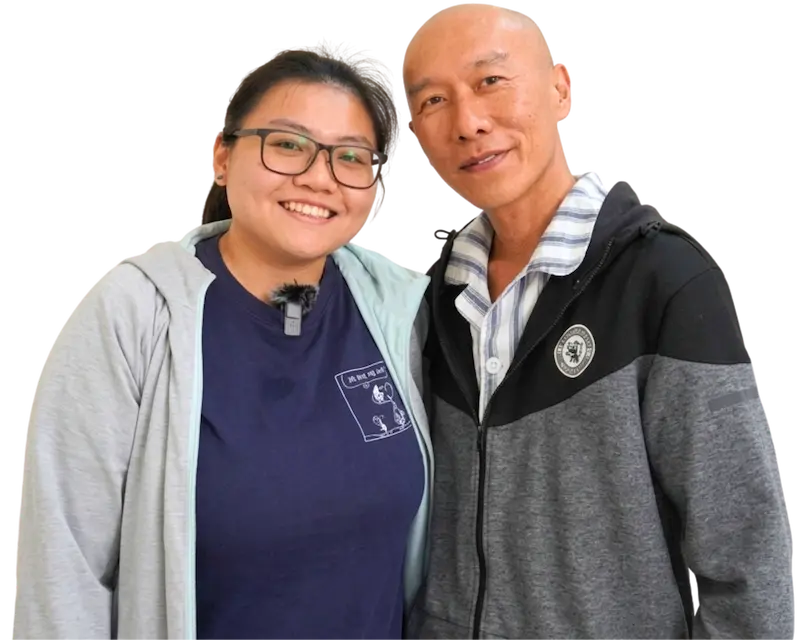
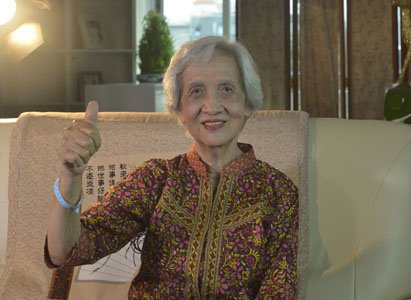
The turning point came through a chance online encounter. While researching cancer treatment options, Winarni’s daughter Diana discovered the website of Modern Cancer Hospital Guangzhou. The welcoming message from the hospital’s online platform initiated what would become a life-changing relationship. After thoroughly researching the hospital’s minimally invasive approaches—including interventional procedures, cryotherapy techniques, and other advanced non-surgical methodologies—the family made the decision to travel for treatment.
Accompanied by both of her daughters, Winarni traveled to the hospital in July 2014 to begin her therapeutic journey.
Transformative Treatment Experience
Upon arrival at Modern Cancer Hospital Guangzhou, the multidisciplinary treatment team conducted a comprehensive evaluation and designed a personalized treatment regimen tailored to her specific clinical presentation. The medical team recommended and initiated interventional therapy as the cornerstone of her treatment approach.
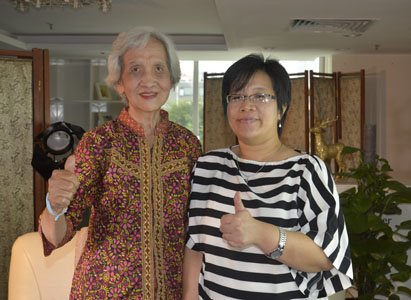
Following one month of continuous therapeutic intervention, Winarni’s clinical status showed considerable improvement, allowing her to return home while maintaining her treatment protocol. She returned for additional therapeutic sessions one month later. After an additional two months of continued care, the positive trajectory of her recovery became increasingly evident. Both she and her family witnessed remarkable changes: her body weight increased, her energy levels significantly improved, and she reported feeling emotionally uplifted. Notably, she no longer experienced the cold sensitivity that had previously troubled her.
Sustained Recovery and Advocacy
More than a year following the initiation of treatment, Winarni continues to experience excellent health outcomes. She has returned to Modern Cancer Hospital Guangzhou periodically for follow-up evaluations and treatment optimization. She maintains a state of wellness that has profoundly transformed her quality of life.
Reflecting on her experience, Winarni expresses deep gratitude toward her treating physician, Dr. Qu Yuji, the entire medical team, and her supportive family members. Their collective dedication contributed substantially to her remarkable recovery.
Before retiring from her professional career, Winarni had served as an instructor in civil engineering, with a teaching tenure spanning from 1965 onward. Her former students are distributed throughout the country, and she recognizes that some among them and their relatives have confronted cancer diagnoses. Winarni has become an enthusiastic advocate, actively recommending Modern Cancer Hospital Guangzhou to those she knows who face similar health challenges.
She encourages other cancer patients to place their confidence in qualified medical professionals and to maintain optimism about their recovery prospects. “The facility boasts cutting-edge minimally invasive treatment technologies,” she notes. “I truly hope that patients facing cancer will have faith in their medical teams and remain hopeful—their journey toward restored health and wellness is achievable.”