

Discovering the Right Treatment Path: My Lung Cancer Recovery
A Diagnosis That Changed Everything
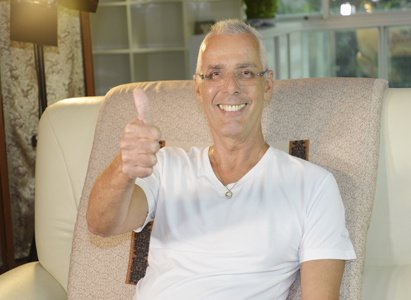
My journey with cancer began unexpectedly in 2014 when I sought medical attention for persistent exhaustion and fatigue. Routine health screening revealed a diagnosis I was unprepared to hear—lung cancer. The news delivered a devastating blow, leaving me in a state of emotional turmoil as I struggled to process this life-altering reality.
Weighing Treatment Options
My healthcare provider in the Netherlands recommended a conventional approach: chemotherapy spanning an entire year. However, I was deeply concerned about the toll such intensive treatment would exact on my body. I had witnessed the debilitating side effects chemotherapy inflicts—severe weakness, hair loss, nausea, and overall deterioration in quality of life. Unable to accept this path, I declined the recommendation.
This decision led to a period of despair. My condition deteriorated progressively, and I felt increasingly hopeless about my prospects. It was during this dark chapter that I discovered information about Modern Cancer Hospital Guangzhou, which reignited my sense of possibility.
Exploring Minimally Invasive Alternatives
What captured my attention was the hospital’s focus on minimally invasive therapeutic approaches rather than conventional chemotherapy and radiation. The facility offered several advanced treatment modalities that seemed promising:
- Interventional therapy—a targeted approach delivered through specialized catheter techniques
- Cryotherapy—utilizing controlled freezing to eliminate malignant tissue
- Gene-targeted therapy—employing molecular-level cancer treatment
These options aligned with my desire to pursue aggressive cancer treatment while minimizing systemic side effects. I arranged a consultation through the Malaysian office, which facilitated my admission to Modern Cancer Hospital Guangzhou.
Beginning Treatment in Guangzhou
In June 2015, I arrived at the hospital in an extremely weakened state—my energy levels had plummeted, and I struggled with basic daily activities. The medical team conducted comprehensive physical and imaging assessments to establish a precise treatment strategy.
After careful deliberation, the multidisciplinary team designed a personalized treatment protocol combining three therapeutic modalities: cryotherapy, interventional therapy, and gene-targeted therapy. This integrated approach aimed to attack the cancer from multiple angles while preserving overall organ function and quality of life.
The Treatment Journey
My initial cryotherapy session began with medicine administration delivered through a percutaneous approach via my back. Although I remained fatigued immediately following the procedure, something remarkable occurred within the next three to four days. My energy levels began rising noticeably, and I experienced renewed vitality that had eluded me for months.
This rapid improvement confirmed that I had made the right decision. The contrast between how I felt before treatment and after those initial interventions was unmistakable—physical strength returned, mental clarity improved, and hope replaced despair.
Over the subsequent months, I completed a total of four interventional therapy sessions, one additional cryotherapy session, and one gene-targeted therapy session. Each treatment was carefully timed and monitored to optimize therapeutic benefit while allowing my body adequate recovery intervals.
Results and Transformation
The outcomes exceeded my expectations. Following these coordinated interventions, imaging studies revealed that my tumor had contracted significantly—from its initial measurement of five centimeters down to two centimeters. This dramatic size reduction represented not just a numerical improvement, but a tangible sign that the cancer was responding positively to treatment.
Learning these results filled me with profound gratitude and renewed determination to continue my recovery journey. The physical improvements in my energy, appetite, and overall well-being paralleled the radiological evidence of tumor shrinkage.
The Human Element of Care
Beyond the advanced medical technologies and clinical expertise, what profoundly impacted my experience was the quality of human connection. The physicians, nursing staff, and medical interpreters demonstrated genuine compassion and commitment to my recovery. They provided not only medical care but also emotional support, encouragement, and friendship during a vulnerable time.
The entire team became my allies in the fight against cancer—they stood beside me, celebrated my progress, and believed in my ability to overcome this disease when my own faith wavered.
A Message of Hope
I am eternally grateful to Modern Cancer Hospital Guangzhou for offering me an alternative path when conventional medicine seemed like my only option. My experience demonstrates that individuals facing a cancer diagnosis have choices beyond the standard protocols that may feel psychologically and physically overwhelming.
To fellow cancer patients reading this story: do not lose hope, and do not hesitate to explore treatment approaches that align with your values and medical circumstances. The right therapeutic regimen exists for you, as it did for me. With proper medical guidance, determination, and support, recovery is achievable.