


Overcoming Nasopharyngeal Cancer Through Persistence
A Journey Begins with Persistent Symptoms
When Conin Hober first experienced intense neck discomfort ten months before seeking specialized care, he visited medical facilities in his hometown hoping for answers. Diagnostic imaging through magnetic resonance revealed what appeared to be misalignment affecting the cervical spine between the fifth and sixth vertebrae. The resulting pain proved severe and debilitating, requiring analgesic medication three times daily throughout a half-year period. Even with enhanced pain management protocols including injectable treatments, relief remained temporary, with symptoms recurring within one to two days.
Without clear understanding of the underlying cause, Conin continued to experience additional complications. Nasal congestion developed, leading him to use nasal irrigation treatments for approximately two months without improvement. Subsequently, his hearing became compromised, adding another layer of physical distress to his deteriorating health condition.
Diagnosis Reveals Serious Malignancy
Growing increasingly concerned about the constellation of worsening symptoms, Conin sought evaluation from otolaryngology specialists at his regional medical center. Through specialized endoscopic examination of the nasopharynx, physicians identified a suspicious mass. Tissue sampling via biopsy confirmed a devastating diagnosis: squamous cell carcinoma affecting the nasopharyngeal region. The pathology report indicated that the malignant growth occupied nearly the entire nasopharyngeal space.
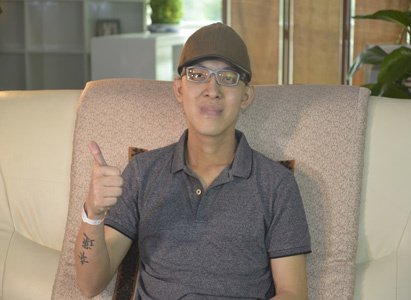
The psychological impact of a cancer diagnosis proved overwhelming. However, Conin recognized that despite his fear and emotional distress, treatment was necessary—not only for his own survival but for his family’s wellbeing. The pivotal moment came when he made the decision to seek advanced care rather than surrender to the disease.
Selecting the Right Treatment Center
Determined to find the most appropriate facility for his condition, Conin conducted extensive research on specialized cancer treatment institutions. Two primary options emerged: a facility in Penang, Malaysia, and Modern Cancer Hospital Guangzhou. The final decision was reached through family consultation, where multiple perspectives proved valuable. His wife’s aunt, his sister, and three family physicians who were close relatives all recommended the Guangzhou facility based on its comprehensive treatment approach and clinical reputation.
This consensus strengthened Conin’s confidence in his choice. He described the decision as divinely guided, marking a turning point in his treatment journey.
Comprehensive Treatment Protocol Implementation
Following his arrival at Modern Cancer Hospital Guangzhou on May 22, 2015, Conin underwent thorough diagnostic evaluations. The institutional multidisciplinary team developed a personalized treatment strategy tailored to his specific clinical presentation. His initial therapeutic phase included two cycles of interventional treatment, after which his cervical pain symptoms showed marked improvement.
As summer progressed, Conin received additional interventional sessions alongside systemic chemotherapy administered through intravenous infusion. He also underwent external beam radiation therapy targeting the nasopharyngeal region. While these interventions proved therapeutically beneficial, they produced significant side effects. Post-radiation symptoms included substantial pain in the treated area and severe difficulty with swallowing, resulting in significant nutritional challenges and substantial weight loss—approximately 21 kilograms over the treatment course.
Understanding Minimally Invasive Versus Traditional Approaches
During his treatment experience, Conin developed appreciation for the distinction between minimally invasive methodologies and conventional therapeutic modalities. The interventional techniques and natural therapy components caused comparatively fewer adverse reactions, whereas radiation therapy, though necessary, produced considerable discomfort and complications. Despite the physical toll, Conin maintained confidence in his medical team and remained committed to completing the prescribed regimen, understanding that temporary suffering served the greater goal of eliminating the malignancy.
Tumor Resolution and Recovery
During Conin’s third hospitalization at the facility, his attending physician delivered encouraging news: imaging studies confirmed complete disappearance of the nasopharyngeal tumor. Following this milestone, the care team incorporated natural therapy approaches designed to strengthen his immune system and enhance the body’s inherent capacity to identify and eliminate any remaining malignant cells.
Today, Conin maintains stable health with markedly improved functional status. The troubling symptoms that initially brought him to medical attention—neck pain, nasal obstruction, and hearing loss—have all substantially resolved. His recovery demonstrates the potential of coordinated, comprehensive cancer management strategies.
Message of Hope and Encouragement
Reflecting on his transformation, Conin expresses deep gratitude toward Modern Cancer Hospital Guangzhou and its entire healthcare team. He particularly appreciated the compassionate approach in which medical staff treated patients as family members rather than mere cases. Beyond personal recovery, Conin has become an advocate for cancer patients facing similar circumstances. His primary message emphasizes the critical importance of maintaining commitment to appropriate treatment protocols. According to his experience, persistent engagement with effective therapy—combined with faith, family support, and determination—can overcome what initially appears to be an insurmountable diagnosis. His journey stands as testimony that cancer need not be a death sentence for those willing to pursue aggressive, scientifically-based treatment options.