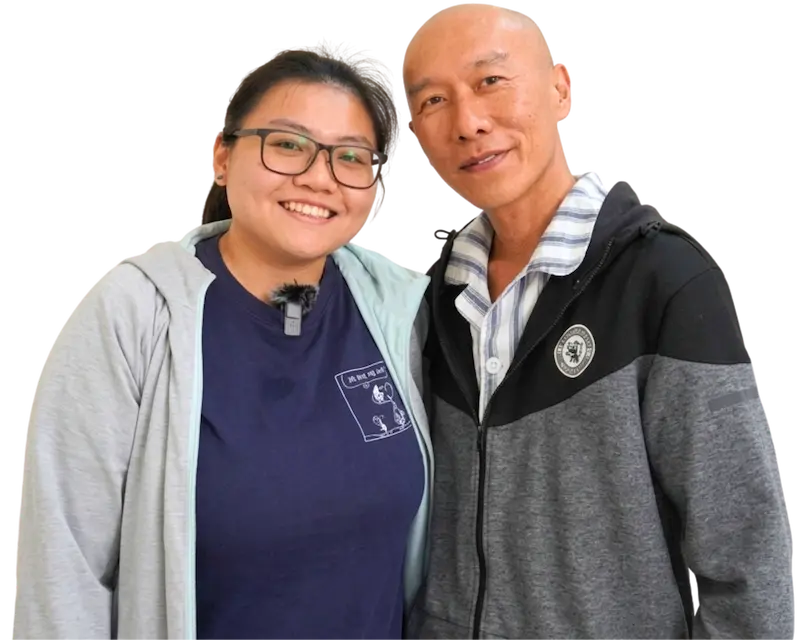


From Despair to Hope: How Interventional Therapy Restored My Zest for Life
A Journey From Initial Symptoms to Diagnosis
Low Chew Long, a 48-year-old resident of Malaysia, discovered a small abnormality in his body during October 2015. A peanut-sized mass had developed beneath the skin in his left armpit, but since it caused no discomfort or pain, he chose to monitor it without immediate medical attention.
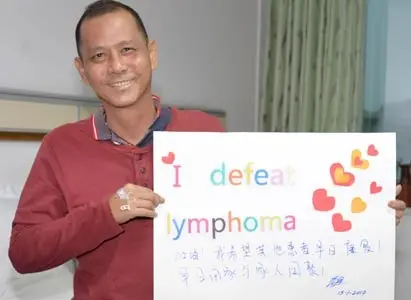
Within weeks, the situation deteriorated significantly. The original lump expanded to roughly the size of an egg, and additional swollen lymph nodes began appearing along his collarbone area. Concerned about these developments, Low Chew Long underwent a biopsy at a local medical facility. The results confirmed a serious diagnosis: Stage IV lymphoma, an advanced malignancy affecting the lymphatic system.
Initial Treatment Hesitation and Deterioration
Upon receiving his diagnosis, the attending physician at the local hospital recommended chemotherapy as the standard treatment course. However, Low Chew Long had reservations about this approach, primarily due to concerns regarding the severe adverse effects commonly associated with systemic chemotherapy. He decided to explore alternative therapeutic options and began pursuing traditional Chinese medicine treatments instead.
This decision proved counterproductive. Over the subsequent four months, his condition progressively worsened. Multiple enlarged lymph nodes now manifested throughout both armpits and neck regions, causing him considerable physical distress and emotional uncertainty about his prognosis.
Discovery of a New Treatment Path
Low Chew Long’s circumstances began shifting when he encountered information about St. Stamford Modern Cancer Hospital Guangzhou through a newspaper article. The discovery sparked renewed hope. He learned the facility was hosting a complimentary cancer symposium in Kuala Lumpur that would include consultations with experienced oncologists.
He attended the symposium and engaged in detailed conversations with the medical team about minimally invasive treatment methodologies. What he discovered represented a significant departure from conventional chemotherapy—these cutting-edge approaches could target his disease while potentially minimizing the debilitating side effects that had deterred him from standard treatment. Encouraged by this information, he made the decision to travel to China for treatment without hesitation.
Diagnosis and Treatment Planning at Modern Cancer Hospital
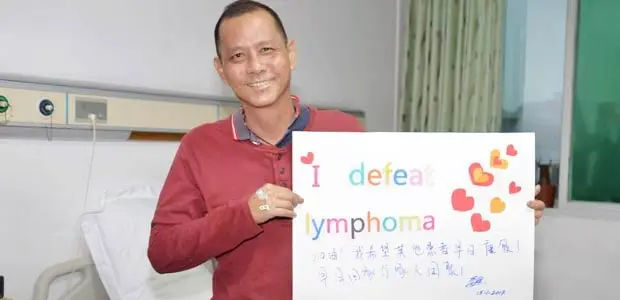
Upon arrival at St. Stamford Modern Cancer Hospital Guangzhou in March 2016, Low Chew Long underwent comprehensive diagnostic evaluation. The facility’s specialists confirmed his diagnosis as Hodgkin’s Lymphoma with extensive lymph node involvement. Rather than a single physician making treatment decisions, the hospital’s multidisciplinary team—comprising oncologists, radiologists, and other specialists—convened to thoroughly evaluate his case and develop an optimal therapeutic strategy.
After careful deliberation, the MDT recommended interventional therapy as the most suitable treatment approach for his specific condition. This decision reflected both the advanced nature of his disease and the potential advantages of minimally invasive methodology for his particular presentation.
The Treatment Experience and Immediate Results
During the interventional therapy procedure, Low Chew Long experienced only mild discomfort. He described a sensation of warmth spreading throughout his body as the treatment was administered. Importantly, his trust in the medical team and confidence in the procedure allowed him to approach the treatment with minimal anxiety, which he believed contributed to a smoother overall experience.
The treatment outcomes exceeded expectations. Following the interventional therapy, his tumors demonstrated substantial shrinkage. Remarkably, he experienced virtually no adverse effects during or after the procedure—a stark contrast to what he had witnessed in other patients undergoing conventional chemotherapy.
His physical transformation became evident to everyone around him. Where he had previously suffered from weakness and diminished energy, he now possessed vigorous health and stamina. He could be observed walking freely throughout the hospital grounds with considerable energy, a testament to his recovery.
Comparative Outcomes and Personal Reflection
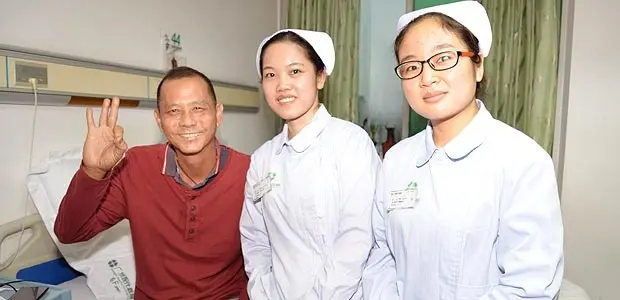
Low Chew Long’s recovery inspired reflection on alternative outcomes. He shared an observation about a friend who had undergone cancer treatment in Malaysia using conventional methodologies. That individual had suffered significant side effects that left him physically diminished—he now required assistive devices to walk. In contrast, Low Chew Long maintained his normal functioning and vitality without such consequences. This comparison deepened his gratitude for the treatment path he had chosen.
Remarkably, despite undergoing treatment for a serious malignancy, Low Chew Long actually gained weight during his hospitalization period, gaining approximately two kilograms. This outcome symbolized his body’s recovery and his ability to maintain proper nutrition throughout the therapeutic process.
A Message of Hope and Resilience
Possessing an inherently optimistic temperament, Low Chew Long became an encouraging presence within the hospital environment. He actively inspired other patients navigating similar cancer journeys, consistently emphasizing a straightforward yet powerful message: “Do not allow fear to dominate your response to this disease. Cultivate strength and maintain a positive psychological outlook—these attitudes directly contribute to improved therapeutic outcomes.”
Despite his cancer diagnosis, his enthusiasm for living remained undiminished. He formed genuine connections with fellow patients and hospital staff members, earning their respect and admiration through his engaging personality and resilience. His presence seemed to lift the spirits of everyone around him.
Gratitude and Continued Optimism
Reflecting on his entire experience, Low Chew Long expressed profound appreciation to St. Stamford Modern Cancer Hospital Guangzhou for restoring his confidence and enabling him to move forward with his life. He particularly acknowledged his attending physician and nursing staff, who had demonstrated patience, compassion, and attentive care throughout his treatment journey.
Despite receiving medical care in a foreign country far from his home, he felt remarkably comfortable and supported. The hospital’s patient-focused amenities, including complimentary sightseeing and recreational opportunities, contributed substantially to a healing environment that addressed not only his physical health but his psychological well-being during a vulnerable time.
Low Chew Long’s case exemplifies the transformative potential of advanced minimally invasive treatment modalities combined with comprehensive, compassionate medical care. His journey from despair and deterioration to restored health and renewed passion for living stands as a powerful testament to modern oncological medicine and the importance of seeking second opinions and exploring innovative treatment options when conventional approaches present unacceptable risks.