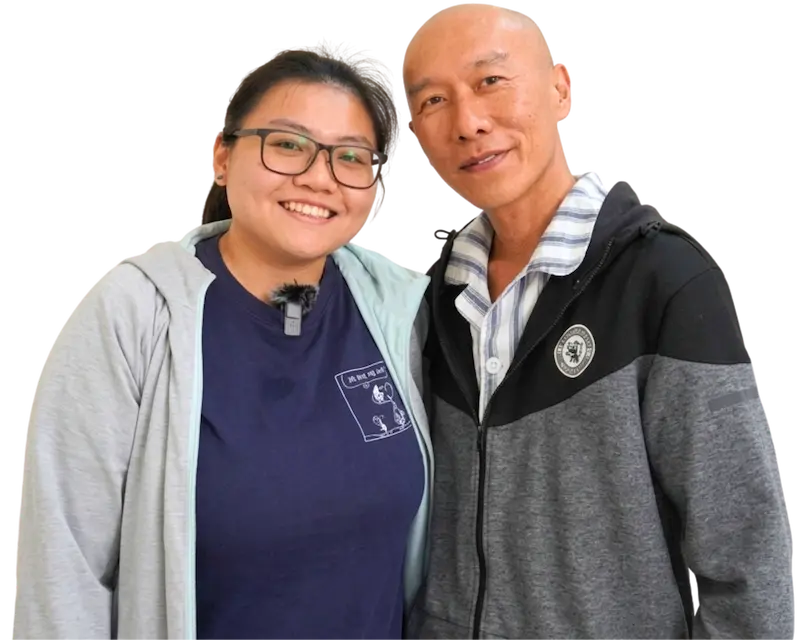


Thai General Overcomes Metastatic Lung Cancer
A Prominent Military Figure’s Battle with Advanced Lung Disease
General Yuwanud of Thailand, a distinguished retired military officer, faced one of the most challenging battles of his life at age 70 when he received a diagnosis of lung malignancy in 2021. Following initial consultation with local physicians, he proceeded with a right upper lobe resection at a medical center in his home country. To combat the aggressive nature of his condition, he underwent multiple courses of systemic chemotherapy and radiation-based treatment protocols.

Despite these intensive interventions, the disease proved to be more formidable than anticipated. The cancer cells continued to proliferate and establish new sites of involvement throughout his body, a process known as metastatic spread. Compounding these medical challenges was his age and a documented history of severely elevated cardiovascular risk factors, particularly uncontrolled hypertension. These coexisting health conditions significantly limited his physical tolerance for additional aggressive therapies. It was at this critical juncture that the General and his family made the pivotal decision to explore more sophisticated treatment alternatives.
Seeking Advanced Therapeutic Options
In March 2024, General Yuwanud traveled to St. Stamford Modern Cancer Hospital Guangzhou with considerable hope and determination. The facility’s reputation for innovative, tissue-sparing treatment methodologies aligned perfectly with his medical needs. The hospital’s multidisciplinary medical team conducted a comprehensive evaluation of his clinical status and designed a customized therapeutic regimen specifically addressing his unique circumstances.
The treatment strategy consisted of three complementary approaches: minimally invasive interventional therapy to directly target the primary lung lesions, radioactive seed implantation to address concerning lymph node involvement, and immunotherapy to fortify his natural defense mechanisms.
Understanding Minimally Invasive Interventional Therapy
The General was particularly drawn to the minimally invasive interventional approach after learning about its distinct advantages. Unlike conventional systemic chemotherapy, which circulates therapeutic agents throughout the entire body and inevitably damages surrounding healthy tissue cells, interventional therapy operates with surgical precision.
The procedure involves threading a specialized catheter from the patient’s blood vessels directly into the arterial system supplying the malignant tissue. High concentrations of therapeutic medication are then infused directly into the cancer lesions themselves. This targeted delivery mechanism accomplishes several critical objectives simultaneously:
- Maximized drug concentration at the disease site, increasing therapeutic efficacy by 4 to 10 times
- Significantly reduced systemic toxicity to normal organ tissues and healthy cells
- Minimized procedural trauma to surrounding anatomical structures
- Repeatable treatment capability without cumulative harm to the body
- Rapid recovery with substantially fewer adverse side effects
The General eloquently described his reasoning: “Minimally invasive interventional therapy represents the optimal selection for my treatment needs. This methodology protects normal tissues that remain disease-free, whereas conventional intravenous chemotherapy functions somewhat like a military campaign that eliminates both enemy forces and friendly forces simultaneously—inevitable collateral damage. The interventional approach demonstrates exceptional precision and safety.”
Clinical Results and Remarkable Recovery
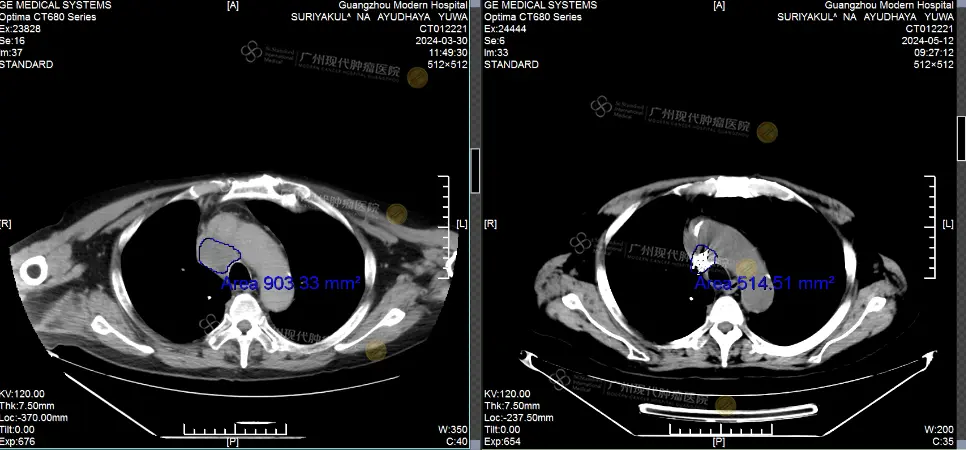
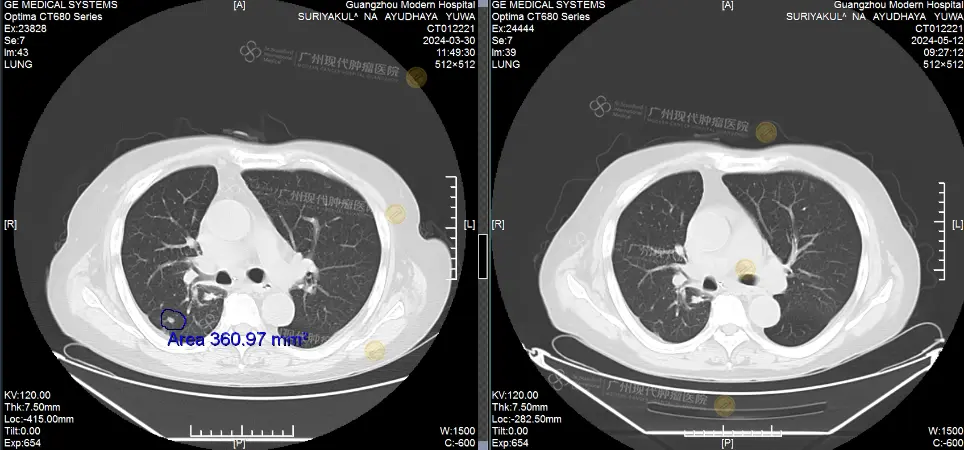
Following just two comprehensive treatment cycles utilizing the combined interventional approach, imaging studies revealed striking therapeutic success. The primary lung tumor had reduced in volume by 60 percent. More significantly, the debilitating shortness of breath that had severely impaired his quality of life completely resolved.
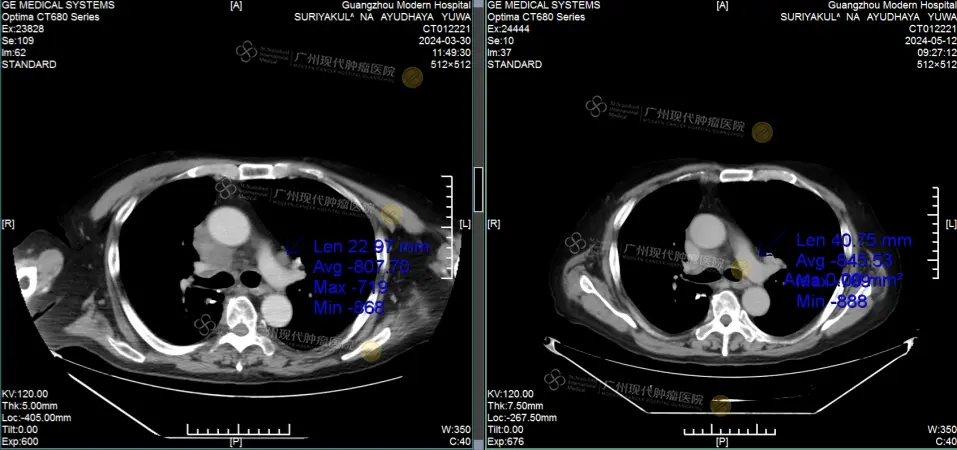
The transformation in the General’s physical capability was equally impressive. Upon initial hospitalization, he required mobility assistance and needed help with basic daily activities such as bathing. Within weeks of initiating his treatment program, he achieved complete functional independence and could move about freely without physical assistance.
The radioactive seed implantation component successfully eliminated the risk of superior vena cava compression syndrome—a potentially life-threatening complication that can arise from metastatic lymph node enlargement. The immunotherapy component strengthened his natural immune response, enhancing his overall physical conditioning and resilience.
The Influence of Personal Recommendations
When asked about the factors influencing their decision to pursue treatment in Guangzhou, the General’s wife shared a compelling narrative. Years earlier, a close family acquaintance, Mr. Prasit, received a diagnosis of stage four laryngeal cancer. Physicians in Thailand delivered a grim prognosis: survival beyond two months seemed unlikely. Mr. Prasit chose to travel to St. Stamford Modern Cancer Hospital Guangzhou for treatment and achieved what is termed “clinical remission”—freedom from active disease. Nearly a decade has elapsed since his treatment, and Mr. Prasit continues to enjoy robust health and active engagement in his life.
This personal testimony proved instrumental in the family’s confidence. Through Mr. Prasit’s introduction, the General arranged a consultation at the hospital’s Bangkok international service center. After meeting with the medical team and understanding the proposed treatment plan, he made an immediate decision. The administrative efficiency was remarkable: only two days elapsed between the initial consultation and his formal hospital admission.
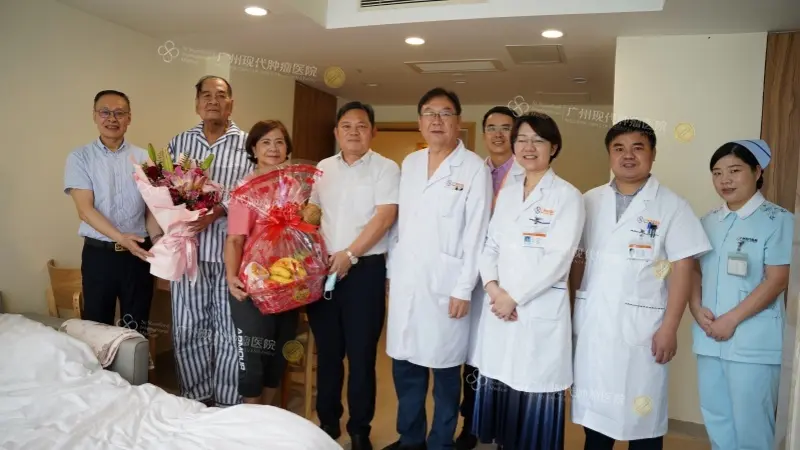
Beyond Medical Treatment: Comprehensive Patient Support
Many international patients harbor legitimate concerns about language barriers, environmental discomfort, and cultural differences when seeking medical treatment abroad. The General’s wife spoke candidly about her initial apprehensions and their complete resolution upon arrival:
“The professionalism commenced the moment our aircraft touched down. A hospital delegation met us directly at the airport terminal, and a professional Thai-speaking medical liaison remained at our side throughout. Upon arrival at the facility, our check-in process proceeded without delay or complications. Every aspect—from the ward environment to the nursing staff, translators, and physician team—reflected exceptional professionalism and genuine warmth.”
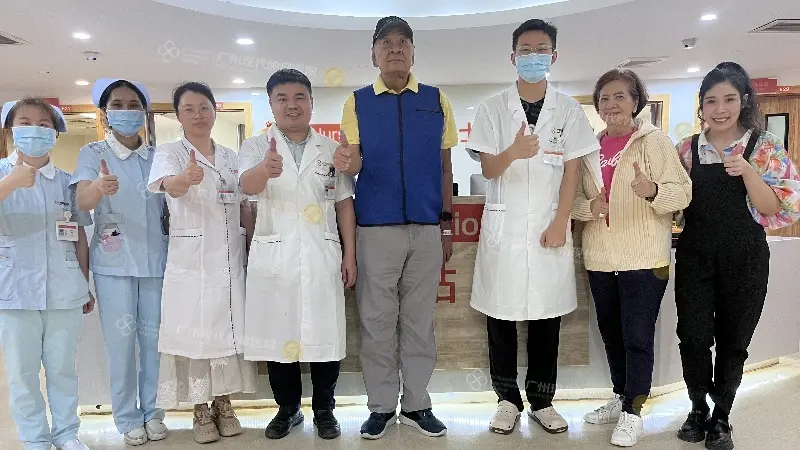
The hospital’s organizational structure impressed her deeply. Recognizing that different malignancies require specialized expertise, St. Stamford Modern Cancer Hospital Guangzhou established dedicated departments for specific cancer types—breast disease, colorectal pathology, pulmonary oncology—each staffed with physicians possessing focused expertise. Furthermore, the facility extended its commitment beyond medical intervention through its “concierge” approach to patient care, addressing every dimension of patient needs including nutrition, accommodation, transportation, and personal comfort throughout the treatment journey.
A Patient’s Recommendation for Others
At the conclusion of his treatment journey, General Yuwanud offered this counsel to individuals navigating their own cancer diagnosis: “To anyone currently evaluating treatment institutions and therapeutic methodologies, I earnestly recommend considering minimally invasive interventional treatments at St. Stamford Modern Cancer Hospital Guangzhou. Our family invested considerable time researching numerous facilities and therapeutic options before reaching consensus on this institution. The results we achieved have validated that decision decisively.”
He further reflected on the philosophical dimension of his experience: “For individuals confronting malignant disease, time represents survival itself. Cancer cells multiply with alarming velocity, and disease progression poses unprecedented medical challenges. Selecting an appropriate medical institution and an evidence-based treatment methodology represent essential steps toward not merely slowing disease advancement but potentially achieving disease remission.”
St. Stamford Modern Cancer Hospital Guangzhou has dedicated nearly two decades to advancing minimally invasive oncological treatment on a global scale. The institution brings together cutting-edge medical technology, a robust multidisciplinary physician network, and service quality standards designed to support patients throughout their treatment experience. For the General and his family, this integrated approach transformed a seemingly hopeless prognosis into a genuine chance at restored vitality and continued living.