

Young Lymphoma Patient Returns to School Through Minimally Invasive Treatment
A Life Interrupted by Unexpected Diagnosis
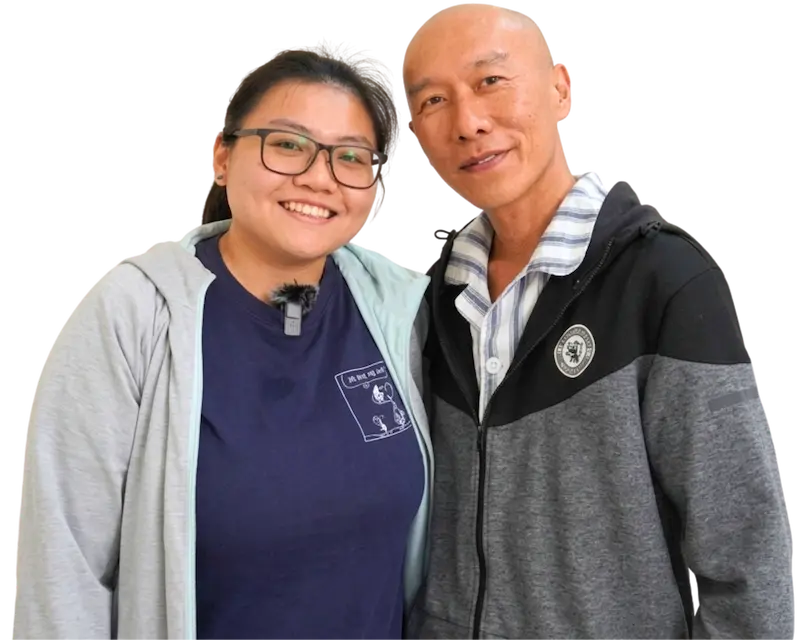
At just 18 years of age, Gracia was a vibrant young man full of energy and enthusiasm about his future. In July 2023, his life took an unexpected turn when he noticed a growing lump on the side of his neck. This enlargement became increasingly problematic, causing him to experience severe sleep disturbances that affected both his physical health and academic performance.
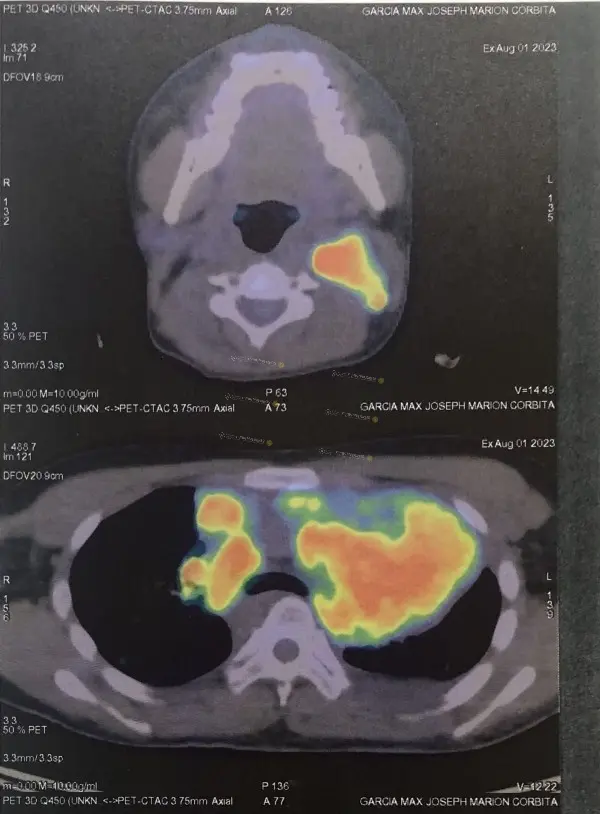
Local medical professionals in the Philippines performed a tissue sampling procedure and analysis, which confirmed the diagnosis of Hodgkin lymphoma. Imaging studies revealed multiple enlarged lymph nodes in his cervical region on the left side, with the largest measuring approximately 71 millimeters by 43 millimeters by 93 millimeters. The impact of this diagnosis extended far beyond the physical symptoms—Gracia’s education came to an abrupt halt, and both he and his family faced the emotional challenge of confronting a serious malignancy in someone so young.
Seeking Alternative Treatment Options
When local physicians recommended chemotherapy as the standard treatment approach, Gracia and his family had significant concerns. They recognized that while chemotherapy could be effective, the potential side effects—particularly at his young age—could have long-lasting consequences for his health and quality of life going forward. The family made the decision to explore other possibilities and consulted with multiple healthcare providers in search of different therapeutic approaches.
Through personal recommendations, they discovered St. Stamford Modern Cancer Hospital in Guangzhou, which offered advanced minimally invasive treatment options. Despite their initial uncertainty about traveling to a foreign country for treatment, they made the courageous decision to pursue this alternative path.
Arriving at the Hospital and Comprehensive Assessment
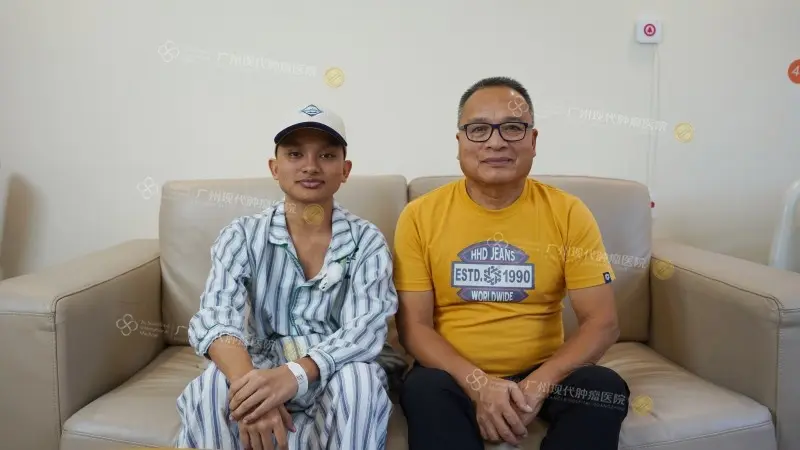
When Gracia and his parents arrived, they were greeted with thoughtful hospitality that immediately eased their concerns about being in an unfamiliar setting. The hospital arranged convenient transportation from the airport, demonstrating a patient-centered approach that helped them feel welcomed during this vulnerable time.
Upon admission, the hospital’s medical team conducted a thorough evaluation. The examination confirmed that Gracia had enlarged lymph nodes on both the left and right sides of his neck, with several of the larger nodes merged together into clusters. The diagnosis of Hodgkin’s lymphoma was confirmed, and the multidisciplinary team developed a personalized treatment strategy based on his specific clinical presentation.
Minimally Invasive Interventional Approach
The hospital’s medical team selected minimally invasive interventional therapy as the optimal treatment method for Gracia’s condition. This approach utilizes sophisticated imaging technology to guide therapeutic agents directly to the tumor site, allowing physicians to deliver concentrated chemotherapy precisely where it is needed while minimizing damage to surrounding healthy tissue.
Gracia underwent percutaneous arterial tumor infusion chemotherapy, a technique that allows medication to be delivered directly into the blood vessels supplying the tumor. The procedure was performed smoothly and did not cause significant discomfort during or after the intervention. Following the treatment, the medical team provided supportive nutritional therapy to help him maintain optimal physical condition and support his recovery.
The advantages of this minimally invasive strategy include its high degree of accuracy, safety, efficiency, and applicability to a broad range of cancers with minimal complications. Patients experience faster recovery compared to traditional surgical approaches and can return to normal activities much more quickly.
Remarkable Clinical Progress
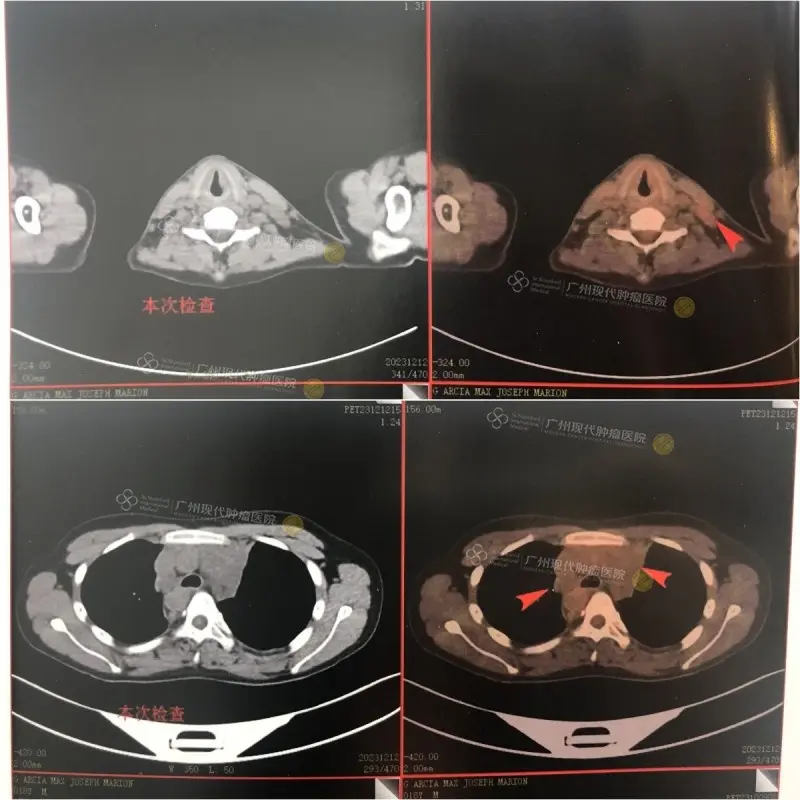
After completing just two sessions of interventional therapy, the imaging results demonstrated substantial shrinkage of the lymph nodes in Gracia’s neck. This significant reduction represented an important milestone in his treatment journey and provided both Gracia and his family with tangible evidence that the therapeutic approach was working effectively. Gracia himself noted that he experienced meaningful relief from the pain and discomfort that had plagued him since the initial diagnosis.
Finding Hope and Inspiration in the Hospital Environment
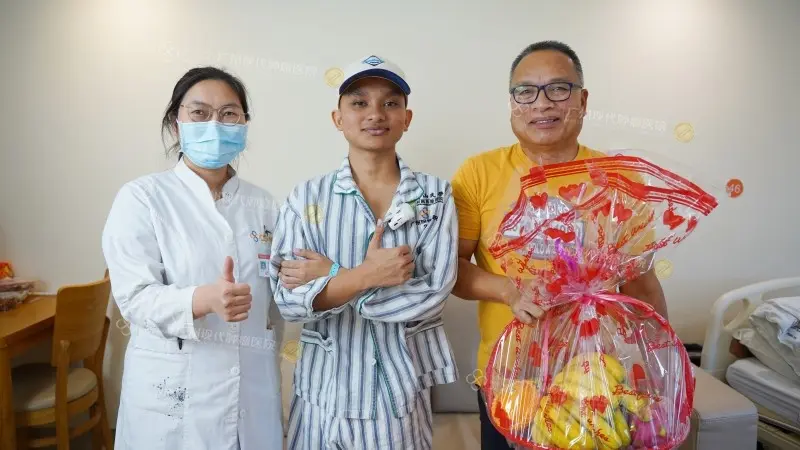
What struck Gracia’s father most profoundly was not just the medical excellence of the facility, but the overall atmosphere and energy within the hospital. Despite being surrounded by patients dealing with serious malignancies, everyone maintained a remarkably positive and engaged attitude. Even patients in the most advanced stages of disease—those classified as stage III or IV—had not surrendered their hope or determination.
This cultural environment stood in stark contrast to what Gracia’s family had observed in Philippine hospitals. Both the medical staff and patients themselves radiated resilience and optimism, creating an atmosphere that was fundamentally different from what the family had previously experienced. This psychological support proved invaluable, helping Gracia maintain a positive mindset during his recovery process.
Returning to Life as a Young Adult
Gracia acknowledged the profound disruption that his cancer diagnosis had caused to his academic journey. Missing school and being unable to participate in the normal activities and social events that define the teenage experience represented more than just academic loss—it symbolized the interruption of his transition into adulthood.
However, witnessing the dramatic response of his disease to treatment has transformed his perspective. The clinical evidence of the shrinking tumors has reignited his hope and given him renewed confidence in his future. He now believes that his recovery is within reach and that he will soon be able to resume his education and rejoin his classmates in the normal rhythms of school life.
For other young patients facing similar diagnoses, Gracia’s message is one of unwavering encouragement: maintain hope, place your trust in your medical team, and believe in your own strength and resilience. Cancer is a formidable opponent, but it is not insurmountable. With the right treatment approach, supportive care, and mental fortitude, recovery is possible.