


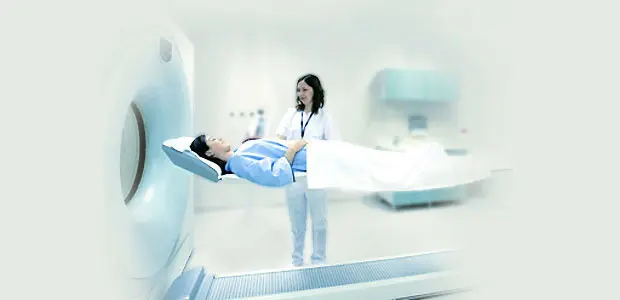
Thermal Therapy for Cancer Treatment
What Is Endogenous Field Thermotherapy?
Endogenous field thermotherapy is a treatment method that applies two electrical currents of different frequencies, allowing them to intersect vertically deep within the body. At the point where these currents cross, an interfering electric field is created, and this field raises the temperature of tumor tissue to a range of 42.5°C to 43.5°C, sustained for over 40 minutes. This sustained heating disrupts and halts the proliferation of cancer cells. Beyond its direct toxic effect on malignant cells, the therapy also strengthens the results achieved through chemotherapy and radiotherapy, supports the immune system, and helps prevent the tumor from spreading to other areas of the body.
How the Treatment Works
Tumors typically develop blood vessels that are irregular and dilated, creating higher resistance to blood flow. Their vascular structure is also underdeveloped, which limits the tumor’s ability to sense and release heat efficiently. As a result, malignant tissue tends to trap thermal energy rather than dissipate it, causing its temperature to run 5–10°C higher than the temperature of surrounding healthy tissue. Normal, healthy cells, in contrast, can withstand extended exposure to temperatures between 42.5°C and 43.5°C without harm. This difference is what allows thermal therapy to selectively destroy tumor cells through heat while leaving normal tissue largely unaffected, avoiding common side effects such as bone marrow suppression or hair loss that are typically associated with other cancer treatments.
Why High Temperatures Are Effective Against Tumor Cells
- Cell membrane and genetic material damage: Elevated heat breaks down the structure of the cancer cell membrane and interferes with the synthesis of DNA, RNA, and proteins, which stops the cells from multiplying and ultimately leads to their death.
- Lysosomal disruption: High temperatures increase the activity of lysosomes within cancer cells, triggering a large release of acid hydrolase enzymes. This causes the cell membrane to rupture, the cytoplasm to leak out, and the cell to die.
- Metabolic interference: Heat suppresses the respiratory function of cancer cells, forcing them to rely more heavily on anaerobic glycolysis. This leads to a buildup of lactic acid, increasing acidity within the cell, which raises enzymatic activity to harmful levels and results in cell death.
- Immune system activation: High heat stimulates, protects, and strengthens the body’s immune response, enhancing its natural capacity to eliminate cancer cells — an advantage not typically offered by conventional radiotherapy or surgery.
Key Advantages of Thermal Therapy
- Produces minimal noticeable side effects
- Temperature is precisely regulated through a computerized control system
- Capable of heating both surface-level and deep-seated tumors directly
- Can be combined with radiotherapy and chemotherapy to enhance their overall effectiveness
Clinical Applications
Thermal therapy is used across a broad range of clinical scenarios, including:
- Tumors located near the body’s surface
- Malignant pleural effusion and ascites
- Deep-seated tumors within the chest, abdomen, and pelvic region
The therapy is applied in the treatment of several cancer types, including esophageal cancer, lung cancer, stomach cancer, intestinal cancer, liver cancer, ovarian cancer, and uterine cancer.
Applicable Conditions
This technology is generally suitable for patients with esophageal cancer, lung cancer, stomach cancer, intestinal cancer, liver cancer, ovarian cancer, and cervical cancer, among other malignancies.