

Embracing Life with Renewed Confidence: A Journey Through Breast Cancer Recovery and Reconstruction
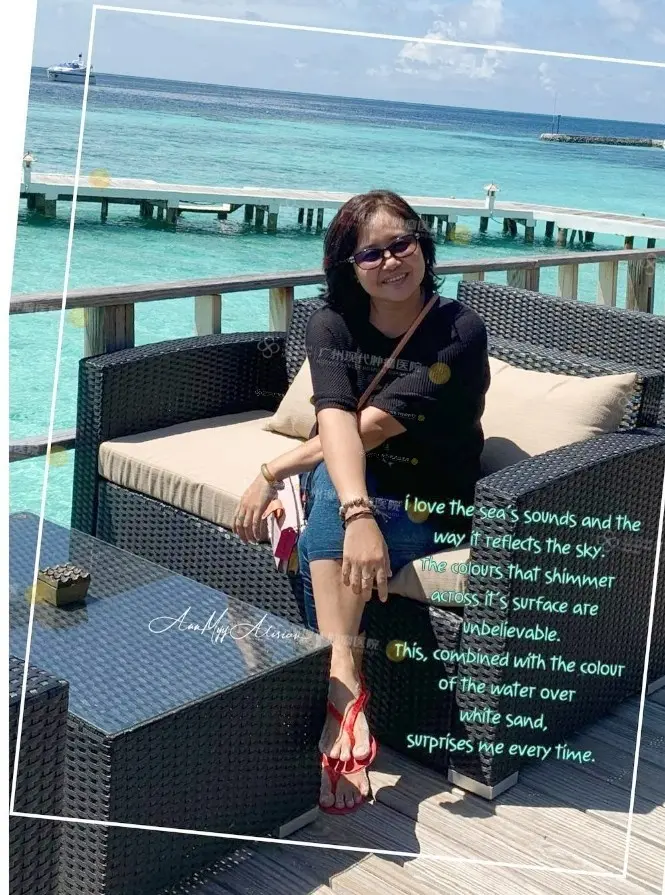
Noraini hails from Kuala Lumpur, Malaysia, and at 46 years old embodies the warmth and spontaneity characteristic of her heritage. With her expressive features, short brown hair, and infectious smile, those around her find themselves uplifted by her natural optimism and unwavering confidence. What many do not immediately see, however, is the extraordinary inner strength that has carried her through an extended battle against cancer, a struggle spanning two decades.

Today, following successful treatment at St. Stamford Modern Cancer Hospital Guangzhou, Noraini stands as a testament to the possibilities offered by modern medical approaches, having maintained excellent health for more than five years since completing her therapeutic regimen.
The Initial Diagnosis and Early Treatment Years
In 2003, Noraini discovered a lump within her left breast during a routine self-examination. Subsequent evaluation at a local Malaysian medical facility confirmed her fears: she had developed breast cancer. She proceeded to undergo extensive chemotherapy sessions, which successfully brought the disease process under control and relieved her symptoms. With apparent relief and restored peace of mind, Noraini resumed her professional commitments with enthusiasm, traveled internationally for leisure, and endeavored to live life to its fullest.
Yet the tranquility she enjoyed would prove temporary. Approximately thirteen years later, in December 2016, Noraini began experiencing discomfort originating from her right breast. Medical imaging and physical examination revealed a distinct mass measuring 2.5 by 2.0 by 2.1 centimeters. A diagnostic biopsy provided conclusive evidence: grade 2 invasive ductal carcinoma accompanied by regional lymph node involvement. Local physicians recommended proceeding with chemotherapy followed by surgical intervention, yet Noraini harbored reservations about the surgical approach and questioned whether it would deliver the lasting results she desired. This uncertainty prompted her to investigate alternative treatment possibilities beyond her home country.
The Search for Better Solutions
Singapore became the initial destination in Noraini’s quest for improved therapeutic options. “Throughout my time there, I completed eighteen separate chemotherapy sessions along with two courses of radioactive isotope therapy,” she recalled. “While these approaches did reduce the tumor burden, they never fully resolved my condition.” The experience left her discouraged and uncertain about what pathway forward might offer genuine hope.
During this challenging period, a physician suggested an alternative direction: “Perhaps it would be worthwhile to explore what modern Chinese medical technology has to offer.” This recommendation introduced Noraini to St. Stamford Modern Cancer Hospital Guangzhou and its minimally invasive therapeutic capabilities. The prospect ignited a spark of optimism within her.
Noraini conducted thorough research using online resources, examining the hospital’s credentials and technological capabilities. Upon learning of the institution’s accreditation by the American JCI (Joint Commission International), she resolved to pursue treatment in mainland China. As she would later reflect, “I arrived with a willingness to learn and explore; I understood the necessity of confronting these challenges with courage and determination.”
Advanced Treatment: Reconstruction and Minimally Invasive Approaches
When Noraini arrived at St. Stamford Modern Cancer Hospital Guangzhou in February 2019, her clinical status represented a significant deterioration from two years prior. Her right breast lesion had expanded, axillary lymph nodes had become more pronounced, and she was experiencing considerable pain extending into her upper arm. Initial assessment determined that her condition had advanced to stage IIIB with disseminated disease throughout her body.
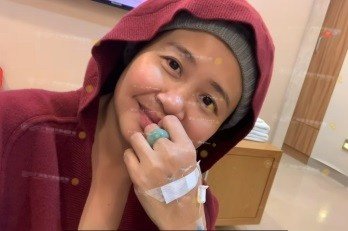
The multidisciplinary team developed a comprehensive therapeutic strategy centered on “right breast radical surgical removal combined with immediate reconstructive surgery.” The surgical protocol involved complete tumor extraction, thorough lymph node clearance to eliminate cancerous involvement, and simultaneous reconstructive procedures to restore normal breast anatomy.
The Reconstruction Process: Restoration of Form and Function
The underlying principle guiding breast reconstruction prioritizes “ensuring safety as the paramount concern, with aesthetic restoration as a complementary objective.” Once malignant tissue has been fully removed, surgical specialists tailor the approach to each individual’s unique anatomy and preferences, choosing between synthetic implant placement or utilization of the patient’s own tissue for restoration. The goal is to recreate a natural-appearing breast that allows patients to feel and appear like themselves once more.
Noraini found this possibility truly remarkable. “What impressed me most was the hospital’s capacity to address the tumor and perform reconstruction simultaneously. I found this approach revolutionary. The surgical team actually used my own body’s fat tissue to restore my breast contours—no silicone implants were necessary! The results feel completely natural and authentic.”
Following completion of her surgical procedures, Noraini experienced profound relief: the malignant tissue that had threatened her had been entirely eliminated, and her breast appearance returned to its normal state. To consolidate these initial successes and address any remaining microscopic disease, she underwent supplementary courses of interventional therapy, naturopathic medicine, and cryotherapy applications. By December 2019, she had concluded her active treatment phase and returned to Malaysia.
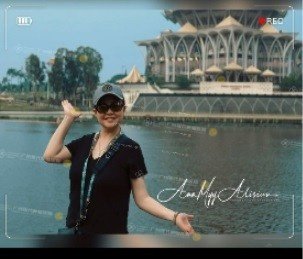
“In the period following treatment, my vitality increased remarkably. It would be impossible to adequately convey the extent of my transformation through words alone; anyone who has known me both before and after this experience can attest to the dramatic positive changes,” Noraini expressed with heartfelt gratitude.
Life Beyond Cancer: A Mission of Hope and Advocacy
Throughout the intervening years, Noraini has faithfully followed the guidance provided by her medical team, maintaining careful attention to nutrition and physical activity, and keeping pace with recommended monitoring appointments. The disease has shown no sign of recurrence. In her daily life, she demonstrates remarkable enthusiasm and energy, engaging in activities that bring her joy—attending films, participating in karaoke, and embarking on international travel adventures. Her experiences have cultivated within her a profound appreciation for life’s precious moments and the value of each day.
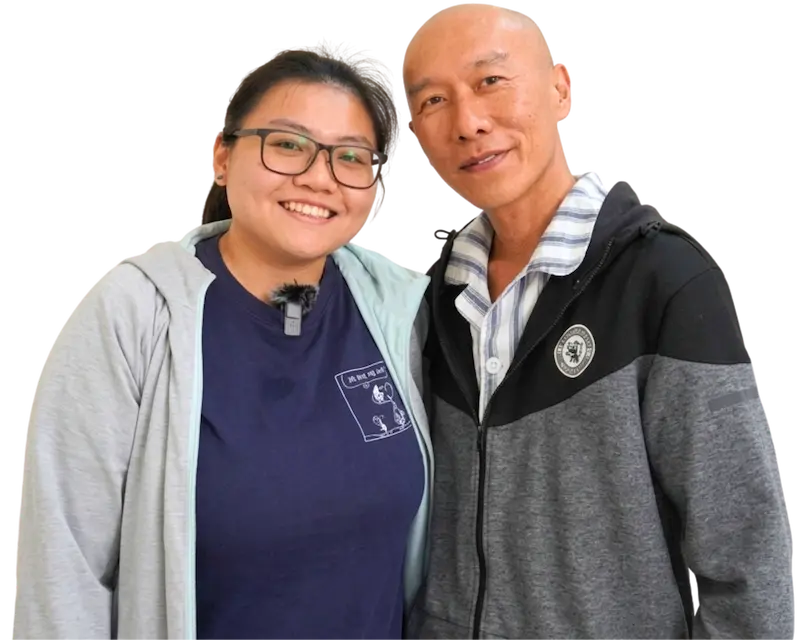
In January 2024, Noraini made an emotional return to St. Stamford Modern Cancer Hospital Guangzhou, visiting the facility that had restored her health. She reconnected with the dedicated medical professionals and staff members who had cared for her with such commitment. Her interactions with these caregivers were warm and genuine—she greeted them enthusiastically, exchanged embraces, participated in photos, and conveyed her deep affection for each of them.
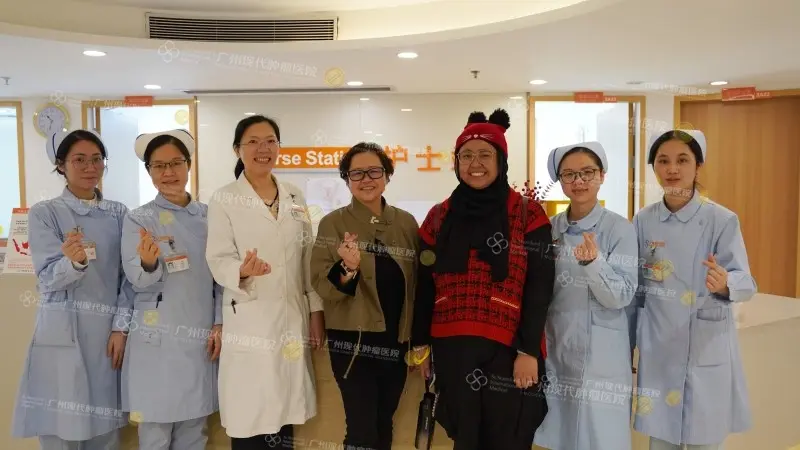
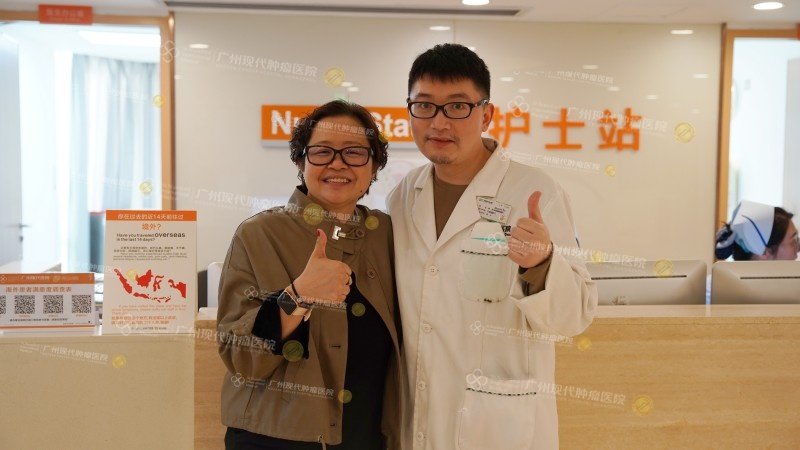
The nursing staff who had attended to her during her hospitalization was visibly moved upon seeing her. One staff member exclaimed with genuine delight, “The transformation in your appearance is remarkable—you have truly become even more beautiful since we last saw you!” Dr. Dai Wenyan, Director of the Breast Cancer Specialty Center, shared her professional perspective: “When Noraini initially presented to our facility, her health status was severely compromised. The courageous decision she made to undergo breast reconstruction is a source of tremendous professional satisfaction for our entire medical team. Witnessing her vibrant health and happiness now represents the fulfillment of what we strive to achieve in oncology.”
Gratitude and the Gift of Giving Back
Noraini’s expression of gratitude extended to every member of the hospital team, regardless of their position. “I wish to convey my sincere appreciation to all members of the healthcare staff—from attending physicians to nursing professionals to housekeeping personnel. Each individual demonstrates exceptional dedication, providing compassionate support and ensuring patient comfort and safety every single day.”
Beyond personal recovery, Noraini has discovered a profound purpose in what she describes as her “second life”: to communicate messages of love, courage, and hope to fellow cancer patients. She has become actively engaged in educational forums addressing cancer prevention and management, participating in awareness initiatives and discussion panels in both China and Malaysia. Through radio interviews and community presentations, she utilizes her personal narrative to provide encouragement and perspective to others facing similar diagnoses.
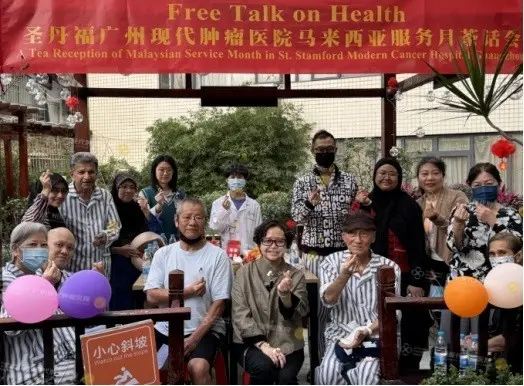
Her message to patients is straightforward yet profound: maintain an optimistic orientation toward life’s challenges. She emphasizes several critical elements: seek out evidence-based medical approaches, place your confidence in your healthcare providers’ expertise, and most fundamentally, surround yourself with affection, joy, and positive energy while refusing to abandon hope. As she articulates this philosophy, her conviction is unmistakable: “The diagnosis of cancer need not represent a terminal sentence. With proper medical intervention and psychological resilience, recovery and wellness are achievable goals.”