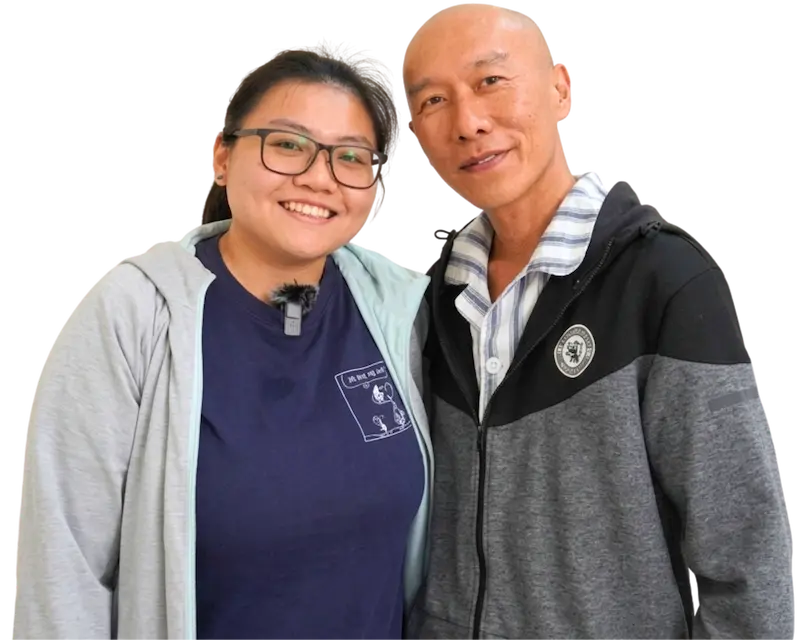


How Minimally Invasive Therapy Transformed a Businessman’s Battle Against Pancreatic Cancer
A Turning Point in an Unexpected Health Crisis
When a successful entrepreneur from Indonesia discovered that his upper abdomen had begun to ache severely, and his complexion took on a distinctly yellow hue, he knew something required immediate medical attention. The diagnosis that followed would set in motion a journey spanning multiple continents and multiple treatment attempts—a journey that would ultimately lead to a transformation in his health outlook.
Mulyadi Goutama was living a fulfilling life. At 57 years old, he maintained the discipline of abstaining from smoking and drinking. His leisure time was frequently devoted to a passion he and his wife shared: singing. Almost every week, the couple would visit karaoke venues with friends, enjoying performances and creating memories together. However, beginning in August 2013, illness interrupted this contented existence without warning.
Seeking Advanced Medical Solutions Abroad
Recognizing the limitations of Indonesia’s medical infrastructure, Mulyadi Goutama and his wife made the decision to pursue treatment in a foreign country. His wife later reflected on their reasoning: the hospitals in their home country lacked advanced therapies beyond conventional surgery and chemotherapy regimens. The mortality rates associated with surgical intervention concerned them greatly, particularly given that they had witnessed two family members die following unsuccessful treatment at local facilities.
Their first destination was Kuala Lumpur, Malaysia. Upon arrival, medical professionals at the Malaysian hospital conducted diagnostic tests and determined he had a well-differentiated adenocarcinoma arising from the pancreatic head. The recommended course of action was surgical removal.
The surgical procedure itself was extensive. Beginning at 7:00 in the morning and concluding at 5:00 in the afternoon, the operation lasted nearly ten hours. Once it concluded, the surgeons advised the couple to return home directly without pursuing post-operative chemotherapy, and they did exactly that. At the time, they believed their ordeal had ended.
Cancer Recurrence: Unexpected Complications
Their relief proved short-lived. In February 2014, just months after his surgery, Mulyadi Goutama experienced a return of severe abdominal pain. Alarmed, they went back to the Malaysian hospital for re-evaluation. What followed was a frustrating period of uncertainty.
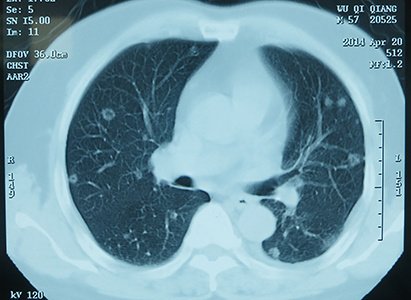
Initial examinations appeared to show normal results. However, his wife remained concerned and requested additional diagnostic imaging. Despite multiple rounds of testing and re-testing, the Malaysian hospital continued to report findings within normal limits. This contradicted what the couple intuitively felt was happening. It wasn’t until April 9, 2014—months after the initial recurrence of pain—that a different Kuala Lumpur facility provided the diagnosis everyone had begun to suspect: postoperative pancreatic cancer with metastatic involvement of the lungs.
The news was devastating, but what came next was equally discouraging. The hospital that had just delivered this diagnosis refused to provide ongoing care, citing that the couple were not local residents. With their son located in Europe anxiously monitoring their situation, and with no clear path to treatment in Kuala Lumpur, they faced a critical decision point. Time was slipping away, and the medical professionals they consulted expressed hopelessness regarding his prognosis.
A Breakthrough: Discovering Minimally Invasive Treatment Options
In their search for alternatives, Mulyadi Goutama’s sister-in-law came across information about a specialized cancer treatment facility while researching online. She recommended they investigate Modern Cancer Hospital Guangzhou. As Mulyadi Goutama’s condition continued to deteriorate, and with little to lose, the couple made an appointment at the hospital’s office in Kuala Lumpur.
The consultation proved pivotal. The physician explained that there were effective therapeutic approaches available beyond conventional surgery and chemotherapy. Specifically, the doctor introduced the concept of minimally invasive therapy—a fundamentally different approach to treating cancerous growths. He shared information about other patients who had undergone these treatments, before and after cases that demonstrated the potential for meaningful recovery. The doctor’s confident demeanor combined with the promise of advanced technology convinced Mulyadi Goutama to proceed with treatment at the Guangzhou facility.
On April 19, 2014, the couple arrived at Modern Cancer Hospital Guangzhou. His wife immediately remarked on the difference in the environment. “The medical team here did not waste our time. The level of care and attention we received was truly impressive, and their efficiency was remarkable,” she recounted later.
Comprehensive Treatment and Exceptional Results
Once admitted, Mulyadi Goutama underwent a thorough re-evaluation. Medical professionals confirmed the diagnosis of postoperative, well to moderately differentiated adenocarcinoma of the pancreatic head with metastatic disease affecting both lungs. A multidisciplinary team of specialists immediately developed a comprehensive treatment strategy tailored specifically to his condition.
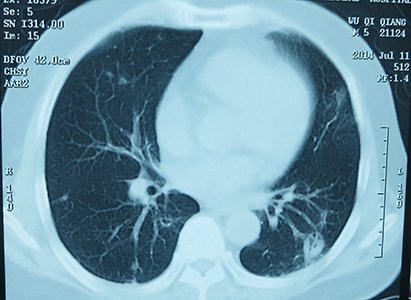
Over the following weeks, Mulyadi Goutama underwent five sessions of interventional therapy followed by a single cryotherapy session. The results exceeded expectations. His attending physician, Dr. Tang Xiang, documented that the tumor had shrunk by 80 percent. After the final planned intervention, he was cleared for discharge.
The patient himself noticed a dramatic difference in how his body responded to treatment. Compared to his surgical experience in Malaysia—a procedure that had left him with significant pain and a prolonged recovery—the minimally invasive approaches in Guangzhou proved remarkably comfortable. The day following each treatment session, he could walk normally. By the second interventional therapy session, his appetite and sleep had returned to normal. With each passing week, his energy improved further.
“I feel progressively better with each passing day,” Mulyadi Goutama shared with his care team. His son, monitoring events from his home in Europe, was initially skeptical when hearing that his father’s condition had improved so dramatically. The transformation seemed almost unbelievable given how dire the situation had appeared just weeks before.
Embracing Hope and Becoming an Ambassador for Recovery
Throughout his hospital stay, Mulyadi Goutama and his wife maintained a remarkable positive outlook. Both practiced Taoism and held strong beliefs about overcoming adversity through faith and perseverance. Rather than withdrawing during their treatment, they actively participated in the various recreational and social activities organized by Modern Cancer Hospital Guangzhou for patients—mountain excursions, leisure trips, and singing competitions among them.
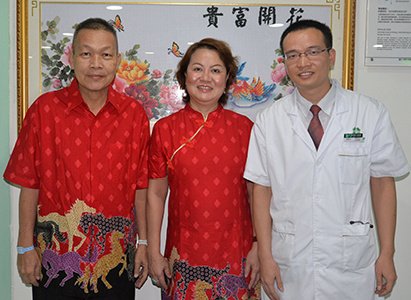
The couple’s distinctive presence became noted throughout the hospital. Frequently dressed in traditional Tang suits adorned with red horse patterns, they moved through the facility with evident joy, greeting others with genuine smiles. Their participation in the hospital’s open-microphone singing competition particularly impressed staff and fellow patients—when they performed the Chinese song “Teasing the Phoenix,” their rendering was so well-received that they won recognition as the best Indonesian participants of the event.
As their treatment neared completion and they prepared to return home, Mulyadi Goutama’s wife became an enthusiastic advocate for the hospital and its advanced techniques. She expressed a sincere desire to share information about the facility and its innovative anticancer methods with other cancer patients she knew. “I want to help others understand that this advanced treatment technology exists and can help them overcome cancer,” she explained to hospital staff. Her conviction stemmed directly from witnessing her husband’s transformation—from a patient facing a hopeless diagnosis in Malaysia to someone who had regained his health, his appetite, his mobility, and most importantly, his hope.