

Finding Hope Through Minimally Invasive Treatment for Lung Cancer
A Life Interrupted by Unexpected Diagnosis
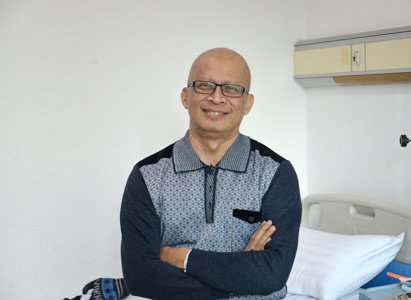
ELANG MOCHAMAD, a 53-year-old resident of Indonesia, once enjoyed a stable and fulfilling lifestyle. His days were filled with meaningful work, a supportive family, and consistent dedication to physical fitness. Every weekend brought opportunities for exercise, and his regular commute involved either cycling or walking. This commitment to wellness made him confident in his overall health, yet the reality of illness would soon challenge his entire perspective.
During a routine annual health examination, an unexpected discovery emerged: a mass was detected within his lungs. Subsequent diagnostic tests revealed the grim truth—the growth was malignant in nature. ELANG found himself facing a diagnosis of lung cancer, a condition he had never anticipated despite his active lifestyle.
Rejecting Surgical Solutions in Search of Alternatives
The emotional weight of his diagnosis was profound. ELANG experienced both confusion and profound sadness upon learning of his cancer. His colleagues were equally shocked, struggling to understand how someone with such a committed approach to health and fitness could develop this disease. The uncertainty left him questioning not only what had caused his condition, but also how to proceed with treatment.
Medical professionals in Indonesia presented a clear recommendation: surgical removal of the affected tissue. However, ELANG made a definitive choice to decline this intervention. His reasoning reflected a deeply held belief about human physiology—he understood the body as an interconnected system where all components work in harmony. In his view, removing a portion of his lung would compromise this biological integration, undermining his capacity to achieve genuine wellness, regardless of whether the cancer was eliminated.
This principled stance set him on a different path. ELANG began researching alternative therapeutic approaches, determined to find a treatment methodology that aligned with his philosophical perspective on healing while still addressing his malignancy effectively.
Discovering a Path Forward in Minimally Invasive Care
Through his online research, ELANG discovered Modern Cancer Hospital Guangzhou. Among the numerous medical facilities he encountered in his search, this institution stood out distinctly. What captured his attention was not only the hospital’s reputation for reliability and track record of successful patient outcomes, but also its specialization in minimally invasive therapeutic approaches.
These advanced techniques offered something that aligned perfectly with his concerns: they could target his cancer while preserving the structural and functional integrity of his body. Unlike conventional surgery, minimally invasive methods involved minimal tissue trauma, reduced unwanted side effects, and eliminated the need for extensive surgical resection. After thoroughly investigating the hospital’s methodologies and treatment philosophy, ELANG made the pivotal decision to pursue his cancer care in China at this facility.
Beginning Treatment and Rapid Clinical Progress
Upon arrival at the hospital, ELANG underwent comprehensive diagnostic procedures, including cryotherapy-assisted biopsy. These evaluations confirmed the severity of his situation: Stage II lung cancer with cancer cell involvement in his regional lymph nodes. Understanding the complexity of his presentation, the hospital’s multidisciplinary team formulated a customized treatment protocol tailored specifically to his clinical circumstances.
The therapeutic strategy incorporated three main components: interventional therapy, cryotherapy, and natural therapy administered in coordinated phases. The results surprised even ELANG himself. Following his initial treatment session, laboratory testing revealed a dramatic improvement—his tumor marker value had descended to 1.8. Progress continued after his second therapeutic cycle, with the marker dropping further to 0.7. Most significantly, the cancer cells that had invaded his lymph nodes had completely disappeared. To forestall any potential disease recurrence or spread, ELANG underwent additional rounds of both interventional therapy and cryotherapy.
The Patient Experience and Quality of Care
When reflecting on his experience with these minimally invasive procedures, ELANG expressed remarkable composure and absence of anxiety. He attributed this calm demeanor to the thorough preparatory education he received. The medical team had meticulously explained every step of his treatment process, enabling him to approach each procedure with full understanding and confidence. This comprehensive approach to patient education fostered deep trust between ELANG and the care team, reinforcing his conviction that he was receiving the highest standard of treatment.
ELANG’s impressions of the facility extended beyond clinical competence. He observed that the hospital environment bore more resemblance to a luxury hotel than a traditional medical institution. The atmosphere encouraged patients to engage in recreational activities and social engagement rather than remaining confined to medical settings. The organization regularly facilitated group activities designed to lift patient spirits and facilitate mental distraction from their conditions—elements that research confirms can substantially enhance treatment effectiveness and overall outcomes.
Transformation of Hope and Perspective
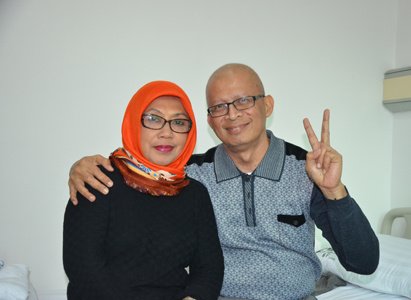
Before his diagnosis and subsequent treatment, ELANG held a conventional and deeply pessimistic view of cancer—he believed it represented an inevitably terminal condition with no viable cure. His experience at Modern Cancer Hospital Guangzhou fundamentally transformed this perspective, replacing hopelessness with genuine optimism. Today, ELANG reflects on his journey with profound gratitude, acknowledging both divine providence in directing him toward appropriate care and the institutional excellence that provided him with renewed life prospects.
The conclusion to his treatment journey demonstrates the potential of modern medical innovation. His tumor has substantially reduced in size, and he has successfully reintegrated into his normal routine of daily living. His disease remains well-controlled, allowing him to experience the quality of life he once feared he had lost forever.