

A 77-Year-Old’s Journey to Overcome Advanced Colorectal Cancer
Finding Hope Through the Right Treatment Choice
When METI BASUKI, a 77-year-old resident of Jakarta, Indonesia, reflects on her battle with cancer, she credits her survival and recovery to one critical decision: selecting the correct medical facility and treatment approach. Her journey began in December 2014 when an unusual elevation in her carcinoembryonic antigen (CEA) level was discovered during a routine physical examination in Singapore. Initially, physicians misidentified her condition as right lung cancer. However, her family declined the local doctors’ recommendations for surgical intervention and chemotherapy, partly due to her age.
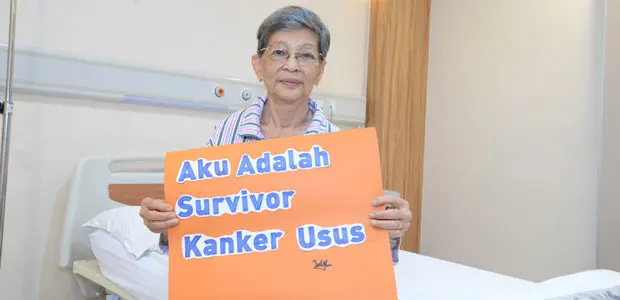
Despite the challenging diagnosis, METI maintained an exceptionally positive outlook. The turning point came when she learned about a friend’s husband who had successfully undergone treatment at a specialized cancer care facility and returned to a normal, healthy life. This testimony convinced her that cancer was not an inevitable death sentence. She made the decisive choice to seek treatment at St. Stamford Modern Cancer Hospital Guangzhou, trusting that this institution would offer her the best opportunity for recovery.
Diagnosis and Comprehensive Assessment
On January 9, 2015, METI arrived at the hospital with her family members. Advanced imaging including PET/CT scanning revealed that her condition was more serious than initially believed. She was definitively diagnosed with low-differentiated sigmoid colon cancer at stage IV, with cancer cells that had already spread to both her liver and lungs. This represented an advanced form of the disease with significant metastatic involvement.
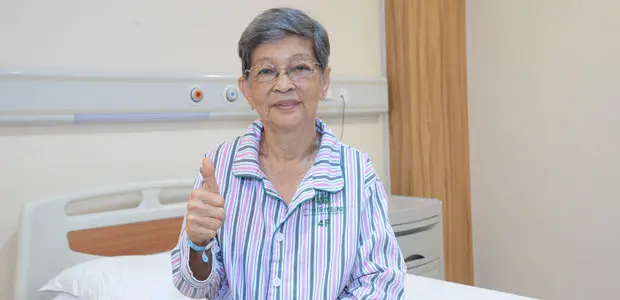
The hospital’s multidisciplinary medical team conducted a thorough evaluation of METI’s condition. Given her age of 75 at the time of admission and the presence of metastases in multiple organs, the team determined that conventional approaches such as surgery, chemotherapy, and radiotherapy would likely produce minimal therapeutic benefit while subjecting her body to severe harmful effects. Instead, they designed a customized treatment strategy that prioritized both efficacy and quality of life.
Personalized Minimally Invasive Treatment Plan
The medical team, led by attending physician Dr. Lin Jing, developed a comprehensive treatment protocol that combined several advanced, minimally invasive techniques. This integrated approach included interventional therapy to directly target tumors, cryotherapy to freeze cancer cells, photodynamic therapy to activate anti-cancer agents through light exposure, and natural therapy to strengthen her immune system and overall resilience. The primary objectives were threefold: to avoid the significant toxicity and side effects associated with traditional cancer therapies, to enhance her body’s natural defenses against disease, and to maintain and improve her quality of life while achieving sustained therapeutic outcomes.
Remarkable Response to Treatment
By March 2015, just a few months into her treatment regimen, METI had completed one session of cryotherapy and two sessions of interventional therapy. The results were striking. Follow-up CT imaging demonstrated that the cancer metastases had completely resolved, and the original tumor in her colon had shrunk substantially. Her overall physical condition showed marked improvement compared to her state at admission.
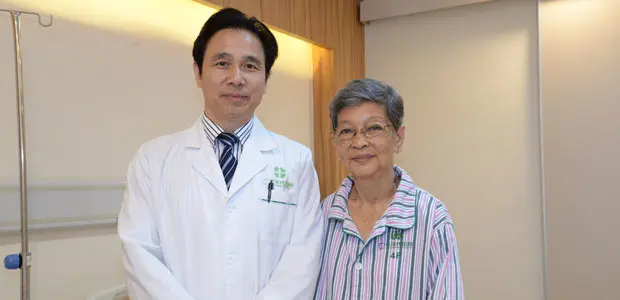
METI observed that friends and family members frequently commented on how much healthier and more vibrant she appeared after each treatment session. This visible transformation reinforced her confidence in the treatment process and her belief that her disease was manageable and could be overcome. The psychological impact was as significant as the physical improvements—she no longer viewed her cancer diagnosis as a death sentence but rather as a challenge that could be conquered with proper medical support.
Long-Term Success and Continued Stability
Two years later, in March 2017, METI returned to the hospital for a comprehensive follow-up evaluation. The news was excellent: her medical condition remained completely stable with no evidence of disease recurrence or progression. She continues to live her life much like any other person, free from the burden and limitations that advanced cancer often imposes.
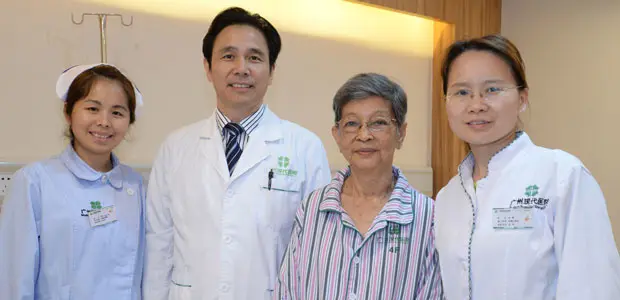
Sharing Wisdom and Encouraging Others
Having experienced firsthand the emotional and physical struggles that accompany an advanced cancer diagnosis, METI became an advocate for other cancer patients during her time at the hospital. She frequently shared her treatment journey and insights with fellow patients and their families. Her central message was clear and powerful: rather than spending precious time and emotional energy researching and comparing different medical institutions, patients should entrust themselves to a reputable and capable hospital where they can receive coordinated, evidence-based care.
METI emphasizes that success requires three essential elements: selecting a trustworthy medical facility, maintaining a consistently positive attitude, and faithfully adhering to the treatment plan and medical advice provided by the healthcare team. She also advocates strongly for emotional support and community, noting that even though she was far from her home country during treatment, she never felt isolated or unsupported. She warmly invites other patients battling cancer to join her and others at the medical facility, where they can collectively confront their disease and support one another through the healing process.
Nutritional Guidance for Cancer Patients
Based on her personal experience, METI offers dietary recommendations for other patients undergoing cancer treatment. She stresses the importance of adopting disciplined eating habits and adhering to a carefully controlled diet throughout the treatment phase. Specifically, patients should eliminate or significantly reduce consumption of spicy foods, fried items, and foods high in fat and grease. These types of foods can interfere with the body’s recovery process and may compromise the benefits of medical treatment. Conversely, a clean, balanced diet that supports the body’s healing mechanisms can substantially enhance outcomes and promote faster recuperation.