

Six Years Free: A Journey Through Breast Cancer Survival
A Chance Discovery That Changed Everything
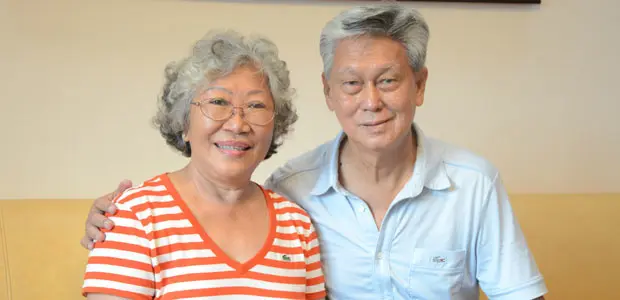
In November 2011, Indahwati Iwan, a 71-year-old woman from Surabaya, Indonesia, was attending the Canton Fair when she developed sudden digestive distress. What began as a routine health screening to address these gastrointestinal symptoms would soon reveal far more serious concerns. During the medical examination, physicians discovered an unexpected finding: a mass roughly 1.5 centimeters in diameter within her right breast tissue.
Further diagnostic testing confirmed the worst fears—the lesion was malignant. The medical team formally diagnosed Indahwati with infiltrative right breast ductal carcinoma at stage two. While the news delivered a significant emotional shock, she recognized that panic would not serve her recovery. Instead, she chose to focus her energy on understanding her condition and exploring treatment options that could offer the best chance of successful outcomes.
Treatment Decision and Surgical Intervention
Working collaboratively with the hospital’s Multidisciplinary Team, Indahwati and her medical providers carefully developed a comprehensive treatment strategy tailored specifically to her medical situation and personal circumstances. Just five days after her diagnosis was confirmed, on November 9, 2011, she underwent surgical removal of her breast tissue. The procedure, known as radical mastectomy, would serve as the foundation of her treatment approach.
Following her recovery from surgery, Indahwati proceeded with an additional therapeutic intervention designed to reinforce the surgical approach. Over the following months, she completed four separate sessions of interventional therapy—a sophisticated cancer treatment technique that works quite differently from traditional chemotherapy and radiotherapy protocols.
Understanding Interventional Therapy Benefits
Interventional therapy offered several distinct advantages over conventional treatment approaches. Her attending physician explained the key benefits:
- Eliminates the dangers associated with general anesthesia, relying instead on targeted local anesthesia to the treatment site
- Delivers concentrated doses of anti-cancer medication precisely to the tumor location, maximizing therapeutic impact while reducing systemic exposure
- Produces significantly fewer adverse reactions compared to traditional chemotherapy or radiation methods
- Demonstrates superior long-term effectiveness and improved survival outcomes based on clinical evidence
The combination of surgical intervention paired with this advanced minimally invasive technique proved remarkably effective. Indahwati completed her entire treatment regimen in just three months—a remarkable achievement that reflected both the efficacy of her chosen approach and her own determination to move forward.
Remarkable Recovery and Return to Living
Upon discharge from the hospital, the medical team reviewed Indahwati’s post-treatment imaging results with considerable optimism. Her discharge documentation stated: “No abnormal hyper-metabolism lesions detected in tumor sites and other areas.” In practical terms, this meant her cancer had responded exceptionally well to treatment and appeared to be effectively controlled.
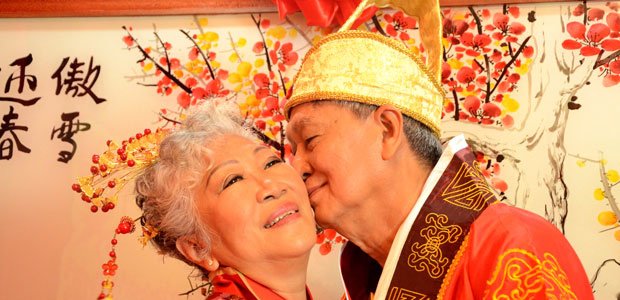
The medical team established a follow-up schedule: quarterly check-ups initially, transitioning to annual monitoring once her condition had stabilized over time. With treatment complete and her malignancy under control, Indahwati and her husband embarked on the travels and adventures they had long deferred. They journeyed through Inner Mongolia and the Xinjiang region, visiting destinations that had captured their imagination. Throughout these travels, not a single person ever suspected that this active, vibrant woman had recently battled a life-threatening disease.
Ongoing Monitoring and Immune Enhancement Therapy
Though her cancer had been controlled, Indahwati remained committed to her long-term wellness strategy. She established a routine of regular return visits to the hospital approximately every twelve months for thorough medical review and assessment. During these appointments, she received consolidation and natural immune-support therapies—specialized treatments designed to strengthen her body’s own anti-tumor defenses and reinforce the immune system’s ability to identify and eliminate any residual malignant cells.
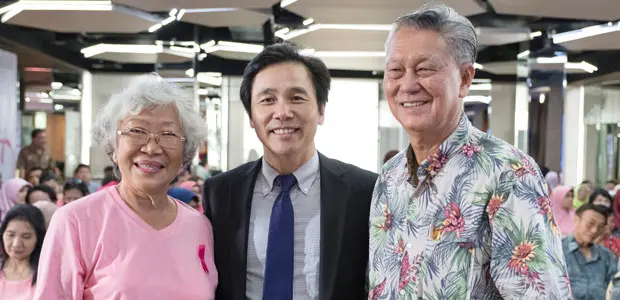
This proactive approach to maintenance therapy represented an important recognition that cancer treatment extends beyond eliminating visible disease—it encompasses supporting the body’s own protective mechanisms to prevent recurrence and maintain lasting health.
A Legacy of Hope and Inspiration
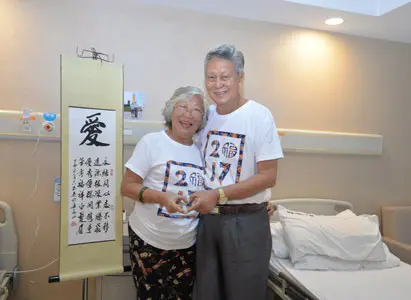
By August 2017, six full years had elapsed since her initial diagnosis. Throughout this extended period, Indahwati’s cancer had never returned. Her energy levels remained robust, and her overall sense of wellness continued to improve. She became a powerful symbol of hope and resilience within her community and throughout Southeast Asia.
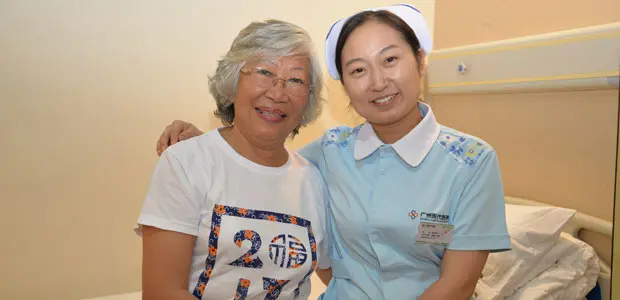
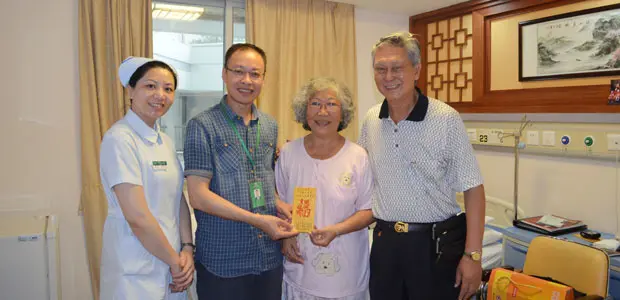
Indahwati’s transformation from cancer patient to cancer survivor to active advocate reflects a profound personal journey. She has been honored with multiple recognitions, including designations as an “Anti-cancer Warrior” and “Anti-cancer Ambassador.” In October 2015, she received the prestigious title of “Annual Anticancer Warrior” at the hospital’s tenth-anniversary celebration. These accolades represent not merely personal achievement but rather a public acknowledgment of the inspiration her example provides to others facing similar health challenges.
Her willingness to openly share her experience at international medical conferences and community events has offered encouragement and practical perspective to countless cancer patients and their families throughout Indonesia and across the Southeast Asian region. When speaking about her experience, Indahwati emphasizes that successful cancer management depends on three critical elements: maintaining an optimistic mental attitude, selecting treatment approaches supported by solid medical evidence, and committing fully to the prescribed therapeutic plan.
A Message of Encouragement
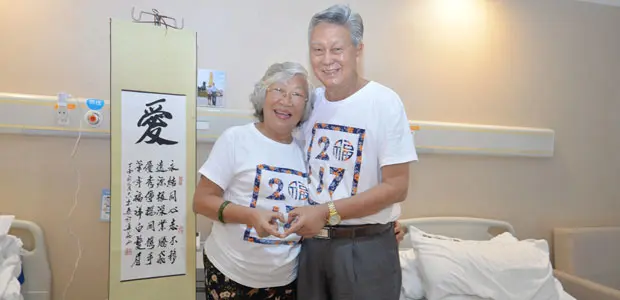
Indahwati’s story stands as a testament to an important truth: a cancer diagnosis does not equal a death sentence. When facing this formidable health challenge, despair and resignation are not inevitable responses. Instead, as Indahwati’s example demonstrates, patients can approach their disease with courage, access evidence-based treatment, and move forward into meaningful recovery. Through navigating the difficulties with determination and hope, individuals can reclaim their lives and inspire others to do the same.
Her six years of sustained wellness after successful treatment offer tangible evidence that modern medical advances, combined with patient commitment and family support, can deliver genuinely transformative outcomes in breast cancer management.