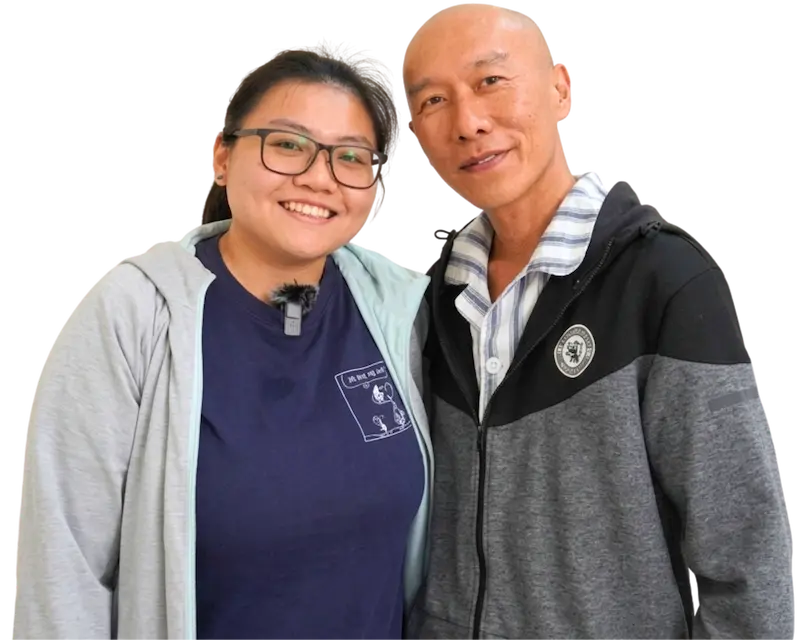


At 81, Grandfather Sun Overcomes Stubborn Lung Tumor with Combined Knife
It was almost time for the morning ward rounds, yet Mr. Sun was already up and strolling calmly along the hospital corridor at St.Stamford Modern Cancer Hospital Guangzhou. Watching him walk with such ease, no one would have guessed that this elderly gentleman had undergone minimally invasive Combined Knife treatment for lung cancer just one day earlier.
An Unexpected Diagnosis Late in Life
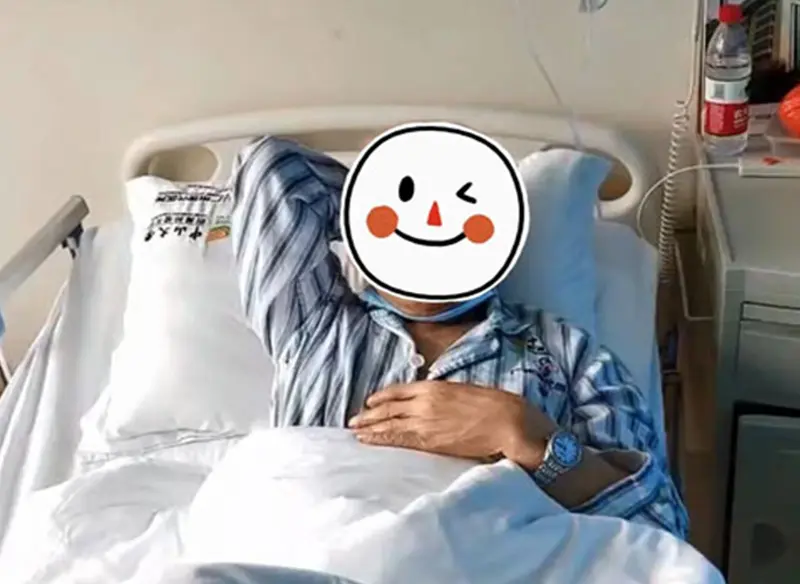
Mr. Sun, an 81-year-old Cantonese native residing in Haizhu District, Guangzhou, had spent his retirement years enjoying quiet time at home surrounded by his grandchildren. That peaceful routine was interrupted in November 2021, when a routine medical check-up at a local hospital revealed small-cell lung cancer in his right lung. The diagnosis left his entire family stunned, prompting his son and daughter to rush home immediately in search of the right hospital and treatment approach for their father.
Choosing a Gentler Path: Chemotherapy Over Surgery
Given his advanced age, Mr. Sun’s children were hesitant to pursue aggressive surgical intervention, opting instead for chemotherapy. Determined not to become a burden to his family, Mr. Sun faced the ordeal with quiet resilience, enduring the discomfort of five rounds of chemotherapy with a positive outlook.
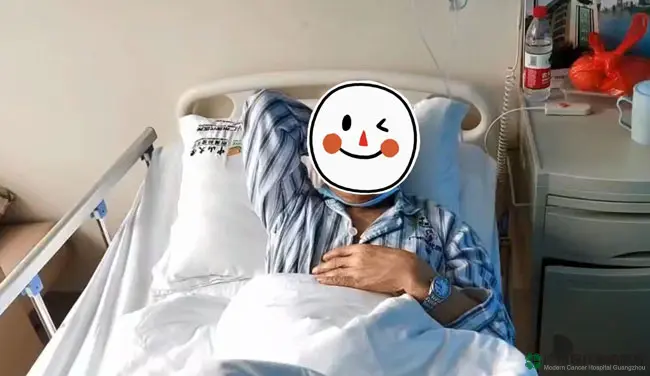
While the chemotherapy did shrink the tumor in the wall of his right chest cavity, it failed to eliminate it entirely — a mass measuring 4cm by 1.8cm remained. His treating physician recommended combined radiotherapy to address the persistent growth, but Mr. Sun and his family declined. Having heard about St.Stamford Modern Cancer Hospital through a personal recommendation, they carefully weighed their options and ultimately chose to pursue minimally invasive therapy instead.
A Carefully Planned Minimally Invasive Procedure
Mr. Sun’s case presented several challenges: he was over 80 years old, managing pre-existing hypertension, and still carrying a 4cm by 1.8cm tumor mass despite completing chemotherapy. After thorough evaluation, the multidisciplinary team led by Prof. Dai Wenyan, Director of the hospital’s Oncology Department, concluded that Combined Knife treatment offered the most suitable option for his condition.
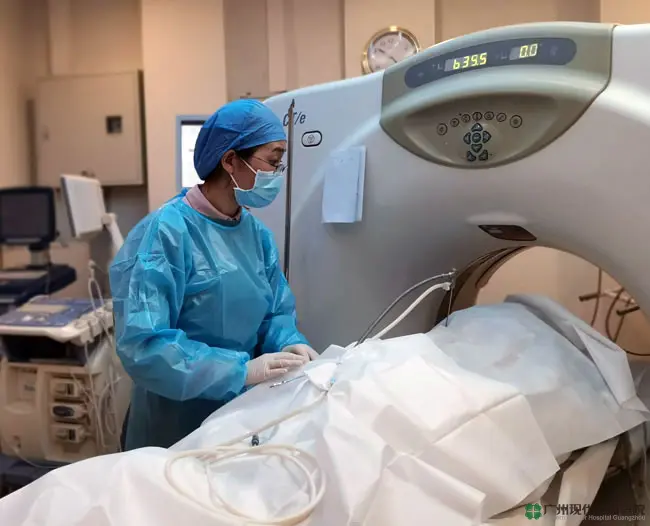
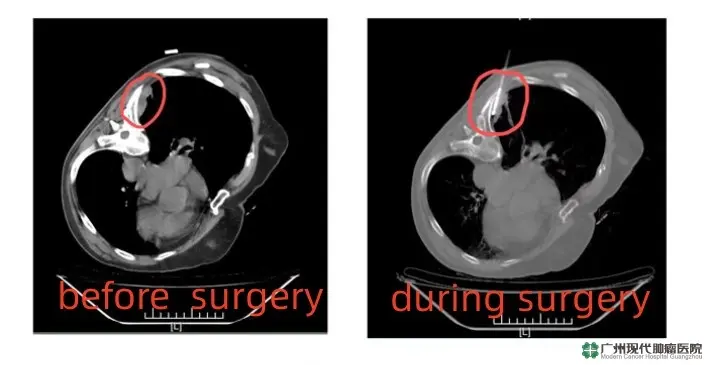
On March 30, Prof. Dai performed the Combined Knife ablation procedure. Guided by real-time CT imaging, the ablation probe was carefully guided into the tumor site. Across two cycles alternating between an extreme low of -196°C and a high of 80°C, the tumor within the thoracic wall was successfully destroyed.
Managing the Risks of an Elderly, High-Risk Case
Prof. Dai acknowledged the complexity of the case: “This procedure carried significant risk given the patient’s age, and the fact that the tumor had already spread into the pleura raised concerns about complications such as pain or air leakage into the chest cavity.”
She explained that extensive pre-operative planning allowed the surgical team to carry out the procedure smoothly. Mr. Sun experienced no pain throughout the operation, blood loss was minimal at approximately 10ml, and no aerothorax occurred either during or after the surgery.
A Swift and Comfortable Recovery
Following the procedure, Mr. Sun noticed an immediate improvement in his breathing. “Everything went smoothly that day,” he shared with a smile during his ward round. “I barely cough anymore, my appetite and sleep have both returned to normal, and I like to take a short walk down the corridor whenever I have free time. I should be able to go home in another two days!”
Expanding Treatment Options for Elderly Cancer Patients
Many cancer patients are unable to tolerate conventional surgery or combined chemoradiotherapy due to their physical condition. For these individuals, minimally invasive treatment opens up new possibilities and restores hope — Mr. Sun’s case reflects exactly this kind of opportunity for elderly patients.
Combined Knife represents the newest generation of cryotherapy technology, suitable for treating more than 80% of solid tumors. Its flexibility allows it to be used as a standalone treatment or in combination with surgery or chemoradiotherapy. Recent research also suggests that Combined Knife treatment can stimulate the production of new antigens within the body, which may strengthen the effectiveness of immunotherapy — opening the door to combining Combined Knife with immune-based treatments for even greater therapeutic potential in the future.