

Losing Three-Quarters of His Stomach in Vietnam, He Found a Second Life Through Minimally Invasive Treatment
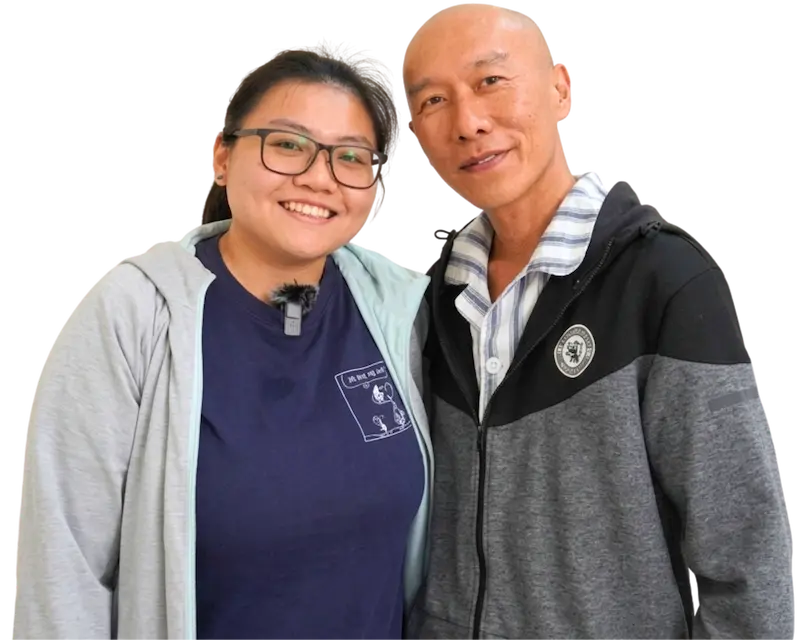
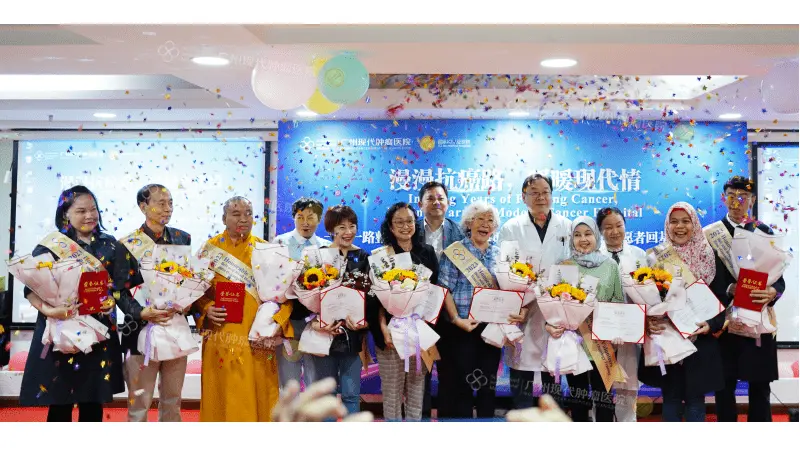
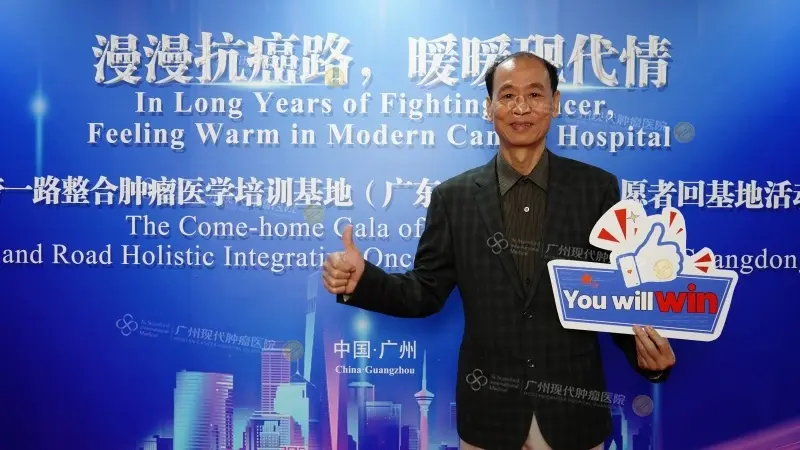
When Nguyen Thanh Tung walked into the “2023 Anti-Cancer Star Volunteer Back to Base” event hosted by St. Stamford Modern Cancer Hospital Guangzhou, few people guessed his real age. Standing tall in a tailored suit, with a calm expression and a lean frame, the 66-year-old looked more like a man in the prime of his career than someone who had spent years fighting stomach cancer. Yet behind that composed appearance lay a long and painful struggle — one that ended, against difficult odds, in recovery.
A Stomach Cancer Diagnosis That Turned His World Upside Down
Nguyen, himself a doctor, had always kept a disciplined lifestyle and diet. After retiring, he looked forward to a slower, quieter chapter of life. That plan was interrupted in November 2016, when he began noticing bloating and discomfort in his upper abdomen, particularly after eating.
“At first I assumed it was ordinary indigestion or gastritis, so I didn’t think much of it — I just took some stomach medication to ease the discomfort. But the symptoms never really went away,” he recalled.
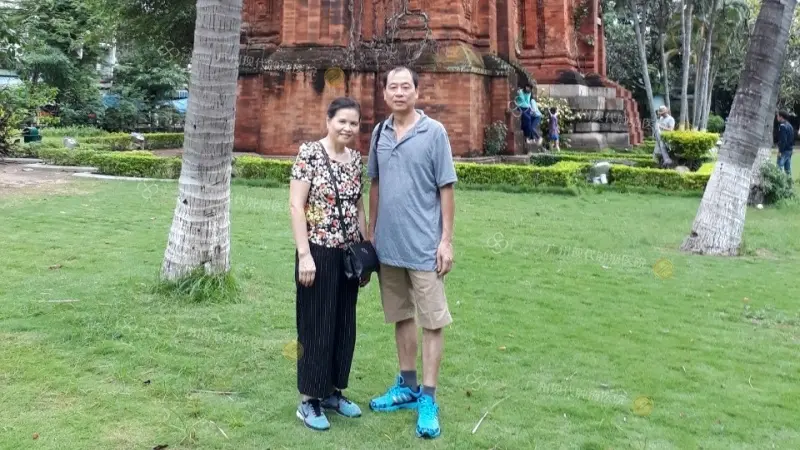
By March 2017, a gastroscopy performed at a hospital in Hanoi delivered devastating news: he had stage III stomach cancer that had already spread to nearby lymph nodes. Doctors recommended immediate gastrectomy. Despite his fear of the surgical risks, he found the courage to go under the knife just ten days after diagnosis.
The operation removed three-quarters of his stomach, leaving a roughly 10-centimeter scar and a body weakened by both surgery and the chemotherapy that followed. Persistent nausea, vomiting, poor appetite, and fatigue took a heavy toll. Within three months after surgery, he lost dozens of pounds, becoming so frail that his family described him as “thin as paper.” As a physician himself, he understood that his depleted body might not be able to endure continued conventional chemotherapy — a realization that pushed his family to search for alternative options. That search led them to St. Stamford Modern Cancer Hospital Guangzhou, known for its minimally invasive cancer treatment approach and its branch office in Hanoi.
Interventional Therapy Offers a Gentler Path to Recovery
At the Hanoi office, Nguyen and his family met with Prof. Le Van Cao, who reviewed his medical history and outlined a set of treatment recommendations, encouraging him to face the disease with courage. After discussing the option of traveling to China for treatment, the family agreed that a minimally invasive approach suited his weakened condition better than further conventional chemotherapy. Knowing that Vietnamese-speaking interpreters were available at the hospital also eased their concerns about the language barrier.
In July 2017, with support from the Hanoi office, Nguyen arrived at St. Stamford Modern Cancer Hospital Guangzhou. The hospital’s multidisciplinary team (MDT) designed an interventional therapy plan tailored to his case.
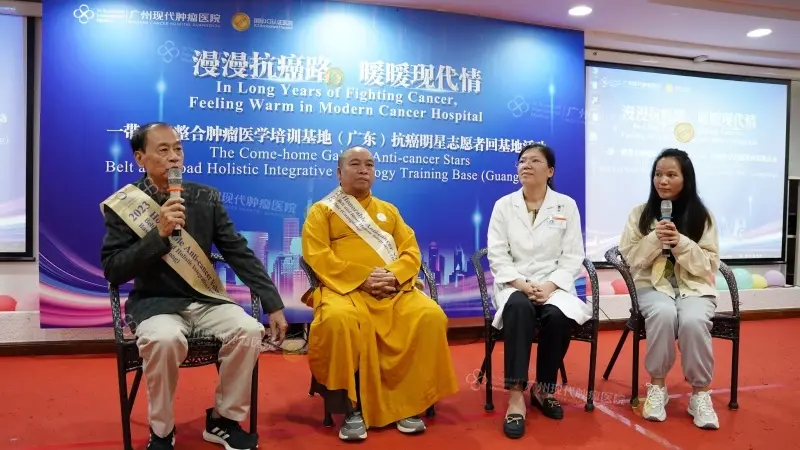
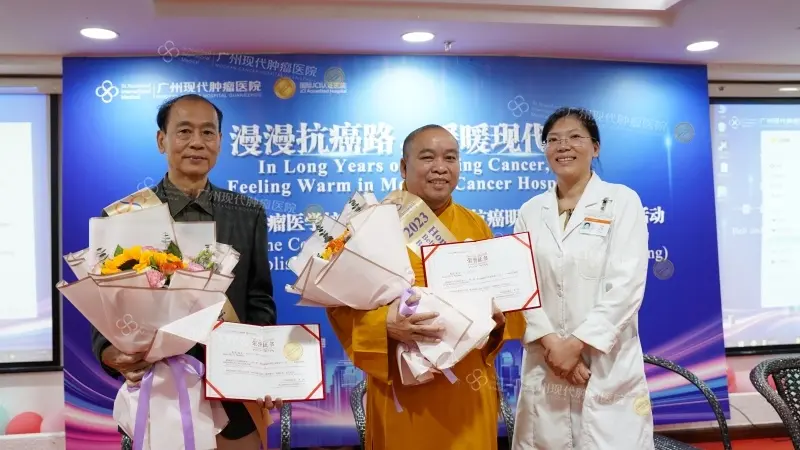
“I honestly didn’t know what interventional therapy involved at first — it isn’t a technique available in Vietnamese hospitals, so I was both curious and a little nervous. But the interpreters stayed by my side throughout the procedure, translating everything the doctors said, which put my mind at ease,” he remembered.
Interventional therapy involves creating only a 1–2 mm incision, through which a specialized catheter or guidewire is guided directly to the tumor site. The technique delivers anti-tumor drugs at a local concentration 2 to 8 times higher than standard intravenous chemotherapy, while simultaneously blocking the blood vessels feeding the tumor — effectively cutting off its nutrient supply.
“After the intervention, I felt the results were excellent. It wasn’t nearly as draining as traditional chemotherapy — side effects like vomiting were rare, and even when they occurred, they only lasted a day or two. I was genuinely relieved; it confirmed that I had chosen the right treatment for my condition,” Nguyen said.
According to his attending physician, Director Ma, Nguyen underwent five rounds of interventional treatment at the hospital. Follow-up examinations confirmed that his tumor remained under control and his condition had stabilized. His family observed steady improvement with each session — his appetite returned, his eating habits normalized, and his weight gradually climbed back up.
Staff at the Hanoi office also noticed the transformation. When Nguyen first visited to inquire about overseas treatment, he was frail and could barely walk without trembling. By the time his treatment was complete, he appeared like an entirely different, healthy person.
A Renewed Life, Nearly Seven Years Later
Today, almost seven years since his diagnosis, Nguyen Thanh Tung has successfully overcome cancer and continues to enjoy a peaceful, fulfilling life alongside his family. Reflecting on his journey, he expresses deep gratitude toward the hospital’s medical team.
“I’m truly thankful to the hospital’s MDT and nursing staff — Director Ma and Director Peng in particular — for the dedicated clinical care and the guidance they gave me on diet and exercise. It’s thanks to them and the hospital’s advanced minimally invasive technology that I’ve recovered so well,” he said sincerely.
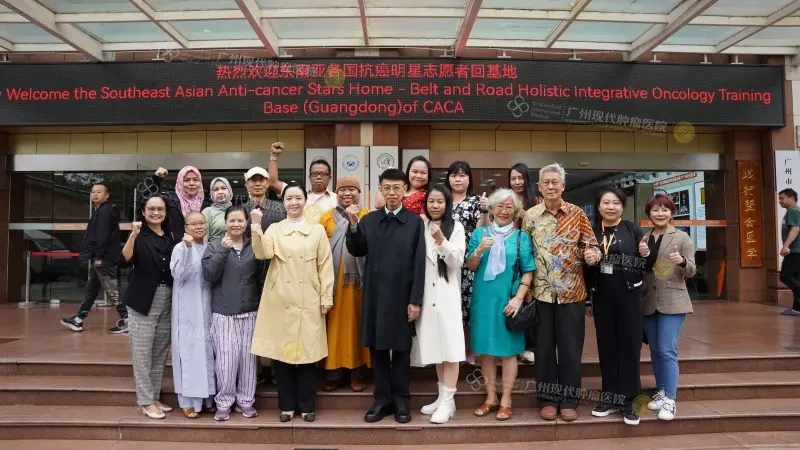
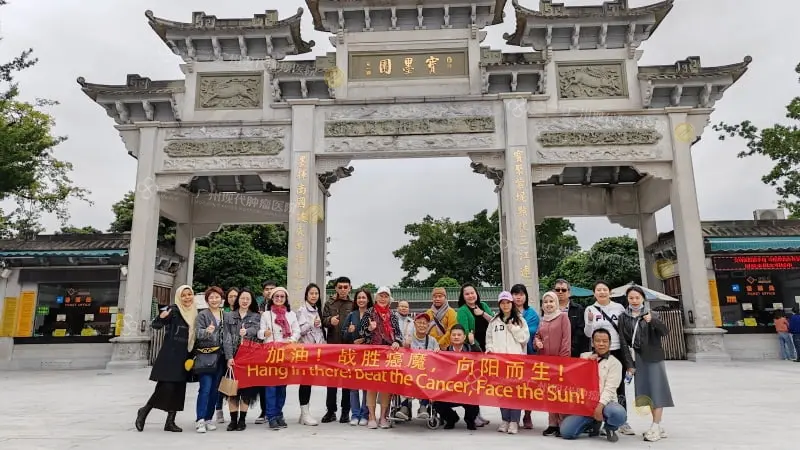
Following the event, Nguyen joined fellow cancer survivors on a memorable trip through Guangzhou, strolling along the Pearl River and exploring the Lingnan-style architecture of Bao Mo Garden under the warm autumn sun. The experience, he said, reminded him of the simple beauty of everyday life.
He credits part of his recovery to early detection and timely treatment, but believes that inner courage and persistence matter just as much. His message to fellow patients is simple: “If you have a tumor, don’t be afraid — think of it as a chronic condition that simply requires a longer treatment journey. Let’s face it together, and believe that we can overcome cancer.”
About Interventional Therapy
Interventional therapy is performed under the guidance of medical imaging equipment, using precision guidewires and catheters to deliver anti-tumor drugs directly into the tumor at concentrations 2 to 8 times higher than intravenous chemotherapy. At the same time, the procedure blocks the tumor’s blood supply arteries, aiming to shrink or eliminate the tumor entirely.
- Minimal trauma, fewer complications, high safety, and faster recovery compared to open surgery
- Suitable for patients who respond poorly to conventional radiotherapy, or who are unwilling or medically unsuitable for surgery